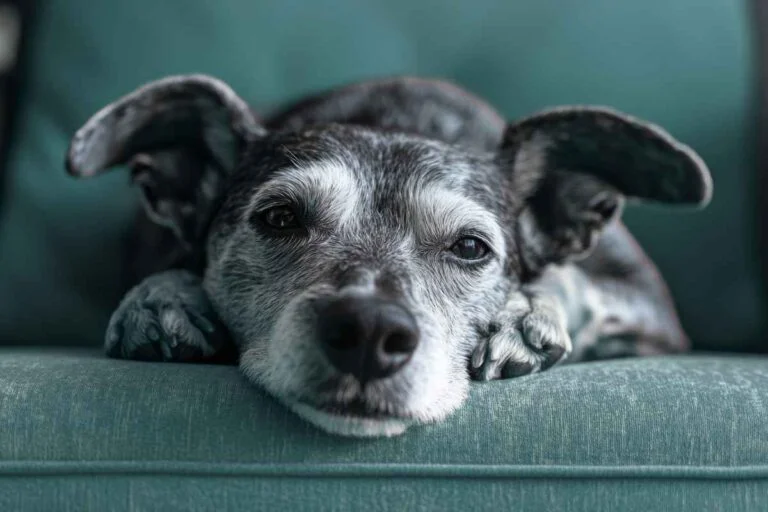
Seeing an elderly dog losing weight can worry any guardian. Sometimes this weight loss is just a natural sign of ageing. But in other situations, it may indicate that there is a more serious health problem going on.
It is therefore essential to take your dog to the vet if you notice unusual weight loss so that the professional can indicate the cause and possible treatments.
We'll explain the main causes of weight loss in elderly dogs, what diseases may be behind this condition and when it's time to seek veterinary help.
Is it normal for elderly dogs to lose weight?
Yes, a slight and gradual loss of weight can be considered normal in aging, especially due to the natural reduction in muscle mass.
What is not normal is rapid, marked weight loss or weight loss accompanied by other symptoms such as apathy, vomiting, diarrhea, excessive thirst or hair loss.
When should I worry?
See a vet if you notice that your dog:
- She suddenly lost weight.
- He's eating less or refusing food.
- Other symptoms (vomiting, diarrhea, increased thirst or urination).
- She lost excess hair along with her weight.
The sooner the diagnosis is made, the better the chances of treating the cause correctly and guaranteeing the pet a better quality of life.
Why do old dogs lose weight?
With age, a dog's body goes through various changes. There is often a loss of muscle mass and changes in metabolism, which can lead to a slight reduction in weight.
- In addition, older dogs may have it:
- Chronic diseases.
- Difficulty absorbing nutrients in the same way as before, due to some problem.
- Changes in taste or appetite, causing them to eat less.
- Dental problems, which make chewing difficult and reduce food intake.
- Hormonal changes, which affect weight and energy.
- Cancer
- Oral and/or dental diseases
- Stress due to a change.
- Anxiety due to some change.
- Parasites and/or worms
- Dehydration due to some problem.
In other words, some of the weight loss can be expected, but it should never be ignored.

What to do if your elderly dog is losing weight?
If you've noticed that your elderly dog is losing weight, some basic care can help while you seek veterinary advice:
- Take it to the vet for a clinical assessment and tests. Only he will be able to identify the exact cause of the weight loss.
- Keep vaccinations and deworming up to date, as infectious diseases and parasites can also have an impact on weight.
- Monitor hydration: elderly dogs dehydrate more easily, so always offer fresh water and make sure they are drinking normally.
- Take care of their nutrition: make sure they eat a diet suitable for their age. Senior food or special diets can be recommended by your vet.
- Observe the signs in everyday life: note changes in appetite, behavior and urinary or bowel frequency. This will help you during the consultation.
- Encourage physical activity: light walks and moderate activities help maintain muscle mass and disposition, while respecting the dog's limits.
These measures are not a substitute for diagnosis, but they will help keep your dog healthier and more comfortable until the cause of the weight loss is identified.
Other questions
Which disease causes dogs to lose weight?
Sudden or marked weight loss can be linked to illnesses that require attention. Among the most common are
- Chronic kidney disease: common in elderly dogs, it affects blood filtration and can cause weight loss.
- Hypothyroidism and Cushing's Syndrome: hormonal changes that affect weight, skin and hair.
- Diabetes: causes weight loss even when the dog continues to eat.
- Cancer: can cause progressive weight loss and other general symptoms.
- Gastrointestinal problems: they hinder the absorption of nutrients.
How do you know if your dog is at the end of its life?
This is a common question among owners. In some cases, severe weight loss may be linked to the final stage of the dog's life.
Signs that may appear at this time include: extreme despondency, refusal of food, difficulty walking and apathy.
However, these signs can also indicate treatable diseases. For this reason, only a veterinarian will be able to differentiate natural aging from a specific health condition.
Hair loss in elderly dogs and weight loss
When weight loss goes hand in hand with hair loss, it could be linked to hormonal problems, such as hypothyroidism or Cushing's syndrome. It can also be a sign of nutritional deficiency.
In these cases, it is even more important to investigate with tests to identify the cause.
Meet PetMoreTime
Slight weight loss can be expected in elderly dogs, but sudden changes or changes accompanied by other symptoms should never be ignored.
Regular visits to the vet, routine check-ups and proper nutrition help to identify problems early and give your dog a better quality of life.
At PetMoreTime, we believe that the science of longevity can transform dogs' lives.