

It's no secret that a dog's diet needs to keep up with the changes that occur throughout life. Especially as dogs get older, their nutritional needs change - and that's where the so-called senior food comes in.
This type of food has been formulated to meet the needs of elderly dogs, promoting a better quality of life and preventing age-related illnesses.
What is senior food?
Senior food is a food developed specifically for dogs of senior age.
It has an adapted formulation that takes into account the physiological changes common in ageing dogs. For example, slower metabolism, reduced muscle mass, changes in kidney function and digestive sensitivity.
When does the dog need to eat senior food?
There is no exact age, as it depends on the size of the animal:
- Small breeds: from 8-10 years old
- Medium breeds: from 7-8 years old
- Large and giant breeds: from 6-7 years old
These figures are estimates. Ideally, the change of feed should be based on a veterinary assessment, taking into account the pet's general state of health and laboratory tests.
What's different about senior food?
The main characteristics of senior rations include:
- Lower calorie content: prevents weight gain in less active dogs.
- High-quality proteins: to preserve muscle mass without overloading the kidneys.
- Supplementing with antioxidants: such as vitamin E, selenium, omega 3 and 6 - which help fight free radicals.
- Addition of chondroprotectors: such as glucosamine and chondroitin, which contribute to joint health.
- Adjusted phosphorus and sodium levels: promote kidney function.
- Adapted texture: softer grains or grains with a shape that makes them easier to chew.

Is senior food suitable for all old dogs?
Not always. The transition to senior food must be considered:
- The animal's nutritional status (too thin? overweight?)
- Kidney and liver health
- Teething (some dogs need wet or mushy food)
- Existing diseases (diabetes, kidney failure, heart failure, etc.)
That's why we recommend always consulting a vet to determine the best diet.
Common senior feeds on the market
We're not going to indicate specific brands, but it's important to know that there are a variety of lines:
- Senior feed for small, medium or large sizes
- Commercial feed and premium or super premium feed
- Feeds focused on joints, kidney function, digestion, etc.
You'll find national and international brands with varying compositions. In general, premium lines have nobler ingredients, superior digestibility and fewer artificial additives.
The best food for elderly dogs
Although choosing the ideal food should always take into account the specific needs of each dog - such as size, health history, activity level and veterinary advice - some brands stand out for offering specific formulas for elderly dogs, focusing on joint, digestive and immune support and weight control.
Below, we've listed some of the most recognized options on the Brazilian market, with good acceptance among guardians and formulations aimed at this stage of life:
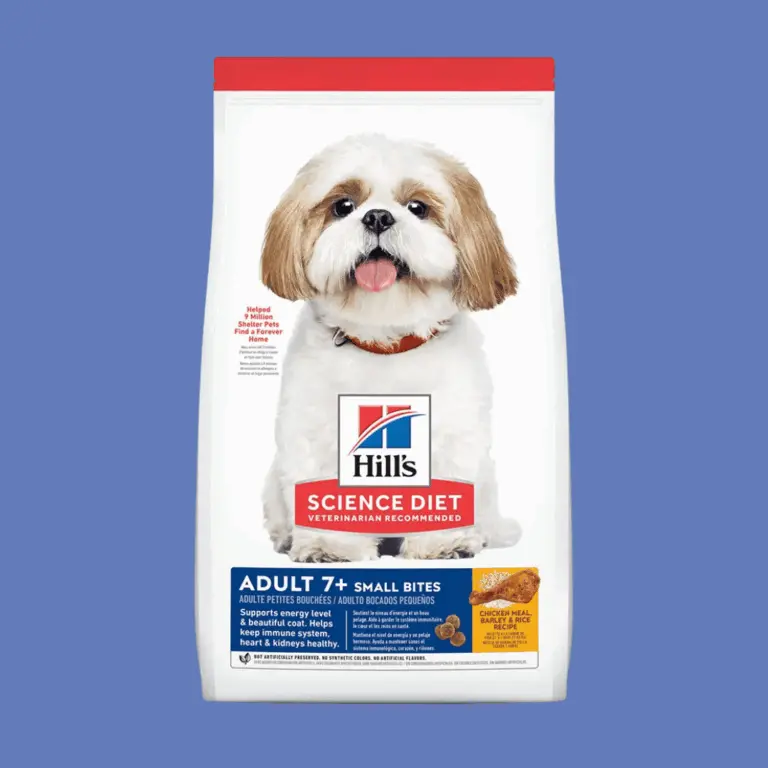
- Hill's Science Diet Senior
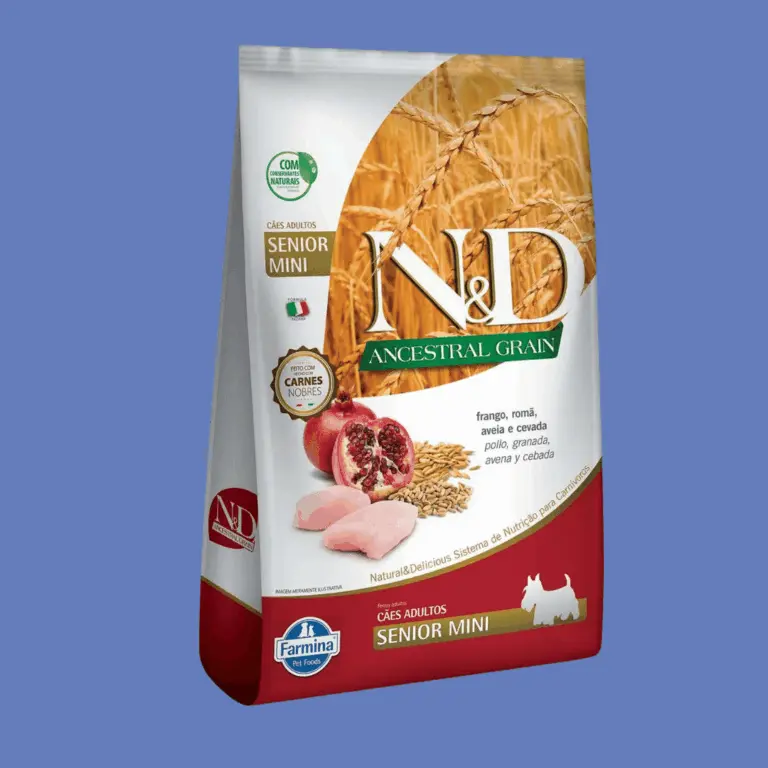
- N&D Ancestral Grain Senior Feed (Farmina)
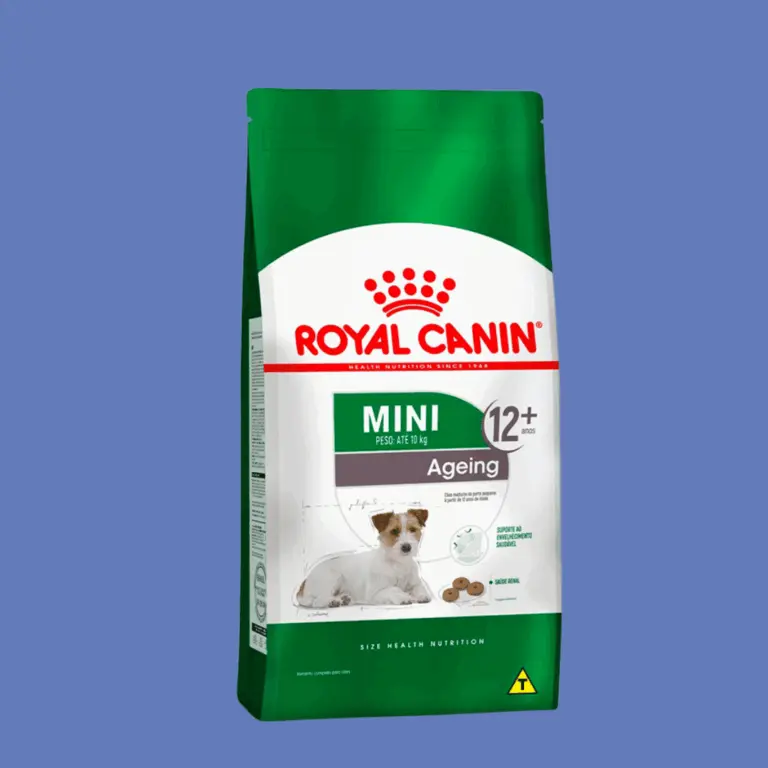
- Royal Canin Medium/Mini Senior
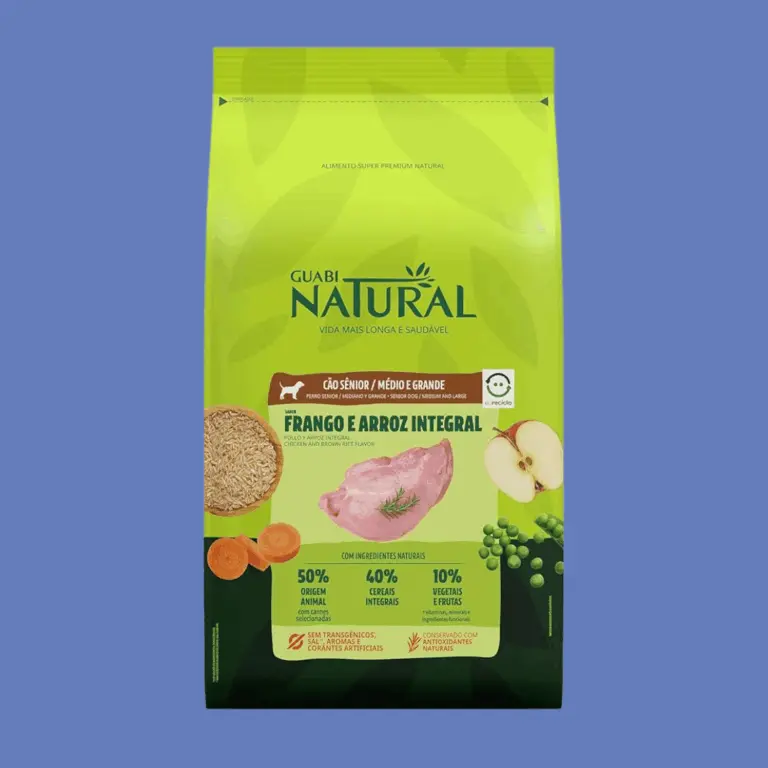
- Senior Natural Formula (Guabi Natural)
- PremieR Senior Food
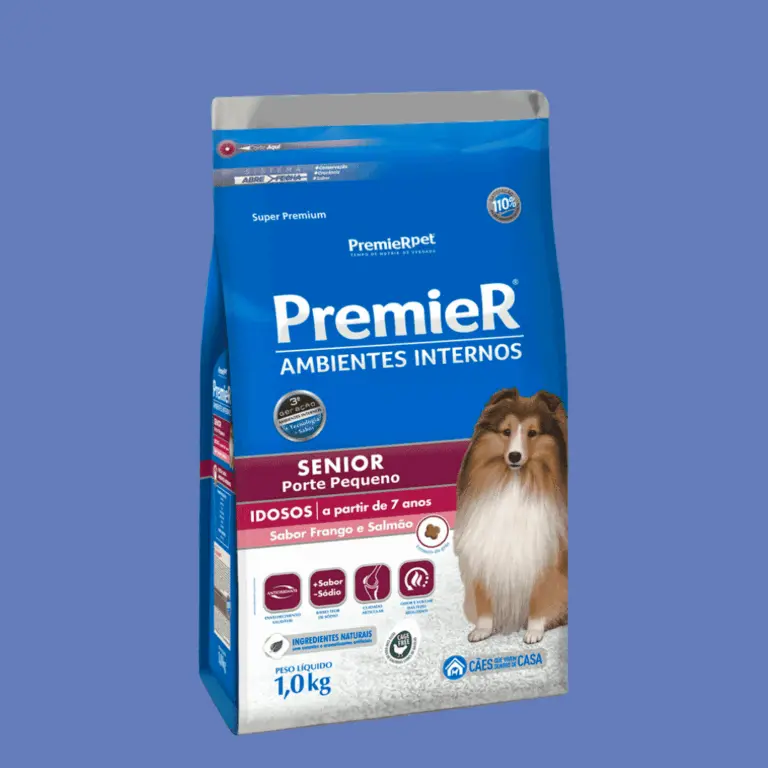
- GoldeN Senior Feed
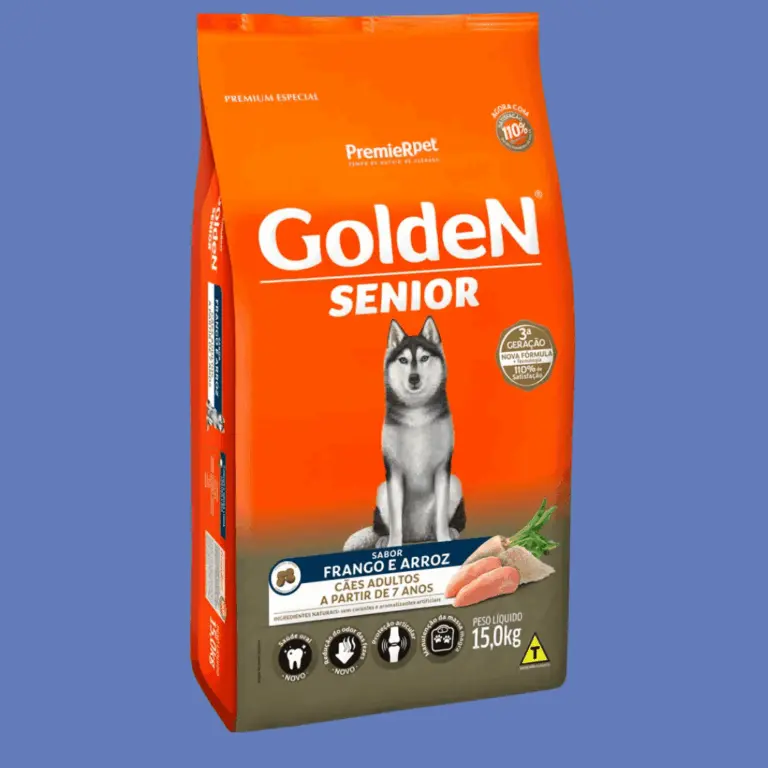
- Purina Pro Plan Adult Dogs
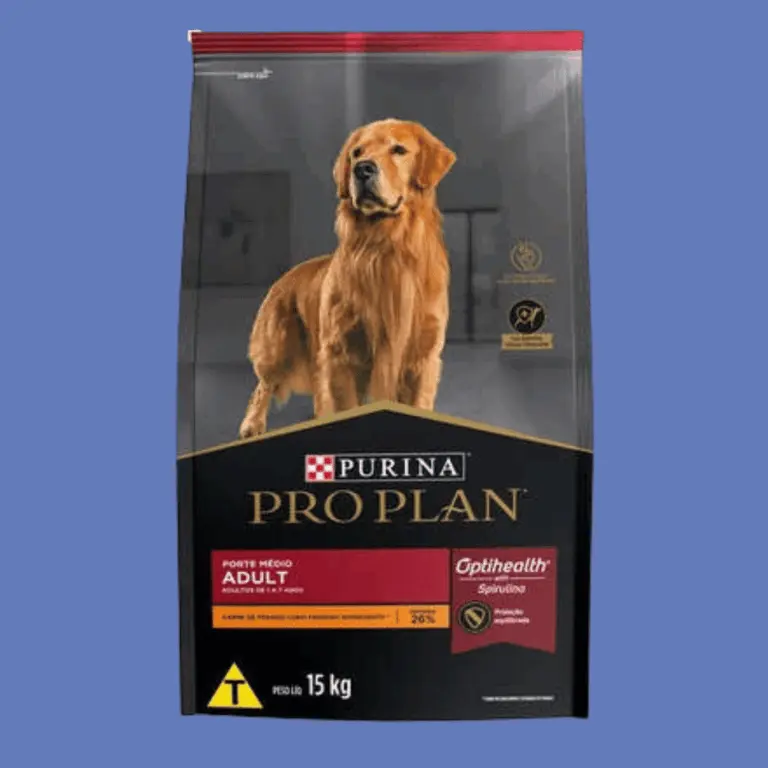
These foods are formulated to help maintain the vitality of dogs in old age, with ingredients such as glucosamine, chondroitin, antioxidants and highly digestible proteins.
Remember that the choice should be made on the basis of professional advice, taking into account your dog's individual characteristics.
Do you really need to change the feed?
If your dog is getting older, but eats well, maintains an ideal weight and is healthy, the vet may only suggest adjusting the amount of adult food. However, if there are changes such as weight gain, difficulty walking, altered tests or a drop in mood, it's worth considering changing.
In addition, senior meals are designed to delay the onset of chronic diseases - so they can also be used as a form of prevention.

Is senior food more expensive?
Not always. Commercial senior food is priced close to adult food. Premium and super premium lines tend to be more expensive, but with a higher concentration of nutrients (which can pay off in terms of portion and cost-benefit).
When considering costs, remember that proper nutrition can prevent future treatment costs. The ideal is to find a balance between quality, price and your pet's needs.
Senior food has been formulated to help dogs age with greater health and well-being.
If your dog is already elderly, it's worth observing its behavior, weight, mood and talking to your vet about the possibility of changing its diet.
Choosing the right food is one of the pillars of canine longevity.