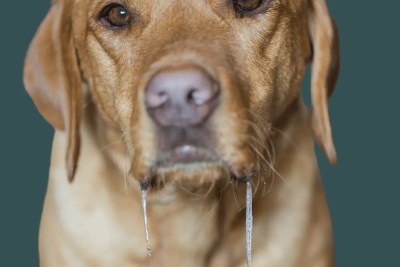

When we adopt a dog, one of the first questions that comes to mind is: "How many years does a dog live?" A dog's life expectancy varies widely between different breeds and sizes, and is influenced by various factors such as genetics, health care and lifestyle.
In this article, we'll explore the average lifespan of dogs, highlighting the differences between large and small sizes, as well as looking at the life expectancy of mongrels. Let's get started!
Do size and breed influence canine longevity?
Size and breed are significant factors that influence a dog's longevity. In general, small dogs tend to live longer than large dogs.
This difference is related to the accelerated growth and greater bodily wear and tear that large dogs face throughout their lives.
In addition, each breed has specific genetic predispositions that can affect their health, such as heart disease in larger breeds and respiratory problems in brachycephalic breeds.
Although size and breed are determinants, factors such as nutrition, lifestyle and preventive care play crucial roles in prolonging the healthy life of dogs, regardless of size or breed.
How long does a dog live, depending on its size?
A dog's life expectancy is a question often raised by guardians and animal lovers. On average, a puppy lives 10-13 years. This average age varies significantly between different breeds and sizes, and is influenced by various factors such as genetics, health care and lifestyle.
Large
Large dogs, such as Labradors, Golden Retrievers and German Shepherds, generally have a shorter life expectancy compared to smaller dogs.
On average, these dogs live between 8 and 12 years.
Factors such as their rapid growth and predisposition to certain diseases, such as hip dysplasia and heart problems, can influence this expectation.
These large dogs are also more susceptible to developing cancer problems.
For example, a Saint Bernard, known for his impressive size, tends to have a shorter lifespan, while a Labrador, despite being large, can live a little longer due to his general robustness and less predisposition to serious illnesses.
On average, these breeds live about:
Large Dogs
- Labrador Retriever: 11.77 years
- Staffordshire Bull Terrier: 11.33 years old
- German Shepherd: 10.16 years old
- Boxer: 10.04 years
- Border Collie: 12.10 years
- Husky: 9.53 years
Medium-sized dogs
- Border Collie: 12.10 years
- Springer Spaniel: 11.92 years
- Cocker Spaniel: 11.31 years
- Beagle: 9.85 years
- Husky: 9.53 years
Small
On the other hand, small dogs such as Chihuahuas, Poodles and Shih Tzus can live longer.
These dogs often live between 12 and 15 years. The Shih Tzu, for example, is known to live an average of 11.05 years.
These smaller dogs grow more slowly and generally have fewer serious health problems compared to larger dogs, contributing to a longer life.
According to a study that ranked the life expectancy of dogs in the UK, on average, these breeds live about:
Small Dogs
- Jack Russell Terrier: 12.72 years
- Yorkshire Terrier: 12.54 years
- Shih-Tzu: 11.05 years
- Cavalier King Charles Spaniel: 10.45 years
- Chihuahua: 7.91 years
- Pug: 7.65 years old
- English Bulldog: 7.39 years
- French Bulldog: 4.53 years
- American Bulldog: 7.79 years
How many years does a mongrel dog live?
Mongrels, or dogs without a defined breed, have a variety of life expectancies. Generally, they have an average lifespan of between 10 and 15 years, depending on factors such as size, health care and genetics.
The genetic diversity of mutts often contributes to better health and a lower incidence of breed-specific genetic diseases, which can result in a longer life.
How many years does a German Spitz live?
The German Spitz (or Pomeranian Lulu) lives for an average of 12 to 16 years. Thanks to their small size and good genetics, many reach 17 or even 18 years of age when well cared for.
It's a fairly healthy breed, but because it's small, it can suffer from patellar luxation (a problem with the joints in the paws) and bone fragility. They also tend to gain weight easily if overfed.
How long does a Pinscher live?
The Miniature Pinscher lives for an average of 12 to 15 years. Small, full of energy and in good health, they can exceed this average if given the right care.
Although robust, the Pinscher can have joint problems, such as patellar luxation, and is sensitive to the cold due to its short coat.
How many years does a Pitbull live?
The Pitbull has an average lifespan of 10 to 14 years, and can reach 16 years with good care. Although strong and muscular, it is a medium-sized dog with good longevity for its size.
The breed is generally healthy, but can suffer from hip dysplasia, skin problems and allergies.
How many years does a Shih tzu live?
The Shih Tzu lives for an average of 11.05 years, and can live to be 16 years old, or over 15 when well cared for. They are a small, hardy and affectionate breed.
Because they have a short muzzle, they can have difficulty breathing and intolerance to heat. Their large, protruding eyes require special attention, as they can suffer from irritation and ulcers.
How long does a Poodle live?
The Poodle is one of the longest-lived breeds: it lives for an average of 12 to 15 years and can reach 17 years or more - especially the Toy and Dwarf versions.
The Standard Poodle (large) usually lives between 12 and 14 years.
They are an intelligent and healthy breed, but they can develop eye, orthopaedic and dental problems as they get older.
What is the maximum life expectancy of a dog?
Some dogs stand out for their longevity, surpassing the average life expectancy of many breeds.
Although the average life expectancy of dogs is around 10 to 13 years, some dogs, especially small breeds, can live to 15 years or more. Exceptional cases of dogs living up to 20 years do exist, but they are rare.
For example, breeds such as Chihuahua, Pomeranian Lulu and Jack Russell Terrier are known for their longevity, sometimes living beyond 15 years.
These smaller breeds tend to have a slower pace of life and are less prone to complex genetic diseases, which contributes to their greater longevity.
Specific breeds such as the Toy Poodle and the Lhasa Apso are also notable for their long lives, often reaching 15 years.
In addition, dogs without a defined breed (SRD) tend to live about 1.2 years longer than purebred dogs of the same size.
What are the symptoms of canine ageing?
The signs of aging in dogs vary, but generally include physical, behavioral and health changes
Among the most common symptoms are loss of mobility, such as difficulty climbing stairs or walking; grayer hair, especially around the face; changes in sleep patterns; loss of appetite; reduced hearing and vision; and, in some cases, signs of mental confusion or disorientation.
It is essential for guardians to be aware of these changes to ensure proper care during this phase.
What can shorten a dog's life expectancy?
Factors such as inadequate diet, lack of regular exercise, excess weight, lack of veterinary care and genetic predispositions can have a negative impact on canine longevity.
In addition, stress, a poorly enriched environment and a lack of preventative care, such as vaccinations and parasite control, can aggravate health problems and reduce dogs' life expectancy.
How can PetMoreTime help canine longevity?
PetMoreTime combines advanced science and technology to offer a unique longevity protocol for dogs.