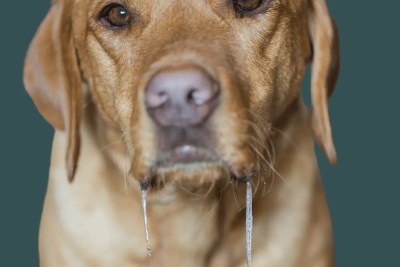

If you have an older dog at home, you’ve probably noticed a change in his behavior: he spends more time lying down, sleeps longer, and seems less active.
This raises a common question: Is this normal, or could it be a sign of a problem?
The answer may vary. Sleeping more is a natural part of aging. But there is an important difference between normal sleep and excessive sleepiness associated with illness.
Understanding this difference is essential to better care for your dog’s health as he or she enters their senior years.
My elderly dog sleeps a lot: is that normal?
Yes, it’s normal for older dogs to sleep more. As they age, their bodies undergo natural changes that reduce their energy levels and increase their need for rest.
However, “sleeping more” does not mean “sleeping all the time.” The key is in changing your sleep patterns.
If your dog has always been active and suddenly starts spending most of the day sleeping, this warrants further investigation.

How many hours does an elderly dog sleep each day?
An older dog may sleep 12 to 18 hours a day, depending on individual factors.
This variation occurs because dogs’ sleep is not continuous like humans’. They alternate between periods of rest and wakefulness throughout the day.
As they get older, some dogs tend to switch their day and night schedules, depending on their health, external stimuli during the day, a more sedentary lifestyle, etc.
Several factors influence this time:
- Age
- Breed
- Activity level
- Health status
- Environment
Large dog breeds, such as the Cane Corso, Saint Bernard, Great Dane, Neapolitan Mastiff, Rottweiler, and Bernese Mountain Dog, for example, tend to sleep more as they get older, especially since they age more quickly.
Why do older dogs sleep more?
Increased sleep duration is directly linked to the physiological changes associated with aging.
Among the main factors are:
Slowed metabolism
The body begins to use less energy, which reduces the need for constant activity.
Lower level of physical activity
Older dogs tend to play less, walk less, and get tired more quickly.
Changes in the nervous system
Aging affects the brain, including the areas responsible for regulating sleep and wakefulness.
Slower recovery
Rest becomes even more essential for muscle and energy recovery.
When can getting too much sleep be a sign of a problem?
Sleeping more is often considered a normal part of aging.
But sleeping too much can be a warning sign.
The key point is to distinguish between normal sleep and lethargy.
Lethargy is characterized by a lack of energy, a poor response to stimuli, and a general lack of interest.
Some conditions that can cause excessive sleepiness include:
Cognitive Dysfunction Syndrome Chronic pain (such as osteoarthritis)- Hormonal disorders
- Infections
- Neurological disorders
- Chronic kidney disease
If the lethargy is accompanied by other symptoms, such as loss of appetite, apathy, or changes in the dog’s behavior, the dog should be examined.
How can you tell the difference between normal sleep and lethargy in older dogs?
That is one of the most important questions.
A dog that’s just sleeping even more:
- Wakes up when called;
- Shows an interest in food;
- Responds to stimuli;
- It interacts, even if less frequently.
On the other hand, a lethargic dog may:
- Ignore stimuli;
- To be slow to react;
- Staying in bed even when awake;
- Show a general lack of interest.
In other words, it's not just about how much he sleeps, but how he behaves when he's awake.
Is it normal for an older dog to sleep with one eye open?
In many cases, yes.
This can happen due to incomplete muscle relaxation during light sleep.
Older dogs may have light sleep, which can lead to this behavior.
However, if this is accompanied by:
- Disorientation;
- Involuntary movements;
- Behavioral changes.
It may indicate neurological changes and should be evaluated.
An older dog pees while sleeping: what could be causing this?
It is not considered normal, but it is relatively common in older dogs.
In most cases, it is related to urinary incontinence.
This can happen because of:
- Muscle weakness;
- Hormonal changes;
- Neurological disorders;
- Urinary problems.
The dog may also urinate where it is sleeping due to cognitive changes or because it feels pain when moving around.
Do some dog breeds sleep more as they get older?
Yes.
Large dogs tend to age more quickly.
This means that:
- They enter old age earlier;
- They sleep more;
- They have less physical stamina.
Large breeds, for example, may experience a significant increase in the amount of time they spend resting as they age.
Does an older dog's sleep change as it gets older?
Yes, and not just in terms of quantity.
Sleep quality also changes.
It is common to observe:
- More fragmented sleep
- More periods of light sleep
- Less deep sleep
- Change in the day-night cycle
In some cases, dogs may sleep more during the day and be more active at night.
These changes may be related to the aging of the nervous system and cognitive impairment.
What should you do if your senior dog is sleeping too much?
The first step is to consider the context.
It isn't always a problem, but it shouldn't be ignored either.
Rate:
- Have there been any recent changes in behavior?
- Is he still eating normally?
- Does he answer when called?
- Are there any other associated symptoms?
If in doubt, a veterinary examination is the safest course of action.
The importance of monitoring in the senior phase
Sleep is one of the key indicators of health in older dogs.
Changes in sleep patterns can be one of the first signs that something is wrong.
That is why monitoring behavior over time is essential.
In their senior years, subtle signs may indicate significant changes, such as the dog drinking a lot of water or even having trouble sleeping.
Meet PetMoreTime
If your senior dog is sleeping more than usual, it may just be a normal part of aging… but it could also be one of the first signs of more serious health issues.
In older adults, behavior is one of the most valuable indicators of health.
PetMoreTime uses continuous data-driven monitoring to help identify early changes, often before diseases become apparent.
Rather than simply reacting to symptoms, the focus is on actively and systematically managing the aging process.