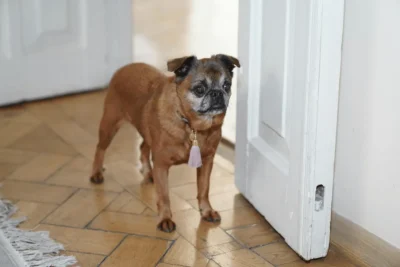
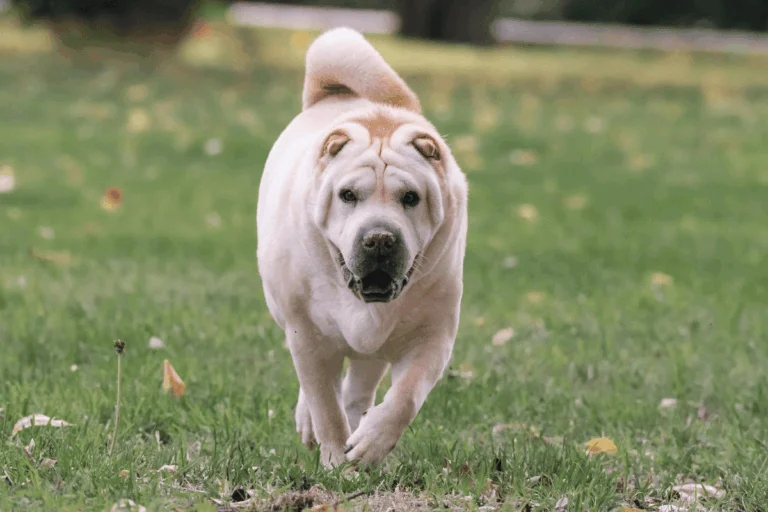
Did you know that elderly dogs are more likely to develop kidney disease than younger dogs? This is because, over time, the kidneys lose their ability to function properly.
This natural wear and tear is part of ageing and can lead to kidney problems, especially chronic renal failure.
Chronic kidney disease in elderly dogs
There are different diseases and symptoms of kidney disease. Chronic kidney disease (CKD), which will be the focus of the content, is a common condition in elderly dogs. Over the years, the kidneys gradually lose their ability to filter the blood and eliminate toxins.
This loss of kidney function happens slowly and progressively. Unfortunately, it is irreversible, but it can be controlled with appropriate treatment.
Early diagnosis is essential. The sooner the problem is detected, the better the chances of maintaining the dog's quality of life.
Are chronic kidney disease and kidney failure the same thing?
Although they are related, chronic kidney disease (CKD) and kidney failure are not exactly the same thing.
Chronic kidney disease is a progressive and silent problem. The kidneys gradually lose their function over months or years. In elderly dogs, it is one of the most common diseases.
Kidney failure is when the kidneys can no longer work as they should. They lose their ability to filter the blood, eliminate toxins and balance the body.
Main symptoms of kidney disease in dogs
In many cases, symptoms only appear when kidney function has already been compromised. That's why it's extremely important to always take your puppy to the vet regularly.
Look out for signs such as:
- Increased thirst and urination (polydipsia and polyuria)
- Loss of appetite and weight loss
- Vomiting and apathy
- Strong smelling breath (like ammonia)
- Mouth and nose ulcers
- Dehydration and pale mucous membranes
- Convulsions or neurological changes in more severe cases
These symptoms are not exclusive to kidney disease. Always consult a veterinarian for evaluation and tests.
Causes of Chronic Kidney Disease
Chronic Kidney Disease (CKD) usually appears silently, especially in elderly dogs. Over time, the kidneys lose their ability to filter the blood and eliminate toxins.
Among the main causes of CKD are
- Natural ageing of the kidneys: it is common for the kidneys to wear out naturally with age and lose their efficiency, even without a specific disease.
- Associated diseases: heart problems, infections such as leptospirosis, autoimmune diseases, chronic inflammation, periodontal disease and high blood pressure can compromise the kidneys.
- Prolonged use of medication: certain anti-inflammatory drugs(NSAIDs) and antibiotics can be toxic to the kidneys, especially in older animals.
- Genetic predisposition: some breeds have a higher risk of developing hereditary or congenital kidney disease.
- Exposure to toxins: accidental ingestion of toxic substances such as grapes, star fruit or chemicals can cause irreversible damage to the kidneys.
Remember that everything can depend and to be sure of the cause you need to consult a veterinary professional, ok?
Dog breeds with a higher risk of kidney disease
Some dog breeds have a greater genetic tendency to develop kidney disease - either due to congenital alterations or greater sensitivity to kidney damage.
Among those suggested to have this predisposition are:
Ver raças predispostas
Knowing if your dog's breed has this risk helps with early diagnosis and prevention.
How is the diagnosis made?
Chronic kidney disease is diagnosed with blood and urine tests.
The vet usually orders urea, creatinine and SDMA levels, as well as assessing urinary density. In some cases, an abdominal ultrasound helps to observe the structure of the kidneys.
How does kidney failure treatment work?
Chronic kidney disease has no cure, but it can be controlled.
The aim of the treatment is to slow down the progression of the disease, relieve symptoms and offer quality of life to the pet.
Remember that this is not a veterinary recommendation. Before applying any treatment to your dog, consult a professional.
Among the main precautions for the actual disease are:
Hydrate your dog
Keeping your dog well hydrated is essential.
Animals with kidney problems lose a lot of water through their urine and can dehydrate easily.
Always leave fresh, clean water available.
In more advanced cases, the vet may recommend fluid therapy (serum), which can be done in the clinic or, in some cases, at home, under professional guidance.
Balanced diet
Diet is one of the pillars of treatment for kidney disease. Therefore, there are specific nutritional recommendations.
Dogs with kidney failure need a diet with:
- Less protein, but good quality
- Moderate phosphorus and low sodium content
- Omega-3 and B vitamins
- Concentrated energy to prevent weight loss
You can use therapeutic food (kidney food) or a balanced homemade diet prescribed by a veterinary nutritionist.
Never change your diet without guidance.
What about the medication?
The vet can prescribe different remedies depending on the stage of the disease:
- Pressure controllers (such as benazepril or amlodipine)
- Phosphorus chelators
- Antacids, gastric protectors and antiemetics
- Potassium or vitamin supplements
- Synthetic erythropoietin (in cases of anemia)
The medication should always be adjusted by the professional according to the pet's tests and symptoms.
Don't medicate your dog yourself, consult a vet.
Practical eating and food care
Many dogs with kidney disease lose their appetite.
That's why it's important to make the food more attractive:
✔️ Serve slightly warmed
✔️ Divide into small portions throughout the day
✔️ Use foods with a stronger smell (if allowed)
If the dog refuses kidney food, talk to the vet about alternatives.
Sometimes, a personalized homemade diet can be more acceptable.
Avoid processed snacks, foods high in salt and toxic foods such as grapes and star fruit.
How to care for a dog with kidney disease?
In addition to treatment, the day-to-day life of a dog with kidney failure needs special attention.
Some important precautions include:
- Always ensure fresh water and easy access to it
- Create a comfortable, quiet environment with a mild temperature
- Avoid excessive physical effort
- Follow medication schedules correctly
- Regular visits to the vet to control the disease
If possible, learn how to apply subcutaneous serum at home, if your vet tells you to.
This can make a big difference to your pet's comfort.
How long does a dog with kidney failure live?
The survival of a dog with chronic renal failure can vary greatly.
Influencing factors:
- Stage of the disease at the time of diagnosis
- Age and presence of other diseases
- Response to treatment and diet
- Frequency of veterinary follow-up
The important thing is to keep the animal comfortable, pain-free and with a good appetite and disposition.
Is kidney disease curable?
The chronic form of kidney failure has no cure. Once kidney tissue is lost, it cannot regenerate.
But the disease can be controlled for a long time with proper treatment.
The acute form, caused by poisoning, infection or trauma, can be reversed if treated in time.
This is why veterinary supervision is essential.