New clues about canine longevity and what you can do to give your pet more quality time
An unprecedented analysis of more than 500,000 dogs monitored in the United Kingdom has just updated the ranking of the breeds that live the longest - and, what's more, reinforces the essential precautions that every guardian should adopt.
The research, led by data scientist Kirsten McMillan and published in Scientific Reports in 2024, reveals that body size, muzzle shape and sex weigh heavily on canine life expectancy.
After sifting through half a million records, the team found an overall median of 12.5 years for all dogs - but the curves split right after the first decimal. Pure breeds now come out slightly ahead of crossbreeds: 12.7 years against 12.0 years, a statistically significant difference.
This finding is surprising because it contradicts the old belief in "hybrid vigor" which, in theory, would protect mestizos from bad genes.
Gender continues to make little difference: females reach 12.7 years, males 12.4 years. Size confirms the biomechanical logic: small dogs live about 12.7 years, medium dogs 12.5 and large dogs 11.9 years.
But the shape of the snout imposes an even more visible cut-off: brachycephalics, even among small and medium-sized ones, stand at 11.2 years, almost 1.5 years below the global average
Which breed of dog lives the longest?
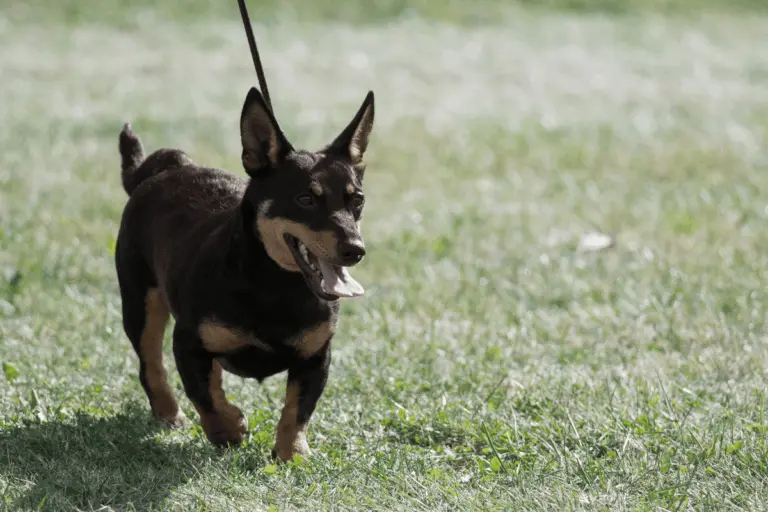
At the top of the vitality ranking are small breeds with long or intermediate muzzles. The absolute champion is the Lancashire Heeler (15.4 years), followed by the Tibetan Spaniel (15.2 years) and the Shiba Inu (14.6 years). Close behind are the Papillon, Lakeland Terrier, Schipperke, Border Terrier, Italian Greyhound and Miniature Dachshund, all with medians of 14 years or just over and risks of early death 30-50 % lower than the crossbreed benchmark
At the opposite end of the spectrum are giant or heavy brachycephalic breeds. The worst result was the Caucasian Shepherd Dog (5.4 years), followed by Presa Canario (7.7) and Cane Corso (8.1). Mastiffs in general, Saint Bernards and Bloodhounds don't go much beyond 9 years, while English Bulldogs and French Bulldogs, although smaller, stay at the median of 9.8 years, with risks of early death up to 2.2 times higher than the average crossbreed dog
How can you make your dog live longer?
If, on the one hand, genetics lays some cards on the table, on the other, our style of care can turn the tide - and we're not talking about some secret kept under lock and key.
Regular check-ups
Lesson number one is to have regular check-ups. A healthy, young dog should visit the vet at least once a year; older adults or brachycephalics deserve a six-monthly check-up to catch heart, respiratory or dental changes early.
Oral Health
At this point, it's worth remembering that oral health, which is often underestimated, has a direct impact on other health issues: chronic gingivitis and a build-up of tartar can trigger bacteria in the bloodstream, damaging the liver, kidneys and heart.
Brushing your dog's teeth a few times a week and investing in chewable toys that help with natural cleaning are simple but powerful actions.
Healthy eating
Food comes next as a pillar of longevity. Balanced premium feed, natural diets formulated by veterinary nutritionists or combinations of the two approaches reduce the risk of obesity and provide antioxidants that fight cellular aging.
Ultra-processed snacks, rich in sodium and colorings, should be the exception, not the rule. Some owners, afraid of "pleasing" their dog, offer table scraps or bread rolls from the bakery,
But it is precisely this practice that opens the door to diabetes, overweight and pancreatitis - diseases that shorten the life of the animal and drastically worsen its well-being.
Physical exercise
The third pillar is physical exercise, adapted to age, climate and individual condition.
Athletic dogs such as Border Collies or Whippets need daily sessions of moderate jogging to keep their muscles in shape and expend mental energy, while Bulldogs, Pugs and senior dogs benefit more from short walks at cool times, combined with moments of cognitive stimulation, such as strategy toys or light training.
The important thing is to find the right balance between healthy tiredness and overload. Even for breeds that weren't born to run marathons, daily movement prevents arthritis, keeps blood pressure under control and releases endorphins that combat canine depression and anxiety - yes, they feel it too!
Weight management
Last but not least is weight management.
A study by the University of Liverpool calculated that overweight dogs can lose up to two years of life expectancy compared to thin dogs. And it's not just the clock that ticks faster: the quality of those extra years also drops, because excess fat puts pressure on the joints, accelerates cardiac degeneration and worsens pre-existing respiratory pathologies. Here, the vet's advice is essential for adjusting portions, choosing calorie-controlled diets and instituting safe physical activities.
Finally...
The research reinforces truths that, deep down, we all know instinctively: just as with humans, living long is not the work of chance or a fountain of youth hidden in the backyard, but the result of a combination of reasonably favorable genetics and consistent daily attitudes.
Breeds such as the Lancashire Heeler, Tibetan Spaniel and Miniature Dachshund do have a biological advantage - but this advantage only materializes when they receive quality fuel, regular check-ups at the vet and the right amount of movement and affection.
So if you want your dog not only to add years to the calendar, but to continue running after the ball, wagging his tail and giving out licks in his good old 12, 14 or even 16 years of age, the recipe is within your reach: prevention, a balanced diet and exercise, as well as paying extra attention to the particularities of the breed that lives in your home.