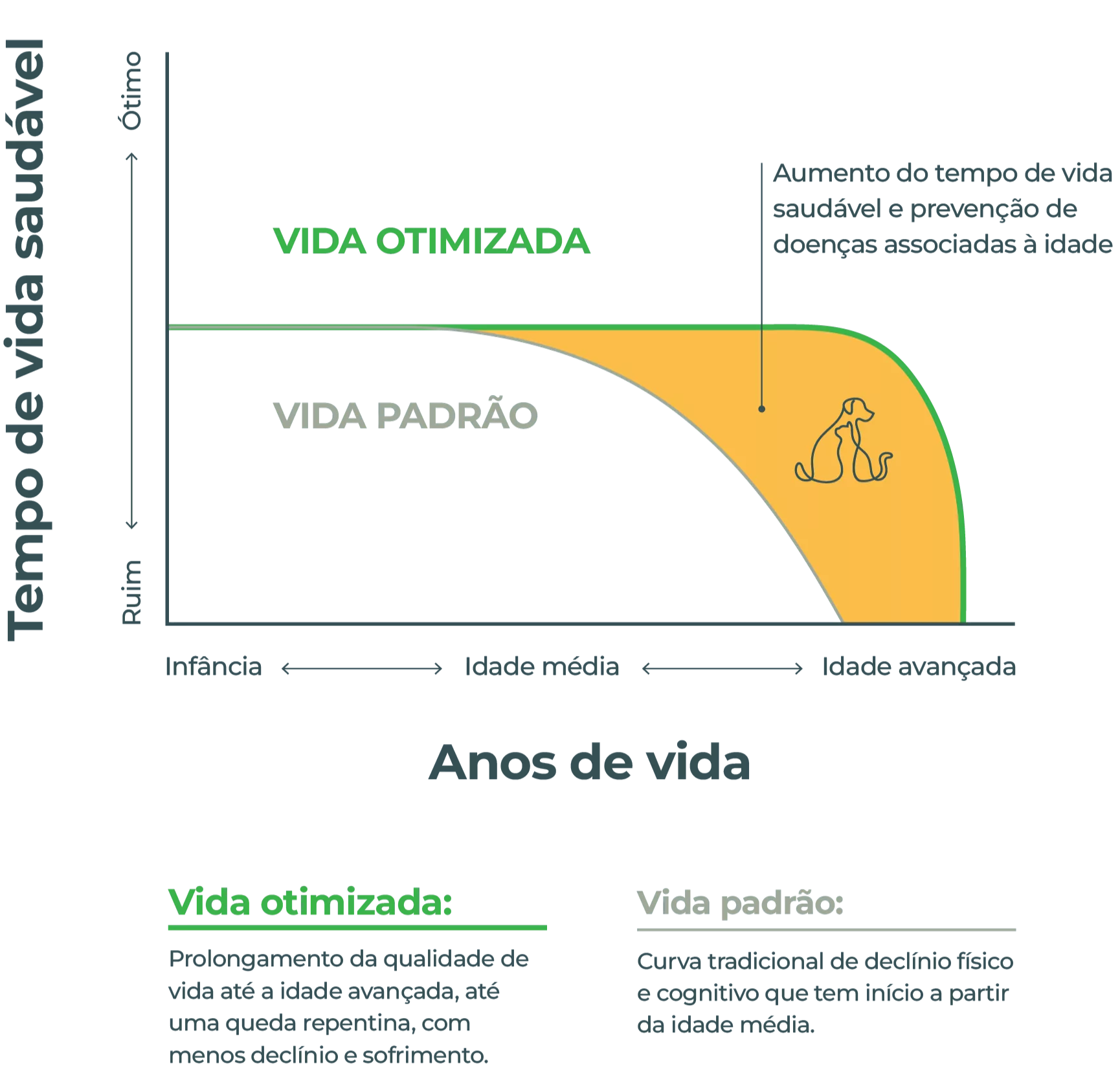
Humans are living longer, and so are dogs, who live in close proximity. The problem is that longer life doesn't mean healthier life.
In recent decades, science has dedicated itself to understanding the processes of ageing in order to reverse them or reduce the impact they have on quality of life.
It is now possible to act at the cellular level to extend healthy life spans.
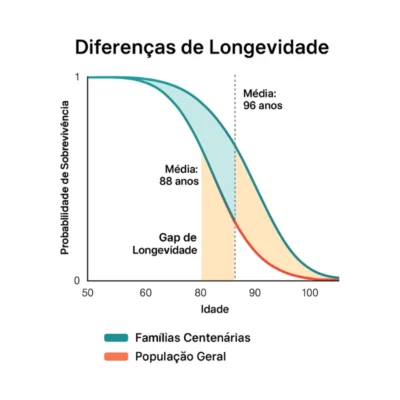
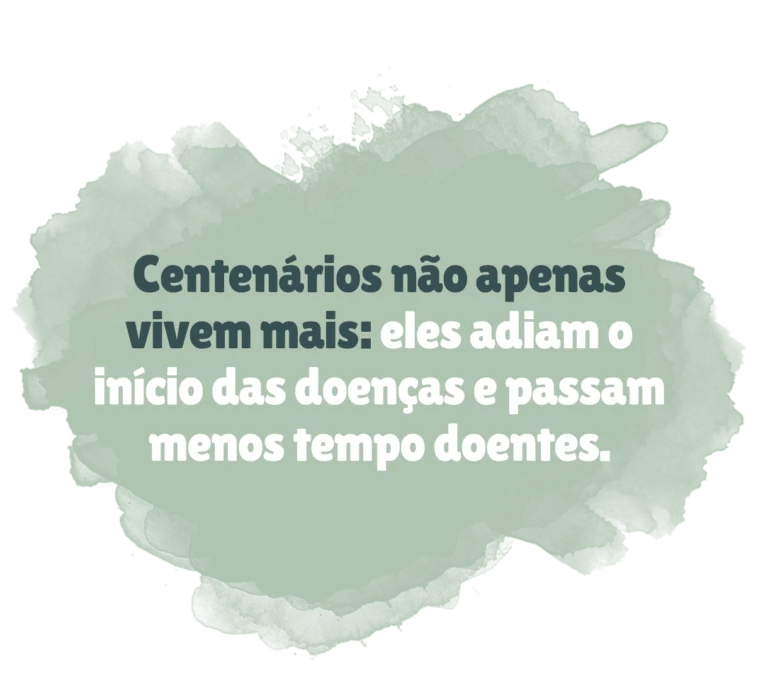
"Genetic centenarians" is a term used to refer to people who reach the age of 100 or more and who seem to have achieved this longevity largely due to genetic factors.
This indicates that there are biological mechanisms (often genetic) that support long life with health - and therefore there are plausible targets for emulating part of this phenotype in other populations, including dogs, via modulation of conserved aging pathways.
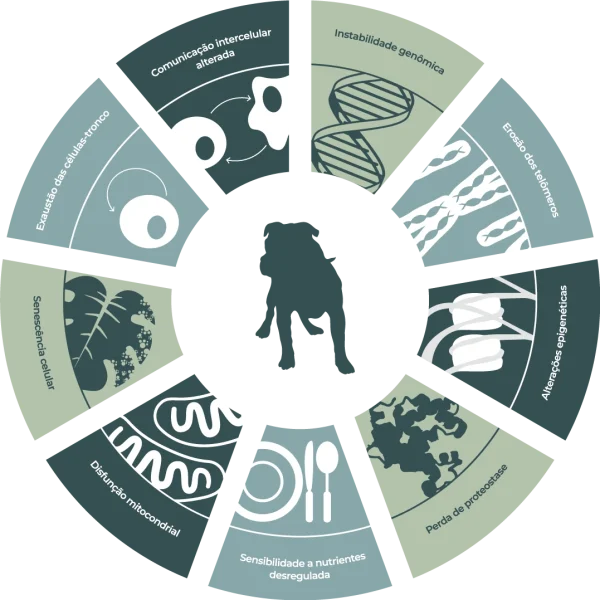
With the science of longevity, the Markers of Ageing have emerged.
These markers are a set of biological processes that contribute to ageing and declining health in different organisms.
They are fundamental to understanding why we age and how we can reduce these processes in a healthier way.
In 2022, the ARDD conference on "New Hallmarks of Ageing", held in Denmark, added new markers to the original list: autophagy, RNA processing, gut microbiota, mechanical properties and inflammation.
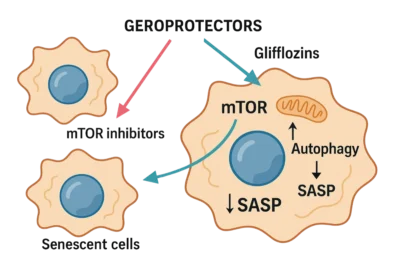
Cutting-edge research shows that substances such as rapamycin (mTOR inhibitor), glyphlozins (SGLT2 inhibitors) and senolytics can act on fundamental mechanisms of ageing.
Studies have already shown consistent results in animal models, and are now advancing in dogs and humans with safe protocols and clear metrics. The future of longevity is getting closer and closer to clinical practice, bringing real and measurable benefits.
Intermittent regimens are designed to act precisely, regulating only the right targets of metabolism and reducing unwanted effects.
In addition, SGLT2 inhibitors go beyond metabolic control: they also act on inflammatory mechanisms, helping to reduce signs of cellular aging in key tissues.
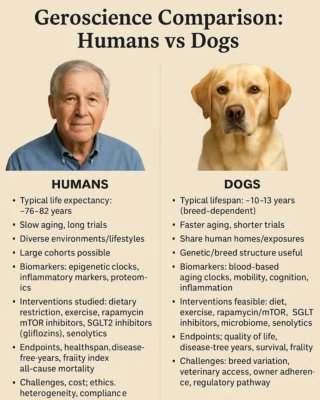
Dogs live side by side with us, share the same environment and lifestyle, and even have shorter life cycles and great genetic diversity between breeds.
These characteristics make it possible to transform discoveries in the science of ageing into solutions that bring real health benefits to dogs.
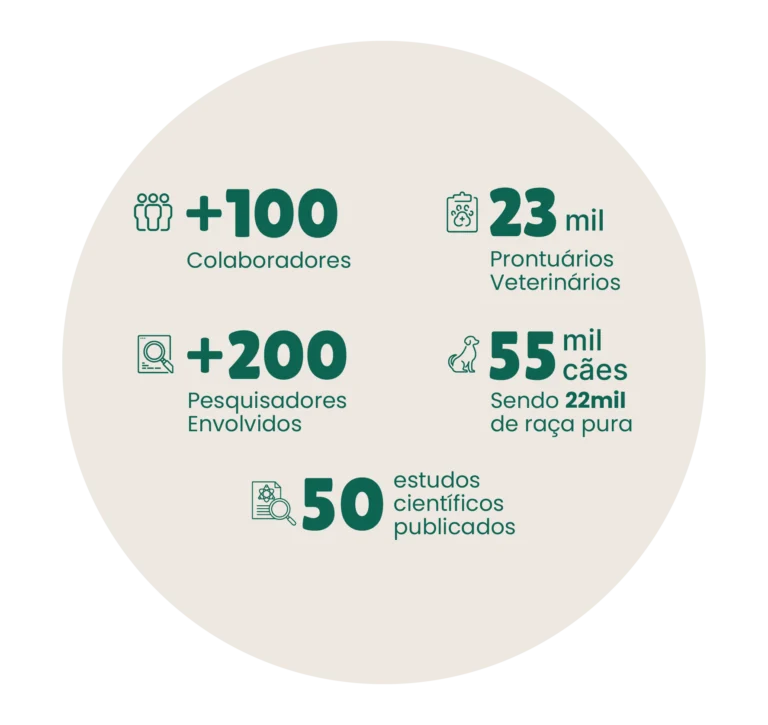
The Dog Aging Project (DAP), co-founded by our chief scientist, Matt Kaeberlein, is a long-term study with more than 10 years of existence and more than 50,000 participating pet dogs. Supported by the National Institute on Aging, the project investigates the aging process in dogs, seeking to understand genetic and environmental factors that influence it, as well as testing interventions that can improve longevity and quality of life (healthspan).
In agreement with the National Federation of State Military Officers' Entities and PetMoreTime, with the support of the National Council of Commanders General, we are developing the first scientific research program to slow down the process of canine aging in Brazil.
In this way, we participate in the discovery of new therapies to slow down physical and cognitive decline in dogs.
Everything we do at PetMoreTime is based on science to offer not only safe therapies, but also those with real validation.
Click on the button below to access our repository of scientific studies to deepen your knowledge of the science of longevity.
What drives us? Health and Safety Always First
Total priority for your dog's well-being and safety, based on responsible science.
Innovation with purpose
Advanced science and technology come together to prolong the life and health of your best friend.
Personalized care
Programs designed to meet your best friend's unique needs.