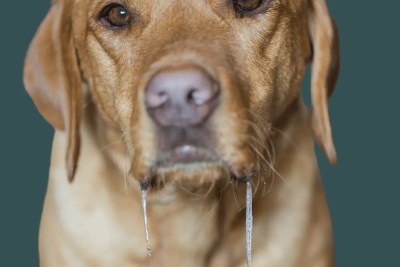

With the arrival of the holiday season, many families travel and leave their dogs at hotels, daycare centers, or with pet sitters. And although these are excellent solutions, these environments can increase exposure to a very common disease, kennel cough.
You've probably heard of, or even seen, a dog coughing as if it were choking. This strong, dry, repetitive cough can seem frightening, but it is a condition that, when identified early, is completely controllable.
What is kennel cough?
Kennel cough, also called canine infectious tracheobronchitis, is a highly contagious respiratory infection that primarily affects the trachea and bronchi of dogs.
It is caused by a combination of factors, which may include:
- Bordetella bronchiseptica (bacteria);
- Canine parainfluenza virus (CPIV);
- Canine adenovirus type 2;
- Mycoplasmas.
It is, therefore, a multifactorial disease, similar to what we call "canine flu."
Although it is mild in most cases, it can be more serious in dogs:
- Elderly people;
- Puppies;
- Immunosuppressed;
- With previous heart or respiratory diseases.
Symptoms of kennel cough
Symptoms appear suddenly, usually shortly after contact with other dogs. The most common symptoms are:
- Intense dry cough, as if choking;
- Choking or gagging after coughing;
- Mild nasal discharge;
- Sneezing;
- Sensitivity to touch in the throat;
- Wheezing when breathing;
- Vomiting white foam after coughing episodes;
- Difficulty resting due to coughing.
In more severe cases (pneumonia), there may be:
- Fever;
- Apathy;
- Lack of appetite;
- Productive cough (with phlegm).
If the guardian notices any of these signs, it is important to avoid contact with other dogs and seek veterinary care.
Causes and risk factors
Kennel cough is caused by exposure to respiratory viruses and bacteria, especially in places where many dogs circulate.
Factors that increase risk:
- Hotels, nurseries, and daycare centers;
- Crowded parks;
- Pet-friendly events;
- Unvaccinated dogs;
- Close contact with unfamiliar dogs;
- Enclosed spaces with poor air circulation.
That is why outbreaks often occur during holidays and festive periods, when the flow of dogs into kennels is higher.
How does transmission occur?
Kennel cough is highly contagious. Transmission occurs mainly through:
- Droplets released when coughing or sneezing;
- Direct contact between dogs;
- Sharing water, toys, feeders;
- Contaminated surfaces.
An infected dog can transmit the disease even without showing symptoms in the early days.
Therefore, a single infected dog in a collective environment is enough to start an outbreak.
Prevention and vaccination: how to avoid kennel cough
The best form of prevention is to keep vaccinations up to date.
There are three types of vaccines that help prevent kennel cough:
- Intranasal vaccine (drop in the nose)
- excellent local protection
- rapid immune response
- Injectable vaccine (subcutaneous)
- good systemic protection
- usually included alongside parainfluenza + adenovirus
- Oral vaccine (taken by mouth)
- easy to manage
- also protects against Bordetella
In the vaccination protocol for dogs, some vaccines are considered essential, while others are classified as non-essential and are only recommended in high-risk situations.
Essential vaccines, such as those that protect against canine distemper virus (CDV) and canine adenovirus type 2 (CAV-2), should be given to all dogs, regardless of lifestyle, as they prevent serious and highly contagious diseases.
Vaccines classified as non-essential —such as those against Bordetella bronchiseptica, canine parainfluenza virus (CPiV), and canine influenza (CIV)—are recommended for dogs at high risk of contact with other animals.
How often should it be applied?
The vaccine is annual, but dogs that frequent hotels, daycare centers, and parks may need boosters as directed by your veterinarian.
Other forms of prevention
In addition to vaccination, some simple measures can greatly help reduce the risk of infection.
As recommended by PetMoreTime veterinarian Rita Zuanaze, preparations for a vacation trip should begin well before packing your bags—with choosing a safe location that maintains good hygiene, welfare, and animal care practices.
In addition to financial planning, it is essential to ensure your pet's health by updating their vaccination schedule and regularly controlling ectoparasites and endoparasites, such as fleas, ticks, and worms.
“These precautions are essential for pets to be welcomed into hotels or daycare centers safely, comfortably, and healthily, avoiding the risk of infection and ensuring a peaceful stay.”
Dr. Rita emphasizes that prevention is always the best way to protect those we love most—even during the holidays.
How much does the kennel cough vaccine cost?
The price varies by region and clinic, but generally, it can be:
- Between R$70 and R$150 per dose.
These values are not exact and may vary depending on several factors.
Diagnosis of kennel cough
The diagnosis is clinical, in most cases, based on:
- Exposure history;
- Typical symptoms (persistent dry cough);
- Physical examination.
In more serious cases, the veterinarian may request:
- Chest X-ray;
- Complete blood count;
- PCR for respiratory agents.
Treatment of kennel cough
The treatment of kennel cough varies depending on the cause and severity of the condition. In general, these cases are self-limiting, with improvement occurring even without treatment.
In mild cases, treatment is simpler and mainly involves rest, avoiding exercise and games that may further stimulate coughing.
It is essential to keep your dog in a clean, well-ventilated, dust-free environment, as well as ensuring they stay well hydrated.
In some situations, the veterinarian may prescribe cough suppressants to relieve discomfort, but they are only recommended in cases of persistent coughing and when it is certain that there is no pulmonary secretion.
In moderate to severe cases, treatment is usually more comprehensive. The veterinarian may prescribe anti-inflammatory drugs, bronchodilators, and nebulization to help open the airways.
In dogs with signs of more severe infection, such as fever or discharge, respiratory support may be necessary.
If a secondary bacterial infection is confirmed, antibiotics may be necessary. This should always be done with a prescription and under the supervision of a healthcare professional.
What is the best antibiotic for kennel cough?
It is important to mention that antibiotics are not used for kennel cough, but rather for cases with confirmed secondary bacterial infection. There is no universal "best" antibiotic.
Usage depends on:
- From the suspect agent;
- Of gravity;
- From the individual assessment;
- The presence of pneumonia.
Antibiotics should only be used with a veterinary prescription, after examination and diagnosis. Self-medication can aggravate the condition.
How long does kennel cough last?
- Mild cases: 7 to 14 days
- Moderate cases: 2 to 3 weeks
- Complicated cases: up to 6 weeks
If the cough does not improve within 7 days, it is important to reevaluate.
Meet PetMoreTime
Vaccination, prevention, and paying attention to your dog's behavior are essential to avoid bigger problems, especially in older dogs, puppies, and animals with fragile health.
Dogs with stronger immune systems cope better with respiratory infections such as kennel cough, and this becomes even more important in their senior years.
The PetMoreTime Longevity Program combines technology, continuous monitoring, and scientific knowledge to extend the healthy lifespan of your best friend by identifying early changes and supporting preventive decisions.
👉 Discover PetMoreTime's Longevity Program and strengthen your dog's health at every stage of life.