
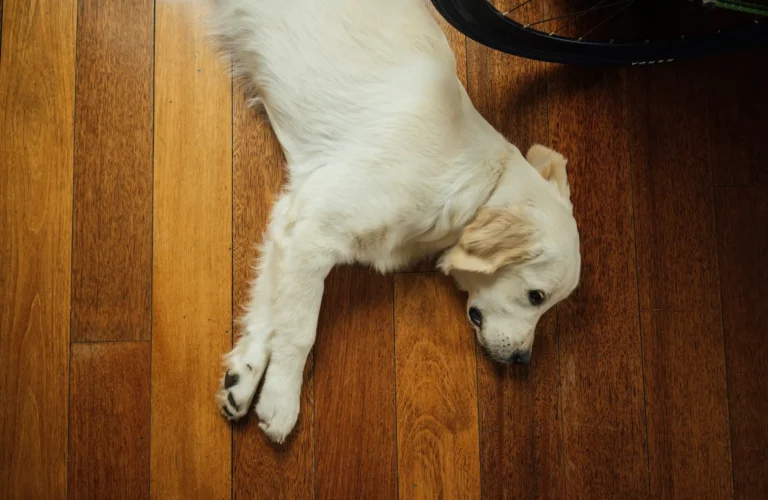
Does your dog seem quieter than usual? It could be a sign of pain. Dogs can't express verbally when something is bothering them, but they show discomfort through subtle (or not so subtle) changes in behavior, posture and habits. Knowing how to identify these signs is fundamental to ensuring your pet's health and well-being.
In this article, you'll learn how to tell if your dog is in pain, what the most common signs are, the most common types of pain and what to do in each situation.
What causes pain in dogs?
Before understanding the visible signs, it's important to understand what pain actually is.
Pain is a complex sensory and emotional experience. It's about the physical perception of a stimulus, but also how it affects the individual emotionally.
The International Association for the Study of Pain (IASP) definition states that pain is "a sensory and emotional experience associated, or similar to that associated, with actual or potential tissue injury".
In other words, even if there is no obvious injury, the dog may feel pain.
And even if they can't verbalize it, they can express their suffering in other ways.
Pain is subjective and can be influenced by factors such as fear, anxiety, stress and a history of negative experiences.
For this reason, its recognition in animals depends mainly on behavioral observation and clinical evaluation.
Types of pain in dogs
Pain can be classified in different ways, and knowing these categories helps you better understand what your pet may be experiencing:
Acute pain (adaptive)
- It has a rapid onset and is usually associated with a recent tissue injury, such as post-surgery, blows or infections.
- It is related to protection and recovery and is a warning signal for the body to rest and recover.
Chronic pain (maladaptive or pathological)
It persists for more than three months, even after the tissue has healed.
The pain becomes a condition in itself and can cause continuous suffering, behavioral changes and even depression in the animal.
Inflammatory pain
Associated with local inflammatory processes. It is common in diseases such as arthritis, infections or after surgery.
Neuropathic pain
It results from an injury or dysfunction in the nervous system (central or peripheral). It can be perceived as burning, tingling or pain with no apparent cause.
Dysfunctional pain
It occurs even in the absence of an identifiable injury or inflammation. It is related to faults in the way the nervous system processes stimuli.
Mixed pain
Many clinical conditions present more than one type of pain at the same time, as in the case of osteoarthritis, which can involve inflammatory, neuropathic and dysfunctional pain.
Clinical pain
Related to underlying diseases that generate pain as a persistent symptom, such as cancer, advanced osteoarthritis or chronic illnesses.
It is multifactorial and generally requires continuous treatment, focusing both on the cause of the disease and on controlling the perceived pain.
It usually involves more than one mechanism (inflammatory, neuropathic, dysfunctional) and requires an integrated therapeutic approach.
What do dogs do when they're in pain?
It's common for pet owners to be in doubt about what signs of pain to look for in their pet's behavior. Dogs that are in pain often change the way they interact, the way they move and even the way they eat. That's why it's worth paying attention to some specific behaviors.
- Apathy and isolation: dogs that used to be active and playful may hide or avoid contact with their owners.
- Lack of appetite: refusing food is one of the first signs that something is wrong.
- Abnormal vocalizations: whimpers, whines or low-pitched barks can indicate pain.
- Trembling, shortness of breath or dilated pupils: these are physical signs of stress or discomfort.
- Sudden aggression: a docile dog may growl or try to bite if it feels pain, especially when touched.
- Self-mutilation: the dog may start biting itself or rubbing its head against the wall.
- Mobilization: standing still for a long time, difficulty walking.
- Moaning, complaining: the dog may try to vocalize the pain.
- Eyes closed and a tired expression.
What position does a dog get into when it's in pain?
The way a dog lies down or walks can reveal a lot about what they are feeling. Some adopt specific positions to relieve discomfort, and identifying this can help you understand the type of pain they are experiencing.
- Arched back or prayer position: indicates abdominal pain.
- Head down and body stiff: a sign of back or neck pain.
- Avoids lying down or gets up with difficulty: you may have joint or muscle pain.
- Tail between paws and ears back: shows fear or intense discomfort.
What to do if your dog is in pain?
If you notice any signs of pain, the best course of action is to seek veterinary help. In the meantime, some actions will help to ensure the animal's comfort and safety:
- Avoid medicating on your own. Many human medicines are toxic to dogs.
- Don't insist on interactions. Let the dog rest in a quiet place.
- Observe the symptoms. Record when they started and how they evolved.
- Take it to the vet as soon as possible. Early diagnosis and treatment make all the difference.
How can you tell if your dog has abdominal pain?
Abdominal pain is one of the most worrying symptoms for pet owners, as it is often accompanied by vomiting and lethargy. It can arise for various reasons, such as inadequate nutrition, infections or digestive problems.
- Shrunken or bent posture.
- Vomiting, diarrhea or gas.
- Abdomen swollen or painful to the touch.
- Lethargy and lack of appetite.
How can you tell if your dog has a stomach ache?
Although similar to abdominal pain, stomach pain is usually more associated with nausea and changes in appetite. Pay attention to these signs:
- Frequent vomiting.
- Excessive salivation.
- Apathy.
- Lack of interest in food.
- Ingestion of grass (may indicate abdominal discomfort in some cases)
How can you tell if your dog has an earache?
Otitis and other ear inflammations are very annoying and can be noticed by the attentive dog owner. The dog will try to show that something is wrong, especially by touching his ears frequently.
- Frequent scratching of the ears.
- Shake your head or keep it tilted.
- Strong smell and discharge from the ear.
- Sensitivity to touch in the area.
How can you tell if your dog has a toothache?
Dental problems aren't always noticed right away, but they can cause a lot of suffering. Watch out for the signs, especially when eating.
- Difficulty chewing or preference for softer foods.
- Bad breath.
- Excessive salivation.
- Rubbing their muzzle or not allowing them to touch their mouth.
How can you tell if your dog has back or joint pain?
Pain in the spine or joints can seriously compromise a dog's mobility and well-being. These types of pain are common, especially in elderly dogs, large breeds, overweight animals or those with a genetic predisposition to osteoarticular diseases such as dysplasia or arthrosis.
It is important to observe changes in the animal's behavior and daily movements. Some classic signs include:
- Avoids climbing stairs or jumping: the dog may hesitate or refuse to do activities that he used to do with ease.
- Walking stiffly or with a limp: an altered gait is one of the most obvious signs of joint or back pain.
- Gets up with difficulty: especially after periods of rest, the animal may show stiffness or slowness when getting up.
- Shows pain when their back is lifted or touched: they may react by whimpering, trying to move away or even becoming aggressive because they are in pain.
- Reduces physical activity: avoids playing, going for walks or prefers to lie down for longer than usual.
Keeping an eye out for these behaviors helps to identify joint or spinal problems early on and seek appropriate treatment to improve your pet's quality of life.
How can you tell if your dog has a sore throat?
When there is inflammation in the throat, dogs can show symptoms similar to those of a cold. Some behaviors are quite characteristic.
- Dry cough.
- Hoarse voice or difficulty barking.
- Difficulty swallowing dry food.
- Prefers moist food.
How can you tell if your dog has a headache?
Although harder to see, headaches can also affect dogs. It is usually associated with other more complex conditions.
- Dogs look for dark and quiet places.
- Shows sensitivity to light.
- Press your head against the wall.
- Becomes disoriented or walks in circles.
How can you tell if your dog is unwell?
Pain doesn't always manifest itself clearly, but the guardian can tell when the pet is not in its usual state.
Small changes in everyday life can indicate that something is wrong.
- Changes in behavior (quieter or more aggressive).
- Changes in sleep or appetite.
- Less willingness to play or interact.
- Physical signs such as vomiting, diarrhea, lameness or excessive licking of any area of the body.
Technical evaluation of pain in dogs
Although guardians are fundamental in observing the first signs of pain, there are also technical and standardized ways of assessing pain that are used by veterinarians.
These methods include pain, physiological and clinical scales that help measure the intensity of pain and guide appropriate treatment. Such as the Glasgow Scale.
These tools are essential especially in cases where the animal doesn't show such obvious signs or when there is a need to monitor the progress of the condition.
Therefore, when you take your dog to the vet, he will be able to apply these scales professionally to more accurately identify the level of pain and define the best therapeutic plan.
Get to know PetMoreTime
Identifying that your dog is in pain requires sensitivity, observation and knowledge. Keeping track of your pet's daily behavior helps you quickly notice when something is out of the ordinary. At the slightest sign of pain, seek veterinary advice.
Your dog trusts you to look after him. Be attentive, be loving and don't hesitate to seek professional help.
Did you know that PetMoreTime has an exclusive program that supports owners in the daily care of their dogs?
Find out how it can help you provide more health, well-being and quality time for your best friend.