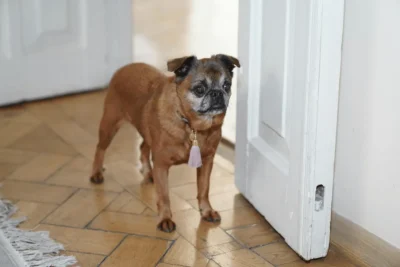

Canine gastroenteritis is an inflammation that can affect your pet's entire gastrointestinal tract, including the stomach, small intestine and large intestine.
If you suspect that your pet is suffering from this disease, take him to the vet. Gastroenteritis in dogs, although common and occurring in different parts of a dog's life, can be extremely serious and lethal.
The main symptoms are
Gastroenteritis symptoms in dogs
- Vomiting
- Diarrhea
- Abdominal pain
- Lethargy
- Loss of appetite
- Dehydration
- Fever
- Weight loss
- Dehydration
- Altered stools (liquid)
- Nausea
If your dog shows these symptoms, it's important to take him to the vet for a proper diagnosis and treatment.
Dehydration, in particular, can be serious and requires immediate attention.
Treatment can include antibiotics, dewormers, fluid therapy, medication to control vomiting and diarrhea, dietary adjustments, all depending on the cause. It is therefore essential that the vet determines the cause in order to apply the best treatment.
There are many reasons why gastroenteritis manifests itself in animals:
Common causes of gastroenteritis in dogs
- Bacterial or viral infections.
- Intestinal parasites.
- Improper diet or eating spoiled food.
- Food allergies or intolerances.
- Stress.
- Ingestion of foreign bodies or toxic substances.
- Plants.
- Other diseases, such as tick-borne disease, endocrine diseases and gastrointestinal tumors.
Treating Canine Gastroenteritis
The treatment of gastroenteritis in dogs depends on the cause and severity of the symptoms. In mild cases, the vet may recommend:
Rest
Avoid physical activity so that the dog can recover.
Diet recommended by the vet
Hydration
Make sure the dog drinks water. One of the treatments the vet may recommend is fluid therapy.
Medicines
Anti-inflammatories, anti-emetics (to control vomiting) or probiotics to restore the intestinal flora.
In more serious cases, such as bacterial infections, the vet may prescribe antibiotics. Never treat the dog yourself, as this can make the condition worse. It is also important to identify the cause of the gastroenteritis, as the condition can recur if the underlying cause is not identified and treated.
How to Prevent Canine Gastroenteritis
Prevention is the best way to prevent your dog from suffering from gastroenteritis. Here are some tips:
- Proper nutrition
- Hygiene
- Up-to-date vaccinations
- Regular worming
- Control of ectoparasites such as fleas and ticks
- Avoid stress

Diagnosis of Canine Gastroenteritis
The diagnosis is made by the vet on the basis of symptoms and clinical examinations.
The challenge is to identify the exact cause of the gastroenteritis.
Some common procedures are laboratory tests such as blood counts, kidney profile, liver profile, triglycerides, cholesterol, blood glucose, hormone tests, cobalamin, abdominal ultrasound and even urine tests if the suspicion is related to kidney disease. There are also stool tests, x-rays and endoscopies.
The vet needs to know when the animal started showing symptoms, whether it ingested any objects or food, and whether its vaccination records are up to date. Therefore, if your dog shows any kind of suspicious symptom, take him to the vet so that the professional can identify the seriousness of the illness and what treatment to follow.
It is important to carry out a hemogasometry to check for an electrolyte imbalance and the need for immediate intervention, including hospitalization in the most serious cases.
Never try to treat your dog without a specialist, especially with home treatments that can make the symptoms worse.
Frequently Asked Questions about Canine Gastroenteritis
How long does gastroenteritis last in dogs?
The duration depends on the cause and the treatment. In mild cases, symptoms can disappear in 1 to 3 days. More serious cases, such as those caused by bacterial or viral infections, can take up to a week or more to resolve.
Which antibiotic for canine gastroenteritis?
The use of antibiotics is only recommended in specific situations, such as in some bacterial infections, some parasites and gastroenteritis that responds to the use of antibiotics. The vet can prescribe drugs such as metronidazole or amoxicillin. Never administer antibiotics without professional advice.
What to give your dog when it has gastroenteritis?
After taking the dog to the vet, it is essential to follow the specific guidelines for each case. Currently, specific gastrointestinal diets are recommended, which can be wet or dry food, prescribed according to the patient's clinical condition. Avoid offering chicken, as it can interfere with the diagnosis of food allergies. The vet is the right professional to recommend the most appropriate diet for treatment.
Canine gastroenteritis home treatment
There is no home treatment for canine gastroenteritis. It is essential to seek veterinary care immediately, as each case requires specific management. Measures such as offering fresh water and rest can be complementary, but are never a substitute for professional care.
Severe or poorly managed cases can develop into serious complications.
Can canine gastroenteritis kill?
In severe, untreated cases, gastroenteritis can lead to severe dehydration, electrolyte imbalance and even death. That's why it's essential to seek veterinary help when you notice the first symptoms.
Is canine gastroenteritis serious?
The severity depends on the cause and the speed of treatment. Mild cases can be resolved with simple care, while bacterial, viral or parasitic infections can be more serious and require immediate medical intervention.
Is canine gastroenteritis contagious?
Canine gastroenteritis can be contagious, depending on its cause. If it is caused by viruses, bacteria or parasites, there is a risk of transmission to other dogs and, in some cases, it can even be transmissible to humans. For example, diseases such as parvovirosis and distemper are highly contagious and can cause severe gastroenteritis. Cases related to food poisoning or stress, on the other hand, are not transmissible.
Meet PetMoreTime
At PetMoreTime we have developed longevity protocols that offer the latest in science and technology to help your dog live longer and better.