Heart disease in dogs is a more common condition than you might think. As with humans, a dog's heart can also lose efficiency over time or undergo structural changes. Heart problems are therefore common in elderly dogs, but not exclusively so.
According to the Purina Institute, around 10% of dogs and 15% of cats develop some form of heart disease in their lifetime.
In dogs, small breeds are more likely to have myxomatous mitral valve disease (MVD). This disease is a degeneration of the heart valve, most commonly the mitral valve.
Dilated cardiomyopathy is common in large breeds. In this condition, the heart muscle loses strength and the heart increases in size.
Some signs can go unnoticed in everyday life, but identifying them early makes all the difference. Early diagnosis allows you to start treatment, prevent crises and guarantee your dog more time and quality of life.
Types of heart disease in dogs
Canine heart disease can be congenital (from birth) or acquired (developed throughout life). Among the most common types are
Chronic valve disease (or myxomatous degeneration of the mitral valve - MVD)
This heart disease is the most common cause of heart failure in dogs. It is very common in small and elderly dogs, such as the Poodle, Shitzu, Lhaza, Yorkshire and others. Chronic valve disease can also occur in medium-sized dogs, with the Cavalier King Charles Spaniel and English Cocker Spaniel breeds being highly predisposed. It occurs when the heart valve loses its ability to close completely, causing backflow of blood and cardiac and pulmonary overload.
Dilated cardiomyopathy
More common in large dogs, such as German Shepherds, Labrador retrievers, Dobermans, Boxers and others. The heart muscle weakens and the heart enlarges, reducing its pumping power.
Dobermans and Boxers, in particular, have a significant genetic predisposition, and in Boxers, cardiac arrhythmias, also known as Arrhythmogenic Cardiomyopathy, are very common.
Heartworm disease
Heartworm disease is caused by a parasite transmitted by mosquitoes, which can clog pulmonary arteries and lead to heart failure.
Congenital heart disease
This is due to malformations present from a young age, such as pulmonary stenosis, communication between the atria or persistence of the ductus arteriosus.
Regardless of its origin, the problem leads to a reduction in the flow of blood and oxygen, affecting the dog's entire organism.
Symptoms of a dog with heart disease
The signs of heart disease may be subtle at first, but they tend to get worse over time. Observe whether your dog shows any:
- Dry cough, especially at night;
- Gasping for breath even at rest;
- Easy fatigue during walks;
- Fainting or episodes of weakness;
- Decreased appetite and weight loss;
- Swelling in the abdomen (water belly);
- Purplish tongue or gums;
- Difficulty sleeping lying down.
These symptoms indicate that the heart may be working overtime. It's important to see a veterinarian as soon as you notice any changes - especially if your dog is already elderly or of a predisposed breed.
Causes of heart disease in dogs
The most common causes are
- Natural aging of the heart, which loses elasticity and strength;
- Genetic predisposition, especially in breeds such as Cavalier King Charles Spaniel, Poodle, Pinscher, Shih Tzu and Doberman;
- Obesity and a sedentary lifestyle, which overload the circulatory system;
- Diet with excess salt or nutritional deficiencies (such as taurine and L-carnitine);
- Secondary diseases such as hypertension, hypothyroidism and infections.
Regular check-ups are essential, as most heart diseases are detected during routine examinations, before any symptoms appear.
Diagnosis
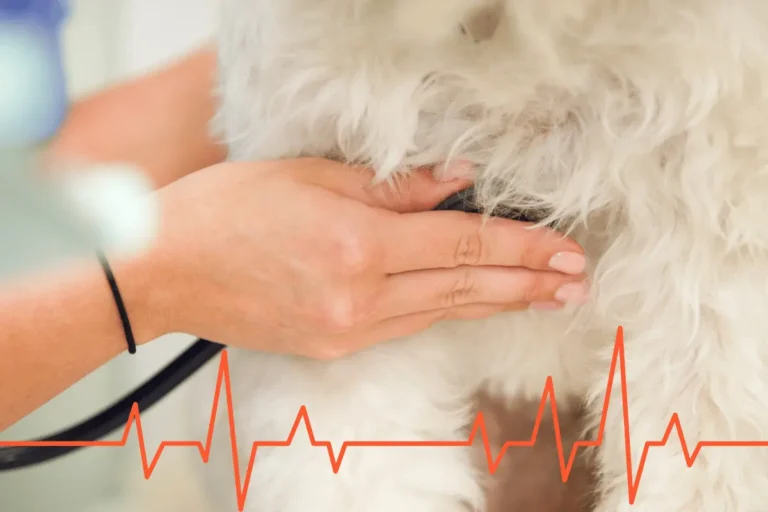
Diagnosis begins with cardiac auscultation - the vet can identify the presence of murmurs or irregular beats. Other signs and symptoms, such as a nocturnal cough, tiredness, purplish mucous membranes and fainting, can also suggest heart disease.
From there, complementary tests help to confirm the suspicion and classify the type of disease:
- Echocardiogram: shows the functioning of the heart in real time and is the main test to identify heart disease.
- Chest X-ray: assesses the size of the heart and the presence of fluid in the lungs.
- Electrocardiogram (ECG): detects arrhythmias.
- Blood tests: check kidney function, electrolytes and cardiac markers.
With this information, the vet will define the ideal treatment for each case.
Treatment and care
The treatment of heart disease in dogs depends on the type and severity of the disease. The aim is to improve heart function and prevent fluid accumulation.
Among the most commonly used drugs are
- Diuretics, such as furosemide, which reduce pulmonary edema;
- Vasodilators (enalapril, benazepril), which lower pressure and relieve heart strain;
- Inotropes, such as pimobendan, which strengthen the heart's contractions;
- Antiarrhythmics, in cases of irregular heartbeats.
The vet may also recommend supplements with taurine, L-carnitine and omega-3, which help with heart function.
Food and nutrition
Nutrition is one of the most important pillars in the prevention and treatment of canine heart disease. A balanced diet helps keep the heart strong, reduces inflammation and helps control risk factors such as obesity and hypertension.
When the dog has already been diagnosed with heart disease, the diet must be adapted to its metabolic needs and the stage of the disease.
Remember to only apply certain treatments and change your dog's nutrition with the advice of a veterinarian.
1. Sodium reduction
Excess salt is one of the heart's main enemies - it encourages fluid retention and raises blood pressure, overloading the heart muscle.
For this reason, therapeutic diets for cardiac patients have a reduced sodium content, helping to control swelling and the accumulation of fluids in the lungs and abdomen.
Avoid offering industrialized snacks, cheeses, cold cuts, sausages and any seasoned human food.
Even small amounts of salt can make a negative difference to dogs with heart failure.
2. Weight control
Overweight is a silent risk factor for heart disease. An obese dog requires more effort from the cardiovascular and respiratory systems to supply the body with oxygen.
Maintaining an ideal body weight significantly reduces the burden on the heart and improves the response to treatment.
Ask your vet to indicate the exact amount of food and calories per day, according to your pet's weight, age and activity level.
3. Essential nutrients for heart health
Some nutrients are particularly important for protecting the heart:
- Taurine and L-carnitine: amino acids involved in energy metabolism in the heart muscle. Taurine deficiency can lead to dilated cardiomyopathy.
- Omega-3 fatty acids (EPA and DHA): have an anti-inflammatory action, help with vessel elasticity and improve arrhythmia control.
- Natural antioxidants (vitamin E, C, selenium and coenzyme Q10): combat oxidative stress, reducing the premature ageing of heart cells.
- Magnesium and potassium: minerals that contribute to normal heart rhythm and proper muscle function.
A diet with these nutrients in balance helps keep the heart healthy even in elderly dogs, slowing down the progression of heart disease and reducing complications.
4. Functional foods and supportive nutrition
In addition to the basic nutrients, some functional foods can be allies of the heart:
- High purity fish oil (EPA/DHA) as a daily supplement;
- Turmeric extract and resveratrol, which have antioxidant and vascular-protective properties;
- Coenzyme Q10, important for energy production in heart cells.
These compounds, when prescribed correctly by the vet, help to reduce systemic inflammation and protect the heart muscle from degeneration.
5. Routine and habits
In addition to feeding, daily management directly influences cardiovascular health. Maintain a calm routine, with regular feeding times and short walks, avoiding exertion on very hot days.
Stress and excessive heat increase the heart rate and can precipitate heart failure crises.
What to do when your dog has heart disease
Discovering that your dog has a heart condition can be frightening, but with care and monitoring, he can live a long and happy life.
- Maintain treatment strictly as prescribed;
- Make regular visits and check-ups;
- Avoid stressful situations and excessive physical effort;
- Observe behavior: coughing, tiredness and shortness of breath require immediate attention;
- In emergencies (blue tongue, fainting, difficult breathing), take your pet to the vet immediately.
With constant monitoring, dogs with heart disease can live many quality years, even after diagnosis.
Frequently Asked Questions
What to do when your dog has heart disease?
Follow the treatment and keep regular appointments. Continuous medication, proper diet and monitoring of symptoms are essential.
What is the life expectancy of a dog with heart disease?
It depends on the type and stage of the disease. Dogs with early diagnosis and correct treatment can live for five years or more after diagnosis, with a good quality of life.
What medicine to give a dog with heart disease?
Only the vet can prescribe them. The most common are diuretics, vasodilators and inotropes, adjusted to each dog's needs.
What are the symptoms of a dog with heart disease?
Dry cough, easy tiredness, wheezing, purplish tongue and loss of appetite are the most common signs.
PetMoreTime believes that longevity is science and care
At PetMoreTime, we study the science of canine longevity to help dogs live longer and better.
Get to know our longevity program and count on us to learn, care for and extend their lives with love and knowledge.