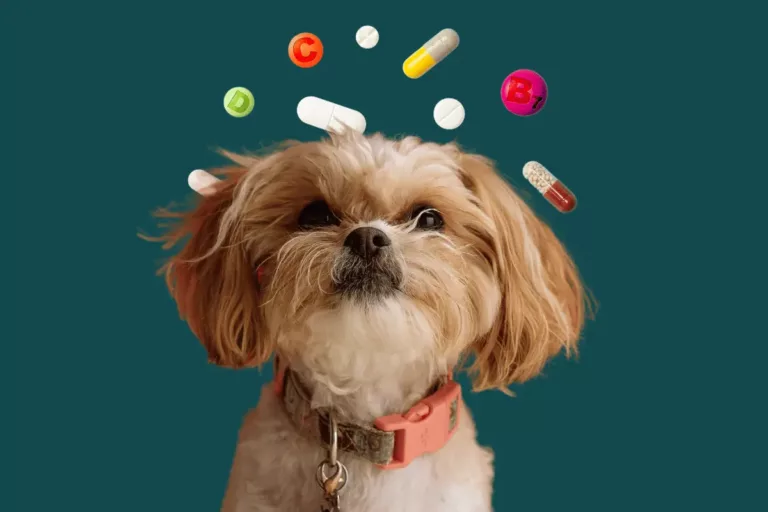
À medida que os cães envelhecem, suas necessidades nutricionais mudam, e muitas vezes a suplementação pode ser uma aliada para manter a saúde e a qualidade de vida. Mas nem toda suplementação é igual — vitaminas, suplementos articulares, ômega-3 e probióticos servem para coisas diferentes, e nem todo cachorro idoso precisa de todos eles.
Neste artigo, você vai entender a importância das vitaminas para cães idosos, quais outros tipos de suplemento existem, o que cada um faz e como saber se o seu cão realmente precisa de algum deles.
What is the importance of vitamins for elderly dogs?
Com o avanço da idade, os cães podem apresentar deficiência de algumas vitaminas e minerais essenciais para o funcionamento adequado do organismo. A suplementação pode ajudar a fortalecer o sistema imunológico, manter ossos e articulações saudáveis, apoiar a função cognitiva e contribuir para um envelhecimento mais equilibrado.
Vitamins perform essential functions such as:
- Improved immunity: helping to prevent diseases and infections.
- Manutenção da saúde articular: contribuindo para reduzir dores e inflamações.
- Suporte à saúde cognitiva: parte do cuidado com o declínio cognitivo associado à idade.
- Nutritional balance: compensating for possible dietary deficiencies.
Como saber se meu cachorro precisa de vitamina ou suplemento?
Nem todos os cães idosos precisam de suplementação. O ideal é observar sinais como:
- Queda de pelos excessiva ou pelos opacos (saiba mais sobre queda de pelo em cachorro idoso).
- Loss of energy and mood.
- Difficulty walking or standing up.
- Skin problems, weak or cracked nails.
- Perda de apetite e emagrecimento.
- Mental confusion or disorientation.
Se o seu cão apresenta um ou mais desses sinais, vale procurar um médico-veterinário para avaliar se há necessidade real de suplementação — e qual tipo faz sentido para o caso dele.
What is the best vitamin for elderly dogs?
A escolha da vitamina ideal depende das necessidades específicas de cada cão. Algumas das principais vitaminas e minerais para cães idosos incluem:
Vitamin A
Pode auxiliar na saúde da pele, da visão e no fortalecimento do sistema imunológico.
B-complex vitamins
Podem ser essenciais para a função neuromuscular, manutenção da energia e metabolismo adequado.
Vitamin D
Pode ajudar na absorção de cálcio e fósforo, contribuindo para a saúde óssea.
Vitamin E
Pode atuar como antioxidante, importante para a saúde celular.
Calcium
Pode contribuir para a manutenção da densidade óssea.
Lembre-se: consulte um veterinário antes de iniciar qualquer suplementação com o seu pet.
Suplemento para cachorro idoso: o que existe além da vitamina?
Vitaminas são só uma parte do universo da suplementação. Outras categorias, com funções diferentes, também costumam ser indicadas para cães na fase sênior:
Glucosamina e condroitina
Voltados para a saúde articular, esses compostos costumam ser indicados para cães com artrose ou outras condições que afetam a mobilidade, ajudando a apoiar a cartilagem e reduzir o desconforto articular.
Ômega-3
Os ácidos graxos ômega-3 têm ação anti-inflamatória e são frequentemente associados à saúde da pele e da pelagem, além de complementar o cuidado articular. Podem ser úteis em casos de irritações de pele, incluindo quadros de dermatite.
Probióticos
Ajudam a apoiar a saúde digestiva, especialmente relevante em cães idosos, que podem ter a flora intestinal mais sensível.
Antioxidantes
Compostos como a vitamina E e outros antioxidantes específicos são associados ao suporte à função cognitiva e à saúde celular de forma geral.
Cada uma dessas categorias atende a uma necessidade diferente — por isso a combinação ideal depende do que o seu cão realmente precisa, e não existe um “suplemento universal” que sirva para todos os casos.
Preciso passar no veterinário antes de oferecer suplementos?
Sim. A administração de vitaminas ou suplementos sem orientação pode causar desequilíbrios nutricionais e, em alguns casos, intoxicação. O veterinário é o profissional mais indicado para avaliar a saúde do seu cão e recomendar a suplementação adequada — incluindo dose e tipo de produto.
Portanto, antes de suplementar o seu pet com qualquer vitamina ou suplemento, confirme com um veterinário se há necessidade real e qual seria a opção mais indicada.
Como a PetMoreTime pode ajudar na longevidade canina?
A PetMoreTime oferece um programa individualizado para cães idosos, com suporte veterinário e suplementação avaliada caso a caso. O programa inclui:
- Fórmulas individualizadas, de acordo com as necessidades específicas do cão.
- Monitoramento contínuo, com exames e acompanhamento veterinário.
- Uso de tecnologia, como coleira inteligente para acompanhar dados de saúde, conforme o plano.
Com esse suporte, o objetivo é ajudar o seu pet a ter mais qualidade de vida ao longo do envelhecimento. Saiba mais sobre os cuidados com o cão idoso.
Dúvidas gerais
Is vitamin for elderly dogs fattening?
Depende da composição do produto. Algumas fórmulas podem conter calorias extras, por isso é importante manter uma alimentação equilibrada em paralelo.
Is too much vitamin bad for you?
Sim, o excesso de vitaminas pode levar a desequilíbrios e problemas de saúde. Por isso, a suplementação deve ser feita apenas com orientação veterinária.
Qual vitamina humana posso dar para o cachorro?
Nem toda vitamina humana é segura para cães — a dosagem e os ingredientes podem não ser adequados ao metabolismo dos pets. O ideal é sempre optar por suplementos formulados especificamente para cães, com orientação veterinária.
What to give an elderly dog with weak legs?
Além de suplementos como glucosamina, condroitina e cálcio, cães com fraqueza ou dificuldade de locomoção podem se beneficiar de fisioterapia, exercícios leves e, quando indicado, medicamentos prescritos por um veterinário.