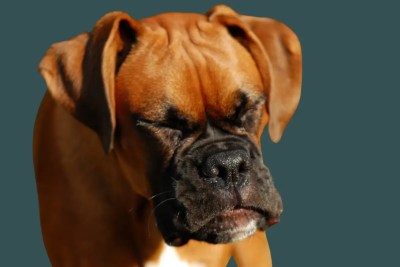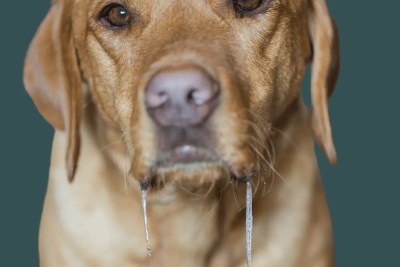
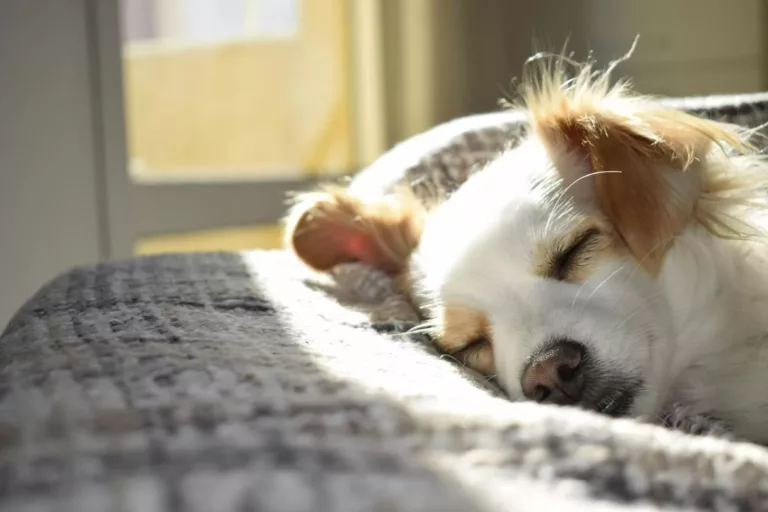
The years go by and suddenly you realize that that little puppy has grown up. His movements are slower, there is more white hair around his muzzle and his naps become more frequent throughout the day. At this stage, it's very common to wonder: what care should we take with an elderly dog?
Some people may think that senior food and occasional visits to the vet are the only care an elderly dog needs. In fact, there are many other things we can do to ensure that they enjoy this stage of life with good health and quality of life.
Below, we've listed a few precautions that make all the difference to the well-being of adult and elderly dogs.
Essential care for an elderly dog
Increase the frequency of visits to the vet
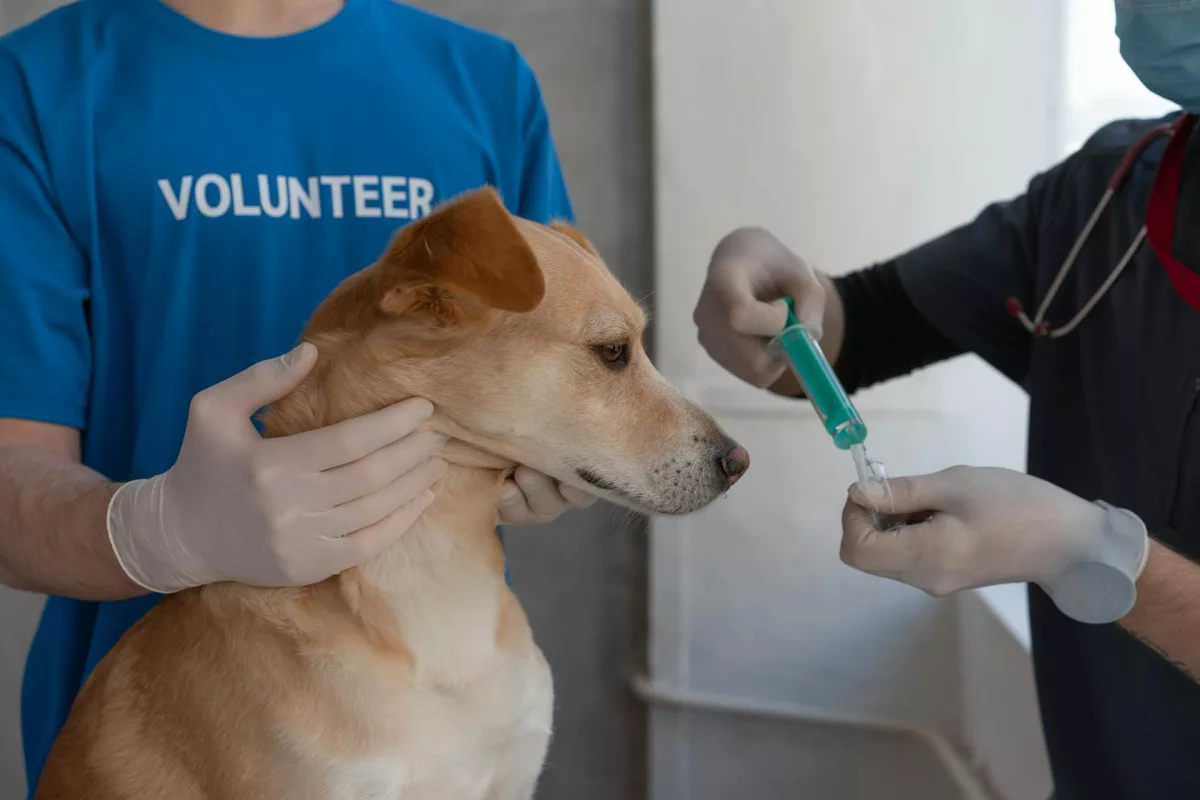
The vet plays a very important role in this stage of the elderly dog's life. Therefore, instead of restricting appointments to emergency situations, the tip is to increase veterinary check-ups to keep a close eye on the evolution of the pet's health.
This is one of the most important precautions for the elderly dog. The specialist may be able to identify subtle changes that make all the difference to an accurate and early diagnosis.
Consider taking out a health insurance plan for your friend. At this stage of life, having this resource can help avoid some financial surprises and facilitate access to complete treatment for your dog, should he need it.
A balanced diet
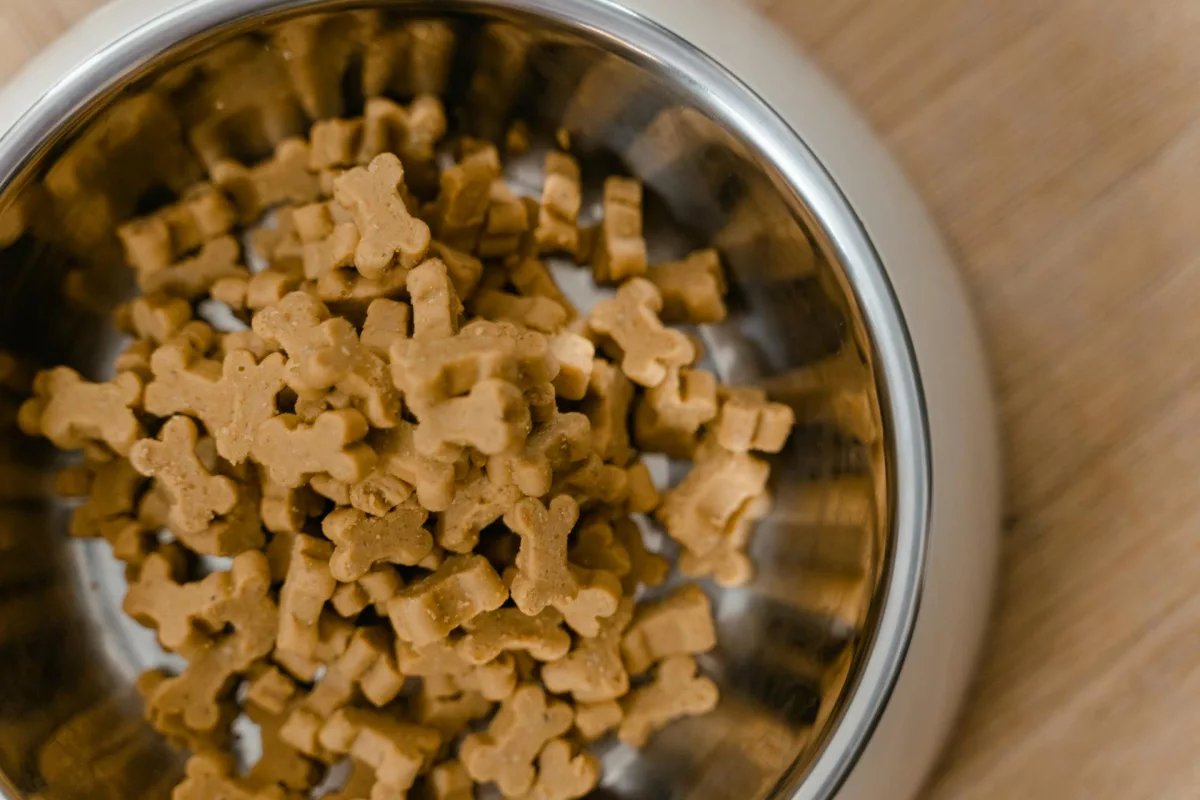
It's normal to want to "pamper" your senior dog a little more and offer them different foods from their basic daily ration. We understand that! The problem is that, at this stage, taking care of a senior dog's diet must come first.
As dogs get older, their metabolism starts to slow down and they burn fewer calories. Their ability to digest food and absorb nutrients is also impaired.
That's why following the diet to the letter is essential to prevent obesity and other metabolic disorders, such as type 2 diabetes. A veterinarian who specializes in nutrology can help you design an individualized and appropriate diet for your dog.
Remember, too, that a balanced diet suited to your pet's needs helps to meet their nutritional requirements, which is decisive in promoting healthier ageing.
Check for nutritional deficiencies
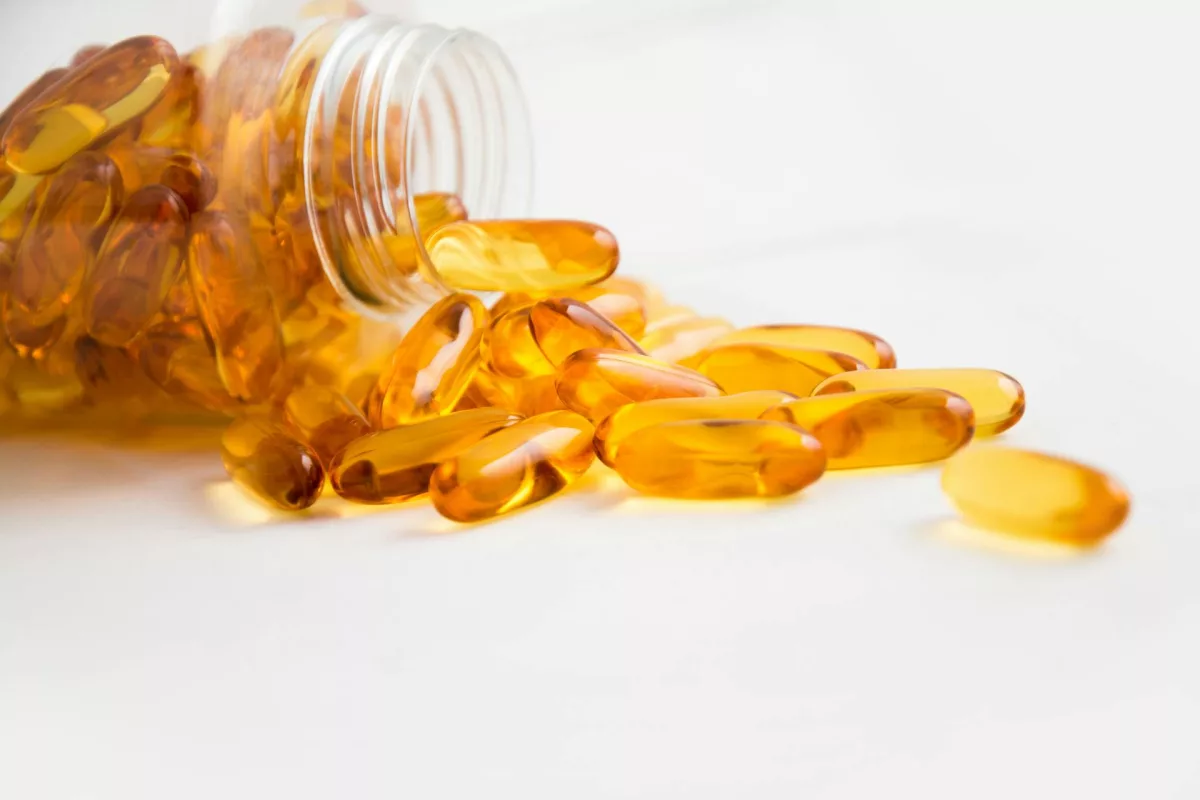
Just like us, dogs can suffer from nutritional deficiencies. In the case of elderly dogs, this can become more serious: as their immune system is weakened in old age, a lack of nutrients can facilitate the onset and progression of various diseases.
Other than that, it's worth remembering that aging also favors a series of biological changes that may require an individualized therapeutic approach, depending on your pet's breed, size and age.
There are nutraceuticals and drugs that can act on the Markers of Ageing, such as chronic inflammation, dysbiosis, mitochondrial dysfunction, cellular senescence, among others. We talk more about this in this post herein case you want to understand it better.
But remember: the decision to supplement vitamins or carry out a drug treatment should be taken in conjunction with the vet, okay?
Watch out for signs of discomfort
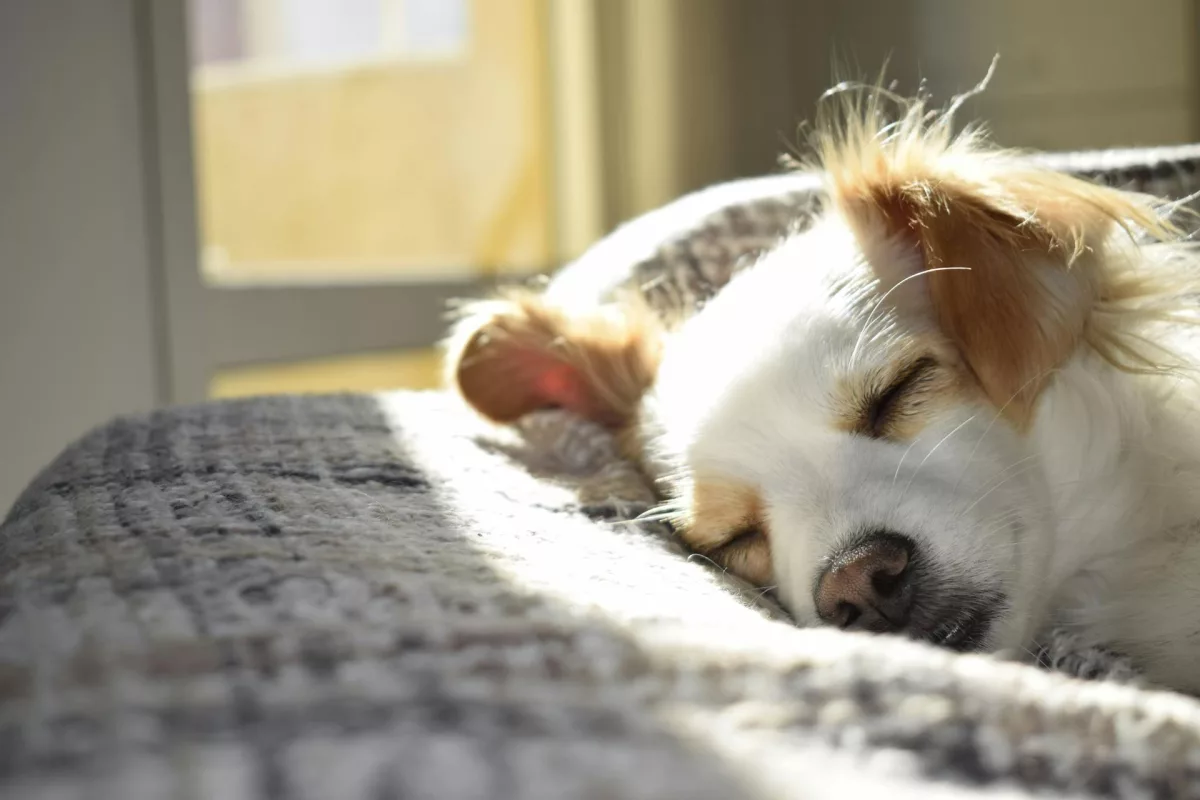
For humans, it's relatively "easy" to report discomfort or pain. That's not how it works with our canine friends. They can convey the message that something is wrong in other, more subtle ways:
- Lack of interest in playing;
- Collection;
- Difficulty getting around;
- Changes in appetite;
- Among others.
You know your pet better than anyone. Have you noticed something different in their behavior? Don't hesitate and make an appointment with the vet to make sure it's nothing serious.
Don't give up physical activity
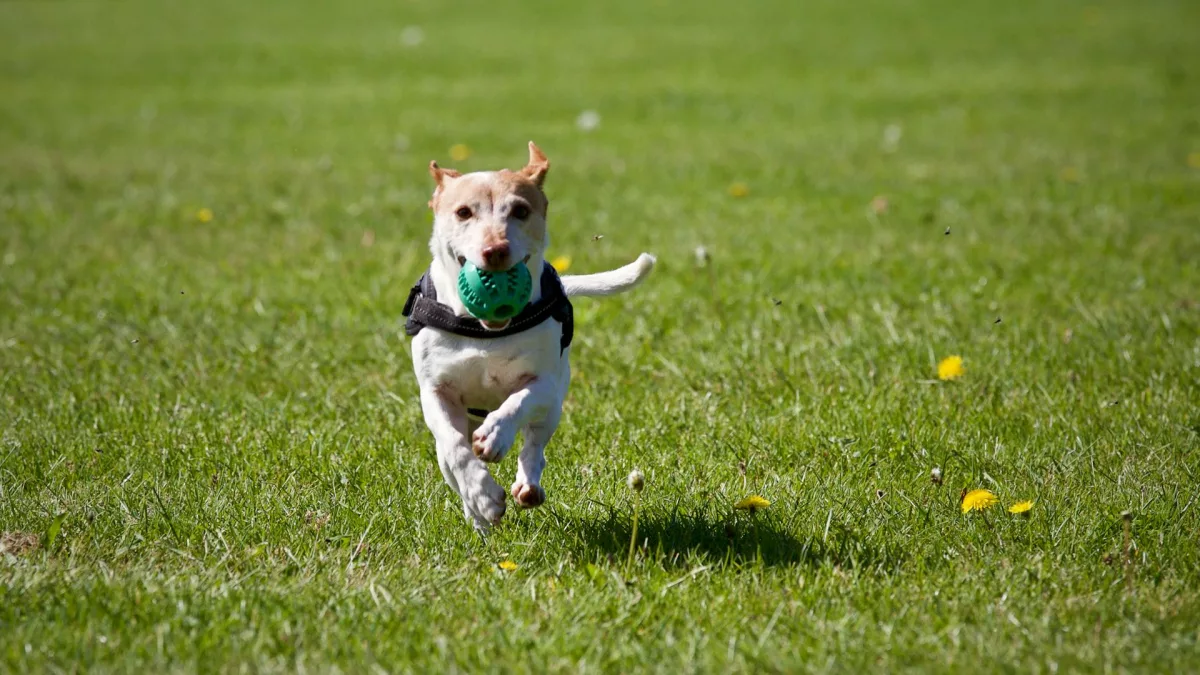
It's true that an elderly dog can be a little slower, sleepier and even quieter. But that doesn't mean they don't enjoy walking and playing as much as they did when they were puppies. Physical exercise is very good for canine health and should be maintained, as should stimulating play.
Of course, as they get older, the types of activity can change and become a little lighter. The important thing is not to stand still!
Try to maintain the frequency of walks during the day and look for activities that match your dog's state of health. It's worth playing ball, tug-of-war and even swimming, which is an excellent activity for maintaining mobility and preserving joints.
If you notice extreme fatigue in your dog, it's worth consulting a cardiologist. This symptom may be linked to cardiovascular alterations and deserves attention. Difficulty getting around is another warning sign that should be investigated by an orthopedist. Physiotherapy can be of great help at these times!
Take care of your oral hygiene
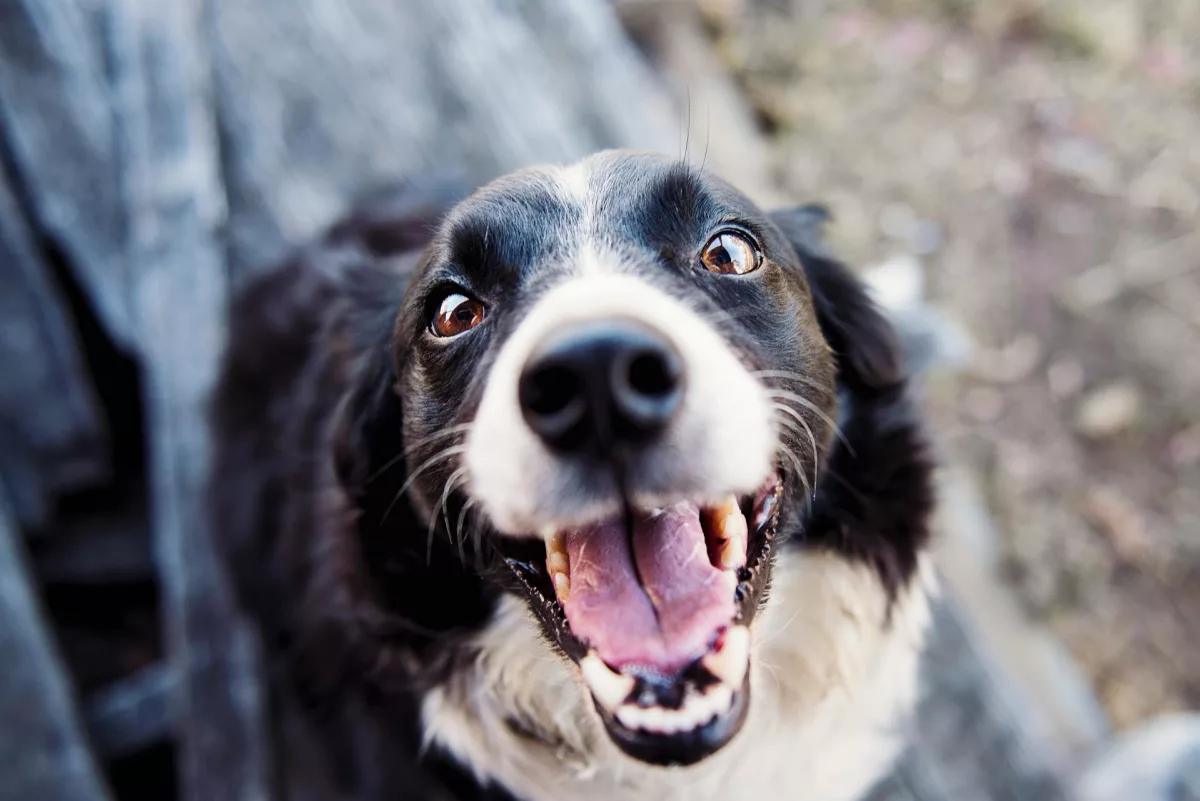
The oral health of elderly dogs should not be neglected. The build-up of tartar can stimulate the appearance of gum disease and develop into more serious conditions, leading to suffering and difficulty eating.
Worse still: your puppy could even suffer broken teeth!
So don't skip brushing, which should be done at least twice a day, and watch out for symptoms that indicate oral problems, such as pain and bleeding gums. If this is the case with your pet, see a veterinary dentist as soon as possible.
Invest in accessories and adaptations
Over the years, some everyday tasks become real challenges for our pets. Climbing stairs, sleeping on the bed, walking around the house... These are just a few examples.
For those dogs who have joint problems, one tip is to buy stairs or treadmills so that they can access their favorite furniture, such as the bed and sofa, without having to jump.
Another idea is to place non-slip mats or coin flooring on slippery surfaces, which will help keep your pet safer and more stable when walking.
If your elderly dog is having trouble getting around, try to keep his kennel, drinking bottle, food bowl and litter mat close by so that he doesn't have to move around so much each day.
Ageing is a natural and inevitable process - unfortunately. Still, we can strive to give our best friends more quality of life, independence and joy.