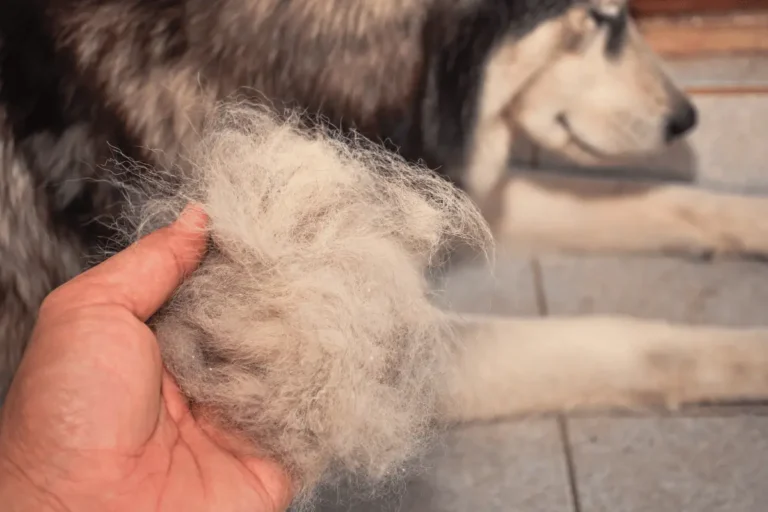
When puppies start to show symptoms of hair loss, it's very important that the owner investigates the possible causes with the vet in order to identify the best treatment. Although it may seem natural, hair loss can be uncomfortable and may have a more serious cause. Let's find out more about hair loss in this article.
What is hair loss in dogs?
Hair loss in dogs, also known as telogen effluvium, is a natural process that occurs throughout the animal's life. Just as humans lose hair every day, dogs shed old or damaged hairs to make way for new ones.
This change can occur lightly and continuously, or more intensely at certain times of the year, especially during spring and fall, when dogs adapt to climate change.
However, when hair loss is excessive, localized, accompanied by itching, redness, flaws in the coat or inflammation, it is no longer normal and may indicate a health problem. When hair loss is pathological, it can lead to thin or flawed hair and alopecia, where there is a total absence of hair in a certain area of the dog's body.
That's why understanding the difference between natural and pathological shedding is essential to ensuring your pet's well-being.
Possible causes of hair loss in dogs
Hair loss in dogs can have various causes, from completely natural factors to more serious health problems.
Localized falls with itching, sores or redness are signs that something may be wrong. In such cases, it is essential to seek veterinary advice.
Below we list the main ones:
Natural causes (common)
- Seasonal change: This usually happens in the fall and spring. This is when dogs change their coat to adapt to the climate. It can last from 1 to 2 months.
- Hair renewal cycle: Just like human hair, dog hair has a cycle of life, growth, rest and shedding. This occurs constantly throughout the year.
- Breed and type of hair: Short-haired dogs (such as Beagles and Labradors) tend to lose more hair on a daily basis than long-haired breeds (such as Poodles and Maltese).
Abnormal causes (require attention)
Dermatitis (inflammation of the skin): This is the general term for any skin inflammation, which can have a variety of causes, allergies, parasites, contact with irritants, infections (bacterial or fungal) or inadequate nutrition. The most common clinical signs include:
- Alopecia (absence of hair due to hair loss)
- Erythema (redness)
- Pruritus (itching)
- Scaling, scabs or lesions
- Changes in skin color or thickness
Among the most common conditions are: - Atopic dermatitis (chronic allergy)
- Allergic dermatitis to flea bites - DAPP
- Pyoderma (secondary bacterial infections)
- Mycoses (such as dermatophytosis)
- Parasite infestations: Fleas, ticks and mites (mange) cause intense itching, inflammation and hair loss.
- Allergies: These can be food, environmental (dust, pollen, cleaning products) or caused by products used on the pet (shampoo, perfumes). They cause itching and localized hair loss.
- Skin infections: Fungi (mycosis) and bacteria (pyoderma) can lead to hair loss, usually in specific areas.
- Nutritional deficiencies: Diets poor in nutrients, especially protein, zinc, omega-3 and biotin, weaken hair and increase hair loss.
- Hormonal imbalances: Diseases such as hypothyroidism and Cushing's Syndrome alter the hair cycle, leading to symmetrical hair loss.
- Stress and anxiety: Anxious or bored dogs may lick and scratch excessively, which damages the hair.
- Inappropriate use of medicines or products: Certain medicines or cosmetics that are not suitable for dogs can cause skin reactions.

Symptoms of hair loss in dogs
Not all hair loss is worrying. However, when it is accompanied by other signs, it may indicate something more serious.
Being aware of the associated symptoms helps the guardian to understand when it is time to seek professional help.
Check out the main alerts:
- Localized falls with visible flaws
- Intense or constant itching (also known as pruritus)
- Wounds, scabs, bruises or bleeding
- Redness, swelling or heat on the skin
- Scaling, dandruff or very dry skin
- Strong or abnormal smell coming from the skin
- Excessive licking in a specific area
- Appearance of lumps or hardened areas
- Compulsive licking or biting
- Dogs restless or irritable because of itching
- Withdrawal or discouragement, when the discomfort is great
Types of dog hair loss
There are various types of conditions that can lead to hair loss, but two types can be distinguished:
- Symmetrical (equal on both sides of the body): usually indicates hormonal causes (such as hypothyroidism).
- Asymmetrical or in isolated flaws: may suggest fungi, parasites or allergies.
If the hair loss is accompanied by any of these symptoms, don't try to treat it at home. Take your pet to the vet for the correct diagnosis and treatment.
Times of year with the most hair loss
Not everything can be a disease. Hair loss in dogs naturally increases at certain times of the year, especially during the change of seasons. This process is called seasonal moulting, the technical term for this natural shedding is telogen effluvium, and is part of the animal's body adapting to the climate.
When do dogs shed the most?
- Spring (September to November): The dog loses its thicker winter coat to adapt to the heat.
- Autumn (March to May): The lighter coat of summer is replaced by thicker strands that protect against the cold.
This change can last from 4 to 8 weeks and varies depending on the situation:
- The dog's breed
- The type of coat
- Exposure to sunlight
- The region of the country (tropical or colder climate)
Breeds that shed more hair
Some breeds have a natural tendency to lose more hair:
- Labrador Retriever
- Beagle
- Chow chow
- German Shepherd
- Akita
- Corgi
- Siberian Husky
- Golden Retriever
- Pug
- Alaskan malamute
- São Bernardo
- Beagle
- American Eskimo
- Rottweiler
These breeds have intense coat changes and require frequent brushing during these periods.
How to reduce and prevent dog hair loss
Although hair loss in dogs is often natural, it is possible to greatly reduce the amount of loose hair in the environment with some simple and effective care.
During the moulting season, brush your pet daily and keep hygiene up to date to better control loose hair in the house.
1) Brush your dog often
Regular brushing:
- Remove dead hair before it spreads around the house
- Stimulates skin circulation
- Helps distribute natural oiliness, leaving hair more beautiful and healthy
Use a brush suitable for your dog's coat type.
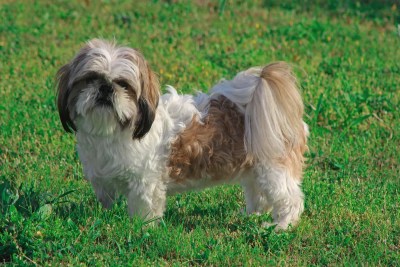
Dogs with short, dense hair (such as Labradors) need different brushes from dogs with long, fine hair (such as Shih-Tzus and Maltese).
2. Maintain a balanced hygiene routine
- Bi-weekly or monthly baths with shampoos suitable for dogs will help keep their skin clean and healthy.
- Avoid frequent bathing, which dries out the skin and encourages hair loss.
- While bathing, take the opportunity to remove loose hair with gloves or rubber brushes.
3. Sun exposure and daily walks
- Sunlight is beneficial for skin health and stimulates the production of vitamin D.
- Dogs that don't get enough sun or aren't walked often tend to be more stressed, which can contribute to excessive shedding.
4. Strict parasite control
- Use flea and tick treatments regularly.
- Keep the environment clean and free from sources of infestation.
- Ticks and mites can cause itching, allergies and skin diseases that lead to hair loss.
5. Reduce stress
- Environmental enrichment, interactive toys and a stable routine reduce the dog's stress.
- Dogs that are left alone for long periods or feel bored often lick or scratch their bodies excessively.
6. Regular veterinary appointments
- Check-ups help to detect any hormonal imbalances, dermatitis or allergies early on.
- The vet can advise on supplementation, dietary changes or specific treatments, if necessary.
Treatments and remedies for hair loss in dogs
Treatment for hair loss in dogs depends directly on the cause. Therefore, before seeking any remedy, it is essential to understand what is causing the hair loss, and this can only be done by a veterinarian.
If the shedding is intense, accompanied by itching, sores, bumps or a change in behavior, take the dog to the vet. The professional will be able to
- Perform skin examinations
- Evaluating food
- Investigate hormonal, parasitic or allergic diseases
The most common treatments, depending on the cause:
| Cause | Possible Treatment |
| Parasites (fleas, mites) | Topical or oral antiparasitics, repellent collars |
| Fungus or bacteria (mycosis) | Antifungal shampoos, antibiotics or oral antifungals |
| Allergies | Antihistamines, change of feed, environmental control |
| Nutritional deficiencies | Vitamin supplements and changes in diet |
| Hormonal problems | Hormone replacement (e.g. hypothyroidism) |
| Stress or compulsion | Changes in routine, environmental enrichment, in some cases natural or prescribed anxiolytics |
Avoid self-medication
- Don't use human shampoos or medicines on your pet.
- Do not apply creams or ointments without guidance.
- Inappropriate medication can worsen the condition and cause poisoning.
- Consult a vet!
Do anti-hair loss shampoos work?
Yes, as long as they are recommended by a professional. Specific dermatological shampoos for hair loss or dermatitis help treat irritation, control inflammation and relieve itching, favoring skin recovery.
Vitamins and food to strengthen your dog's coat
One of the most effective ways of preventing hair loss in dogs is to ensure that they get a complete and balanced diet. The animal's skin and hair are highly sensitive to nutritional deficiencies, and hair loss is often directly linked to a lack of proteins, good fats, vitamins and minerals.
Optimal nutrition
- Opt for super premium or prescription feed, with high quality ingredients and good digestibility.
- Avoid feed with too many dyes, preservatives or low-quality flour.
- Dogs with dietary restrictions may need special diets formulated by a vet.
Essential vitamins for healthy hair
Remember that vitamin supplements should only be administered with a veterinary prescription. An excess of certain nutrients can be harmful.
| Nutrient | Function | Natural Sources |
| Biotin (B7) | Strengthens hair, prevents hair loss | Boiled eggs, liver, carrots |
| Omega-3 and 6 | Reduces inflammation, improves shine and hair texture | Fish (salmon, sardines), fish oil |
| Zinc | Helps regenerate the skin | Lean meats, liver, seeds |
| Vitamin A | Essential for skin cell renewal | Carrot, pumpkin, liver |
| Vitamin E | Antioxidant, protects skin cells | Vegetable oils, leafy greens |
| Proteins | Raw material for hair formation (keratin) | Meat, eggs, soy (in balanced rations) |
Frequently asked questions about hair loss in dogs
What to do when your dog's hair is falling out a lot?
If the hair loss is sudden, intense or accompanied by itching, sores or blemishes, it's best to take your dog to the vet. This will help identify the cause (parasites, allergies, nutritional deficiency, etc.) and start the appropriate treatment. Regular brushing, good nutrition and stress management also help to reduce hair loss in dogs.
What is the best remedy for dog hair loss?
There is no single universal remedy. The best treatment depends on the cause. For mange, antiparasitic drugs are used; for allergies, antiallergic drugs; for nutritional deficiencies, supplements; for hormonal imbalances, specific drugs. It is therefore essential to consult a vet before medicating your pet.
What vitamin can stop hair loss in dogs?
The main vitamins that can help strengthen dogs' hair are:
- Biotin (vitamin B7)
- Omega-3 and 6
- Zinc
- Vitamin A
- Vitamin E
These nutrients help with skin regeneration and healthy coat growth. There are veterinary supplements available, but they should be used with professional advice.
What kind of illness causes a dog's hair to fall out?
Some of the most common diseases that cause hair loss are:
- Scabies (mites)
- Allergic dermatitis
- Mycoses
- Hypothyroidism
- Cushing's syndrome
All these conditions require specific veterinary diagnosis and treatment.
When do puppies lose their hair?
Dogs tend to lose more hair in the fall and spring due to seasonal shedding. This process lasts an average of 4 to 8 weeks and is more evident in breeds with dense coats, such as the Husky, Golden Retriever and German Spitz.
How to prevent hair loss in dogs?
You can reduce hair loss with:
- Frequent brushing (preferably daily)
- Quality food
- Flea and tick control
- Bathing with suitable shampoos
- Stress reduction and active routine
- Regular visits to the vet
Take care of your pet with someone who thinks about its future
If the health of your dog's coat matters to you, imagine what thorough grooming can do for his entire life.
O PetMoreTime Longevity Program Longevity Program was created for owners who want their pets to enjoy greater health, quality of life and vitality over the years.