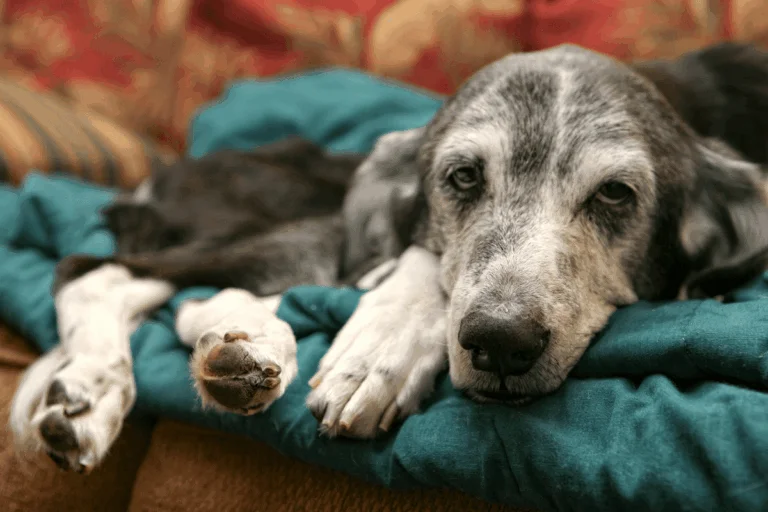
Is your senior dog coughing? Although coughing in elderly dogs is a natural response of the respiratory system, it requires special attention from their owners.
Unlike puppies, older dogs tend to cough more often due to the chronic diseases typical of ageing.
This symptom can be dry or productive and often signals more serious health conditions, such as heart failure or lung infections.
In the event of any episode of persistent coughing in a senior dog, it is very important to seek veterinary assessment to identify the cause and establish the appropriate treatment.
Main causes of coughing in elderly dogs
The most common conditions that cause coughing in senior dogs include:
Chronic bronchitis
This condition is quite common in older animals and is characterized by persistent inflammation of the bronchi. The typical symptom is a dry, continuous cough that interferes with normal breathing and tends to intensify during the colder periods of the year.
Heart disease
Several heart diseases can manifest a cough as a symptom, including congestive heart failure and heartworm disease. In these cases, the cough appears mainly in the advanced stages of the disease and is usually accompanied by other signs such as fatigue, wheezing and weight loss.
Tracheal collapse
This condition is especially common in small breeds and elderly dogs, causing partial obstruction of the trachea. The characteristic symptom is a dry, intense cough that resembles the sound of a goose squawking. Episodes tend to worsen with physical activity or exposure to heat.
Respiratory infections
Infectious agents such as viruses (dog flu), bacteria (pneumonia) and lung parasites can cause frequent coughing. Canine pneumonia, for example, results in a constant cough accompanied by difficulty breathing. Lungworms and other infections of the lower respiratory tract can also cause continuous episodes of coughing.

Allergies and environmental irritants
Substances such as dust, cigarette smoke and air pollutants can irritate the animal's throat, triggering a dry cough. This type of cough usually improves when the source of irritation is removed from the environment.
Presence of a foreign body
Occasionally, small objects such as grains of food can get stuck in the throat, causing a reflex cough. The so-called "horn cough" can occur when there is trauma to the neck due to improper use of the collar, irritating the trachea.
Other causes
Chest tumors or severe dental problems can also manifest as a secondary symptom.
Types of cough in elderly dogs
Identifying the type of cough is key to determining its underlying cause. The main types include:
Dry cough
It is characterized by a sound similar to choking or gargling, without the production of phlegm. This type usually indicates inflammation of the throat or trachea, and is common in cases of chronic bronchitis and infectious tracheobronchitis. Dry cough is irritative in nature and is often accompanied by sneezing and a low-grade fever. It is essential to seek veterinary assessment for proper investigation and prescription of specific treatment, which may include appropriate syrups or medications.
Wet (productive) cough
It involves expectoration of mucus or, in more serious cases, blood. This type signals a lung infection, such as pneumonia or acute bronchitis, and can also appear in some cases of heart failure. Although it can be partially relieved with cold air due to the expulsion of secretions, it always requires immediate veterinary intervention.
Goose cough
It produces a characteristic "choking" noise, which is especially common in small breeds suffering from tracheal collapse. The animal seems to "scream" when coughing, indicating obstruction or collapse of the trachea. This condition requires urgent veterinary consultation, as treatment can range from anti-inflammatories to surgical procedures in severe cases.
Horn cough
A persistent manifestation caused by excessive pressure on the neck, usually caused by very tight collars or repeated sudden movements. It has a high-pitched sound and causes breathing difficulties. Proper correction of the equipment and treatment of tracheal irritation should be advised by a veterinary professional.
Cardiac cough
In dogs with heart disease, such as mitral valve degeneration, the cough tends to be dry and chronic. It occurs mainly at night or when the animal is lying down, as the accumulation of fluid in the lungs during rest irritates the cough receptors.
The excess fluid presses on the lung tissues, triggering this reflex.
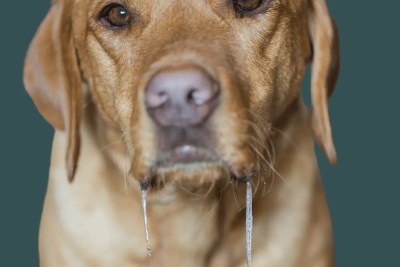
In advanced stages, it may be accompanied by white foam (frothy saliva), a typical characteristic of dogs with heart disease. This cough progresses gradually, causing shortness of breath and increasing fatigue.
When is an elderly dog's cough worrying?
If your dog has one of the symptoms described below, stay calm and seek veterinary help.
The first type of cough that is worrying is a cough that seems to be suffocating the dog. It's as if they can no longer breathe and calm down. This could be caused by a foreign body stuck in his throat (respiratory obstruction).
Another sign of concern is if the elderly dog has abnormal discharge coming from its mouth. For example, white foam or bloody phlegm could be signs of something more serious.
If the elderly dog's tongue or gums are blue (cyanosis), you should also seek veterinary advice immediately. This can be accompanied by fainting and difficulty breathing.
If the cough persists for 1-2 weeks or gets worse, see a vet. And if, when coughing, the dog seems exhausted or starts to lose weight, this could be a sign of a heart or lung problem. Seek veterinary help.
Treatment for Cough in Elderly Dogs
The treatment of coughing in elderly dogs should always focus on the main cause of the problem.
The vet, after carrying out the necessary tests such as lung auscultation or X-rays, will indicate the appropriate medication - which can range from antitussives to antibiotics or diuretics in the case of heart problems.
It's very important never to give humans medicines without professional advice!
Some home measures can help relieve symptoms while the main treatment takes effect.
Keeping your dog well hydrated, with fresh water always available and even offering wet food can help. Humidifying the room with a vaporizer also relieves throat irritation and helps loosen mucus.
Steam inhalation can also be beneficial. You can leave a bowl of hot (not boiling!) water near the dog, taking care not to burn its nose, so that it can inhale the steam. And of course, keeping the animal at rest, warm and away from dust or smoke is essential.
But remember: these home remedies are only palliatives.
Depending on the cause of the cough, the vet may need to prescribe antibiotics (for infections), anti-inflammatories or even indicate surgery in more serious cases such as tracheal collapse.
The golden rule is to always follow the advice of a professional - never medicate your dog on your own.
The most important thing is to treat the disease that is causing the cough, not just the symptoms. Therefore, if you notice a persistent cough in an elderly dog, the first thing to do is take him to the vet for a correct diagnosis.