
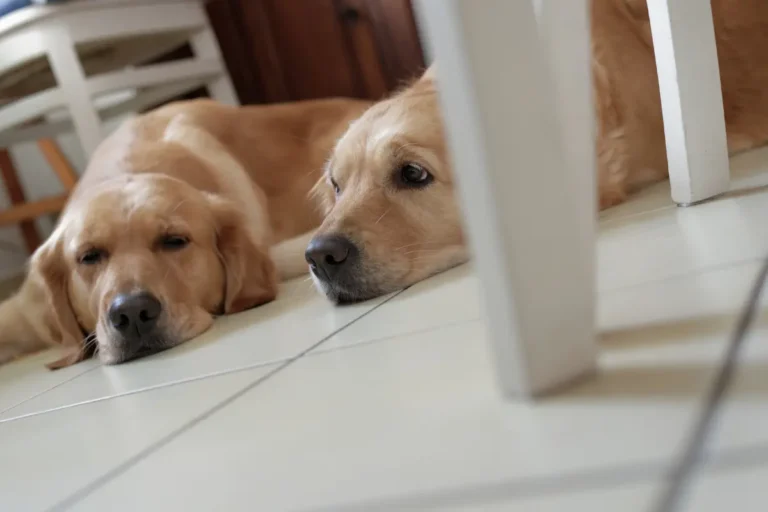
It's common for dogs to start changing their sleeping patterns over the years.
Many owners report that their elderly dog is restless at night, wanders around the house, cries or simply can't rest as he used to.
But why does this happen? And what can be done to help your dog have peaceful nights again? Let's understand.
Why don't old dogs sleep at night?
Dogs' sleep, like that of humans, changes with age.
As animals age, their metabolism slows down, their cognition can change and chronic diseases can appear. All of this affects the circadian rhythm - the "biological clock" that regulates the cycle of sleep and wakefulness.
Some of the most common causes include
1. Cognitive dysfunction syndrome (CDS)
Elderly dogs with cognitive decline have trouble sleeping, just as humans with dementia do.
CDS is the canine equivalent of Alzheimer's. Dogs with CDS may show mental confusion, disorientation and a reversal of their sleep cycle, sleeping during the day and becoming agitated at night.
Other signs include barking for no reason, walking in circles and difficulty recognizing familiar people or places.
2. Physical pain or discomfort
Joint problems (such as arthrosisdysplasia), muscle pain and chronic illnesses can cause restlessness.
If your elderly dog is crying at night, it's important to investigate whether there's pain, as it usually intensifies during rest.
3. Loss of hearing or sight
Reduced hearing and vision can lead to insecurity and anxiety at night, especially in dark or silent environments. The dog may be frightened by shadows, distant sounds or feel disoriented.

4. Hormonal changes
Hormonal dysfunctions, such as hypothyroidism or Cushing's syndrome, can interfere with sleep and behavior.
These conditions are common in elderly dogs and should be evaluated with laboratory tests.
5. Separation anxiety
Older dogs can also develop nocturnal anxiety, especially if they sleep away from their guardian. Fear and loneliness can lead them to cry, bark, spin around or walk restlessly in the early hours of the morning.
What to do when your elderly dog is restless at night
The good news is that, in most cases, it is possible to improve an elderly dog's sleep with simple adjustments to the routine, appropriate stimulation and targeted supplementation.
1. Create a comfortable and predictable environment
- Maintain a routine schedule (food, walks, medication).
- Avoid loud noises and light the resting area softly.
- Place an orthopaedic bed in a quiet place, protected from draughts.
2. Maintain cognitive stimuli during the day
Smelling games, interactive toys and short walks help to keep the brain active and reduce night-time confusion.
A physically and mentally "tired" elderly dog tends to sleep better at night.
3. Check for pain
If the dog is restless, crying or constantly changing position, there may be joint or muscle pain.
Talk to your vet about painkillers, chondroprotectors and supplements for joint support, such as omega-3 and type II collagen.
4. Bet on supplements that promote relaxation
The use of supplements for elderly dogs can be very helpful in controlling night-time agitation.
Some natural compounds that have been studied include:
- Tryptophan: precursor of serotonin, helps with relaxation and improves sleep quality.
- Magnesium and vitamin B6: contribute to neuromuscular balance.
- Melatonin: a sleep hormone that can be used in cases of insomnia.
- Phosphorus and brain antioxidants: help maintain cognitive function in elderly dogs.
Always consult your veterinarian before starting any supplement for elderly dogs correct use can improve sleep, but the dosage and type of product must be customized.
5. Avoid over-the-counter medication
Some owners try to solve the problem with medication to induce their elderly dog to sleep at night, but this can be dangerous.
Sedative drugs can cause a drop in pressure, mental confusion and the risk of falls.
Always choose safe, natural solutions under veterinary supervision.
Elderly dog crying at night, what could it be?
Crying at night can have different meanings.
In elderly dogs, it usually indicates discomfort, pain, anxiety or mental confusion.
Try to observe:
- Does he cry right after turning off the lights? It could be fear or loneliness.
- Crying at dawn, alternating with moans? This could indicate pain.
- Are you restless and seem lost? It could be cognitive dysfunction.
Recording videos and writing down the times can help the vet identify the pattern and indicate the most appropriate treatment.
When to go to the vet?
If the problem persists for more than a few days, it is essential to seek clinical evaluation.
The professional will be able to carry out blood tests, urinalysis, neurological and orthopedic assessments, and indicate specific therapies.
In some cases, treatment is combined:
- Cognitive and antioxidant supplementation;
- Analgesics and anti-inflammatories;
- Environmental enrichment therapies;
- Hormonal and nutritional adjustments.
With continuous monitoring and adjustments, many elderly dogs sleep well again, and so do their owners.
Taking care of sleep is taking care of longevity
Sleep is one of the pillars of canine longevity.
Sleeping well regulates metabolism, strengthens the immune system and maintains cognitive balance.
So if your elderly dog is restless at night, treat the symptom as a sign that something needs attention, be it physical, emotional or cognitive.
With the right support, they can return to calm nights and energetic days.
So how about getting to know PetMoreTime's longevity program? In it, we cover the most advanced science and technology to help your dog live longer and better.