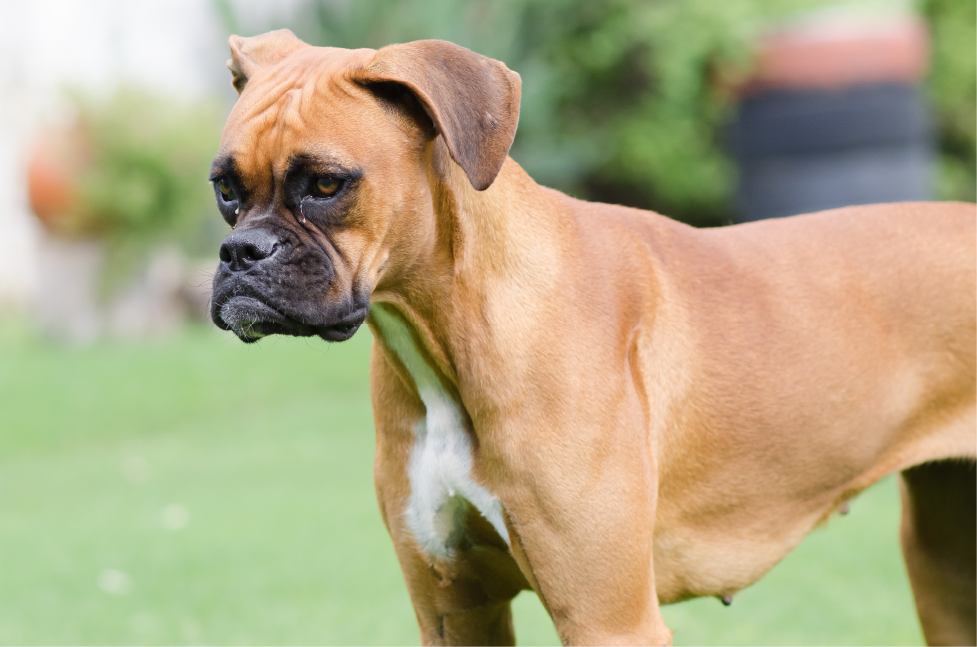
Boxer: Life Expectancy and How to Extend Their Lifespan

The Boxer is a breed of German origin, known worldwide for its playful, loyal, and eternally youthful temperament. Often called the “Peter Pan” of dogs, it combines powerful musculature with a curious expression, making it an excellent family protector and a tireless companion for physical activities.

Characteristics of the Boxer

🐕 Size: Large
🐕 Average weight: 25 kg to 32 kg
🐕 Height: 53 cm to 63 cm at the withers
🐕 Genetic predispositions: Neoplasms, heart disease, and digestive sensitivity
🐕 Body structure: Compact, square, and athletic, with a deep chest and vigorous movement
🐕 Coat: Short, shiny, and close-fitting, in fawn or brindle, with or without white markings

How long does a Boxer live?

boxer

The average life expectancy of a Boxer is between 10 and 12 years.

Because this is a large breed of dog with a high metabolic rate, its lifespan is directly linked to early cancer and cardiac screening.

This breed has a strong biological response to inflammatory processes, making dietary control and the prevention of oxidative stress essential. Keeping Boxers active, but without causing them to overheat, helps preserve myocardial strength and overall health as they age.

boxer

Check your dog's aging curve

Want to know how to improve your dog's quality of life as they age?

PetMoretime specializes in veterinary gerontology and offers a personalized longevity program for your dog.

WhatsApp

Health Issues Associated with Aging in Boxers

Signs of Aging in Boxers

boxer
Appearance of skin lumps: Boxers are extremely prone to skin tumors; any new lump should be evaluated by an oncologist.
Fainting or sudden fatigue: These may indicate cardiac arrhythmias or congenital heart disease, requiring urgent cardiac evaluation.
Difficulty walking on the hind legs: Dragging the legs or weakness may indicate degenerative myelopathy or spondylosis.
Weight gain and dry skin: Metabolic changes associated with hypothyroidism or Cushing’s syndrome become common in older adults.
Frequent loose stools: Chronic gastroenteritis may worsen with age, requiring easily digestible diets.
Stiffness when getting up: Joint wear and tear (osteoarthritis) causes the animal to lose the agility typical of jumping and running.

Most of these diseases begin silently.

PetMoretime can track and prevent diseases before they appear through continuous monitoring.

WhatsApp

Boxer Behavior

Sociability
Trainability
Energy level
Motivation for food

Lifetime cost

In addition to the initial investment, it is important to consider:

Quality food
Veterinary consultations
Vaccinations and tests
Possible orthopedic or cardiac treatments

How to Increase a Boxer's Life Expectancy

To increase the life expectancy of Boxers, preventive cancer screening should be rigorous, including monthly physical examinations to detect lumps at an early stage.

Annual cardiac tests (such as Holter monitoring and echocardiograms) are essential for monitoring arrhythmias and hypertrophic cardiomyopathy.

Maintaining a healthy weight is crucial for avoiding strain on the spine and minimizing the effects of osteoarthritis.

A hypoallergenic or highly digestible diet helps control dermatitis and gastroenteritis, while hormonal management (thyroid/adrenal) ensures that the animal maintains its energy and vitality for much longer.

dogs

Longevity does not depend solely on genetics.

It can be monitored.

Learn how PetMoreTime monitors markers that indicate accelerated aging.

WhatsApp