Just like us, dogs also go through a natural aging process. Canine ageing goes far beyond visible signs such as white hair or decreased energy; it is a series of internal and external changes that affect the animal's general health, impacting multiple body systems.
Understanding what canine aging is and recognizing the signs it presents is essential to ensure that your dog receives proper care and ages with health and quality of life.
In this article, we'll look at the main signs of aging in dogs, what you can do to help your pet age better and what special care is needed during this phase.
How does Canine Ageing work?
Canine aging is a natural biological process that affects a dog's body and mind as he gets older.
Like other mammals, the dog's body goes through a series of degenerative changes, which result in the progressive loss of physiological functions.
Ageing affects multiple body systems, including the cardiovascular, musculoskeletal, nervous and immune systems.
Genetic, environmental and lifestyle factors influence the way dogs age. Cellular decline and reduced regeneration capacity make the animal more vulnerable to age-related diseases such as heart problems, arthritis, loss of sight and hearing, and cognitive dysfunction
Understanding how ageing works is crucial to taking better care of elderly dogs and ensuring their quality of life.
What are the signs of an elderly dog?
As a dog gets older, various signs begin to appear. Recognizing these signs is essential for adapting care and ensuring the animal's well-being. Here are some of the main signs of ageing in dogs:
Difficulty moving
Elderly dogs may have difficulty climbing stairs, jumping into the car or getting up after a rest. Reduced mobility, such as weakness in the hind legs, can indicate arthritis or other degenerative conditions. Adjusting the level of physical activity with shorter walks or low-impact exercises such as swimming can help.
Lethargy
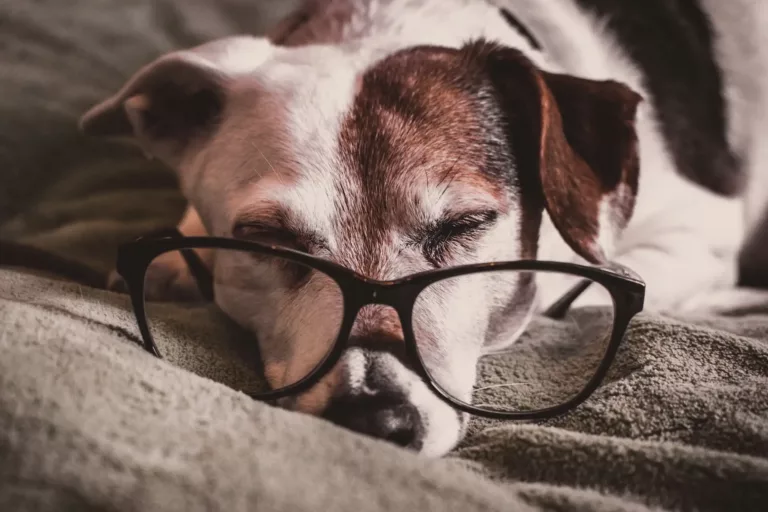
Reduced energy is common in older dogs. They tend to sleep more and tire more easily during activities that used to be done effortlessly. Lethargy can be a natural sign of ageing, but it can also be associated with illnesses such as heart problems or hormonal dysfunctions.
Difficulty seeing
Over time, a dog's eyes can become blurry and their vision can deteriorate. This can result in accidents, such as bumping into objects or difficulty finding familiar items.
Cloudy eyes can be a symptom of canine cataracts or other eye conditions.
Hearing Loss
Hearing also declines as dogs get older. A dog that no longer responds to its owner's call or seems disoriented in noisy environments may be suffering from hearing loss, something that is very common in old age.
Gray hair
Just like in humans, dogs' hair can start to gray, especially around the muzzle and paws. Although this is one of the most visible signs of aging, it is only part of the general aging process.
Other signs of canine ageing
In addition to the signs mentioned above, there are other indications that your dog is aging:
- Reduced mobility: Difficulty walking or standing up.
- Loss of appetite: Lack of interest in food can signal health problems.
- Weight changes: Significant weight gain or loss can be a symptom of metabolic or digestive problems.
- Lumps and bumps: The appearance of nodules, which should be assessed by a veterinarian.
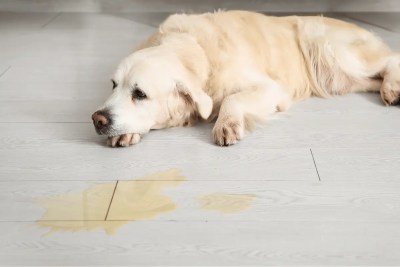
- Incontinence: Difficulties urinating or defecating can indicate kidney problems or infections.
Caring for an elderly dog involves understanding and treating these signs with the appropriate follow-up from a veterinarian. Early detection and personalized canine aging care can ensure that your dog ages with health and well-being.
From what age is a dog considered old?
The age at which a dog is considered elderly varies according to its size, breed and individual conditions. According to the Zoetis report, the average age at which dogs enter the elderly phase is:
- Dogs up to 9 kg: Considered elderly at around 10 to 11 years old.
- Dogs between 9.5 kg and 22.7 kg: They age from 9 to 10 years.
- Dogs between 23 kg and 41 kg: They enter the elderly phase at around 8 to 9 years of age.
- Dogs over 40.8 kg: They are considered elderly from the age of 7 to 8.
These variations are directly related to the size of the animal, with larger dogs aging faster than smaller ones. In addition, factors such as genetics, diet, lifestyle and veterinary care play an important role in the quality of life during old age.
Average life expectancy of each dog breed
On average, dogs live between 10 and 13 years, but this life expectancy can be quite different depending on the size and specific characteristics of each dog. Factors such as genetics, veterinary care and lifestyle also have a direct influence on the ageing process.
- Large dogs, such as Labradors, Golden Retrievers and German Shepherds, tend to age earlier and live around 8 to 12 years. These dogs undergo rapid growth and are more susceptible to diseases such as hip dysplasia and heart problems, as well as being more prone to cancer. For example, a Saint Bernard, due to its imposing size, usually has a shorter lifespan, while Labradors can live a little longer, as they are less predisposed to serious illnesses.
- Small dogs, such as Chihuahuas, Poodles and Shih Tzus, usually age more slowly and live for around 12 to 15 years, with some reaching up to 18 years. The Shih Tzu, for example, can live up to 11 years on average. Because these smaller dogs grow more slowly and generally have fewer serious health problems, they tend to live longer.
Although size is a determining factor in the ageing process, the environment and the care a dog receives throughout its life also play an important role in prolonging its health and well-being in old age.
How can you prolong your dog's life?
Prolonging your dog's life involves continuous care that goes beyond the basics. Ensuring that your dog lives a healthy and long life requires a combination of exercise, proper nutrition, veterinary monitoring and, of course, specialized treatments.
Here are some effective ways to increase your pet's life expectancy and mitigate the effects of canine ageing:
Exercise regularly
Keeping your dog active is one of the most important ways of ensuring a healthy life. Physical exercise helps to control weight, strengthen muscles and joints, and improve the cardiovascular system.
Whether it's daily walks, playing in the park or swimming, it's essential to adapt the exercises to the dog's age and size to avoid overloading. Elderly dogs can benefit from low-impact activities such as short walks or swimming.
Offer a nutritious diet according to age
A balanced and nutritious diet is essential for prolonging your dog's life. As dogs get older, their nutritional needs change. Offer food that meets their age requirements, with the right amount of protein, vitamins and minerals.
Food formulated for senior dogs is especially important as it contains nutrients that help maintain joint health, improve digestion and prevent weight gain.
Avoid excesses and ensure that the food is suitable for your dog's size and state of health.
Make regular appointments with vets
Regular veterinary appointments are essential to monitor your dog's health, especially as he gets older.
These visits allow for the early detection of health problems such as heart disease, arthritis or kidney dysfunction, which are common in elderly dogs. Frequent monitoring also enables adjustments to be made to diet and exercise, as well as the administration of preventative or corrective medication.
Ideally, older dogs should have a veterinary check-up at least twice a year.
Get to know PetMoreTime and discover how our products, based on the longevity sciencecan offer the best care for your pet.