Imagine a summer's day, the sun is shining and you're wearing shorts and a t-shirt, but you're still feeling the heat. Now think of your dog: he's there, with all that fur, unable to take off his coat or complain about the heat.
Yes, dogs feel heat, and often more than we realize!
Dogs don't have the same ability to regulate their body temperature as we do. They don't sweat through their skin like humans, and rely mainly on panting to cool themselves down.
That's why it's essential to understand how the heat affects your pet and what you can do to help.
How can you tell if your dog is hot?
Dogs give clear signals when they're hot, and it's important that their owners know how to identify them. Here are the main ones:
- Gasping for breath
- Tongue hanging out and excessive salivation
- Fatigue and prostration
- Looking for cold surfaces
- Dry or red gums
- Vomiting or diarrhea
- Accelerated Heart
If you notice any of these signs, it's time to take action to cool your pet down.
What are the risks of heat for dogs?
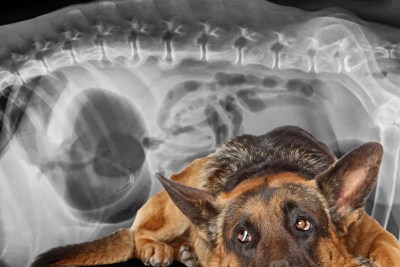
Excessive heat can pose serious health risks for your dog. One of the most dangerous is canine hyperthermia, which occurs when the animal's body temperature rises above normal (on average, above 39°C).
Hyperthermia can lead to serious complications such as:
- Dehydration: Excessive fluid loss can cause weakness and even organ failure.
- Burns on the paws: Hot asphalt can cause serious burns to the pads of the paws.
- HeatstrokeIn extreme cases, the dog may suffer convulsions, faint and even die.
That's why it's essential to take measures to protect your pet on the hottest days.
What is canine hyperthermia and how can it be prevented?
Canine hyperthermia is a serious condition that occurs when a dog's body can no longer regulate its temperature. This can happen on very hot days or when the pet is exposed to situations of intense heat, such as being in a closed car.
Symptoms of hyperthermia:
- Accelerated breathing and panting
- Red or bluish gums
- Vomiting or diarrhea
- Weakness or fainting
How to prevent it:
Avoid walks at hot times
Prefer to walk your pet in the early morning or late afternoon.
Never leave your dog in the car
Even with the windows open, the temperature inside a car can rise quickly.
Offer fresh water
Keep water available at a cool temperature at all times.
Use cooling mats
These mats are made of cool materials and help keep your pet comfortable.
If you suspect your dog has hyperthermia, take him to the vet immediately.

What can I do to relieve my dog's heat?
Now that you know the risks, let's move on to practical tips for cooling your pet:
Wet towels
Wipe the dog's body with a towel soaked in cold water, especially the belly and paws.
Refreshing toys
There are toys that can be frozen to help your dog cool down.
Fan or air conditioning
Use the fan indirectly or keep the air-conditioned room at a pleasant temperature.
Pet popsicles
Make homemade popsicles with dog-safe fruit, such as watermelon (without seeds) or apples.
Watch out for asphalt
Before going for a walk, check the temperature of the ground with the palm of your hand. If it's warm for you, it'll be warm for the dog.
Avoid going out to exercise your dog at hot times, as this can trigger a strong heat wave in the dog.
Can I put in a dog fan?
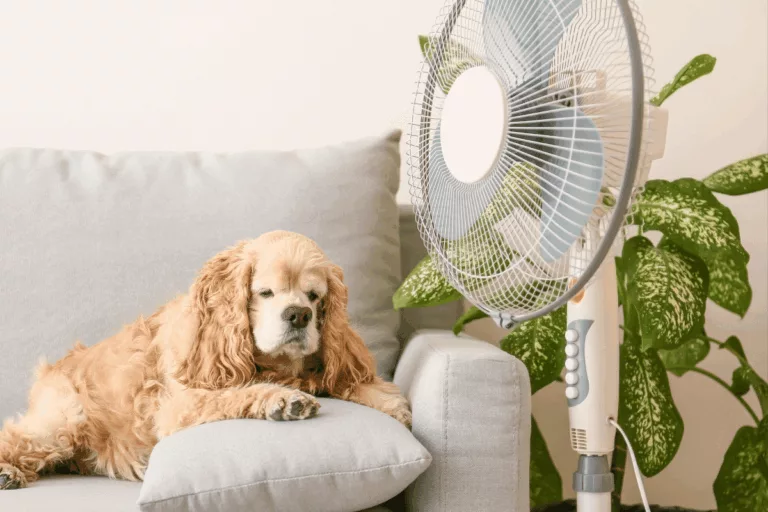
The fan can be used to cool your dog, but be careful not to direct the wind directly at him for too long. For better cooling, use the fan in conjunction with other strategies, such as damp towels or a cold floor.
Always watch your dog's behavior and turn off the fan if he seems bothered.
To shear or not to shear?
A dog's coat is a natural protection against heat, cold and external agents. Grooming can impair this function, especially in breeds with double or dense coats.
Instead of total clipping, invest in regular brushing, proper baths and hygienic clipping to keep the coat healthy and the pet comfortable. The coat is an ally, not a villain!
Dogs feel hot, and it's our responsibility as guardians to make sure they're comfortable and safe on the hottest days.
Remember: a refreshed dog is a happy dog!
At PetMoreTime, you can find more content like this to care for your pet with love and attention.
Find out more about our Pet Longevity Program and book a free chat with our head veterinarian.