
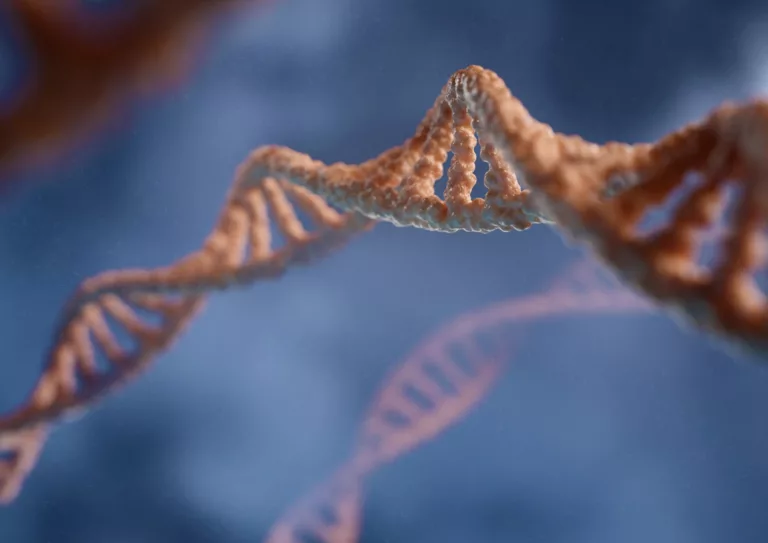
Genetic and epigenetic testing are essential tools in modern veterinary medicine, helping to provide an in-depth understanding of aspects of dog health, longevity and well-being.
These tests provide detailed information about a dog's genetic make-up and the environmental influences on gene expression, helping in the prevention, diagnosis and management of various health conditions.
You will now learn what genetic and epigenetic tests are, their importance in promoting canine longevity and how each of them works, with a particular focus on epigenetic clocks.
Understanding genetic testing
Genetic tests analyze a dog's DNA to identify specific genetic markers associated with health conditions, physical characteristics and clues about the breed.
These tests have become increasingly popular among dog owners and breeders due to their ability to predict potential health problems and inform breeding decisions.
The way these genetic tests work is quite simple: it just involves taking a DNA sample from the dog, usually through a mouth swab or blood sample.
This sample is then analyzed in a laboratory to identify genetic variations. The main steps include:
- Sample collection: a non-invasive buccal swab or a small blood sample is taken from the dog.
- DNA extraction: DNA is extracted from the collected cells.
- Sequencing and analysis: DNA is sequenced to read the genetic code, and specific markers are analyzed to identify variations linked to health conditions or characteristics.
- Report: the results are compiled into a report, detailing any genetic predispositions, breed information and other relevant data.
The tests can provide important clues about the dog's genetic factors, which have an impact on its health in the medium and long term. With a detailed analysis, the owner can discover hereditary health conditions, for example. This is essential for the early treatment of diseases such as hip dysplasia, heart disease and certain types of cancer.
Understanding epigenetic tests
Epigenetic tests are able to demonstrate how environmental factors influence gene expression. These tests do not alter the genetic code itself, but examine modifications that affect how genes are activated or deactivated.
One of the most significant advances in the field of longevity is the development of epigenetic clocks, which work for different species, from canines to humans.
In more depth, epigenetic tests analyze chemical changes in DNA and histone proteins that affect gene expression. The process usually involves:
- Sample collection: often a blood sample, but sometimes hair or saliva can be used.
- DNA extraction and treatment: DNA is extracted and treated to reveal epigenetic modifications.
- Analysis: specific epigenetic markers, such as DNA methylation patterns, are analyzed to understand changes in gene expression.
- Report: A report is created to show how these epigenetic changes can influence health and behavior.
Epigenetic clocks and biological age
Epigenetic clocks work in the same way as epigenetic tests. The focus, however, is different: they aim to estimate biological age based on the pattern of DNA methylation, which changes predictably with age.
These clocks use specific markers in DNA that correlate with ageing. These markers, known as CpG sites, undergo methylation changes that can be measured to estimate the biological age of an organism.
Unlike chronological age, biological age reflects the dog's actual physiological condition, which can be influenced by genetics, environment and lifestyle.
In simple terms, they work as follows:
- Sample collection: usually involves a non-invasive method, such as a buccal swab or blood sample.
- DNA extraction and analysis: DNA is extracted and analyzed for methylation patterns at specific CpG sites.
- Age estimation: the data is processed through algorithms trained to estimate age based on methylation patterns, providing a biological age.
Genetic and epigenetic tests: what impact on longevity?
Understanding genetic and epigenetic factors is crucial to promoting canine longevity. Together, they can cover many aspects of dog health, going beyond the mere question of biological age.
See below for reasons to consider the use of genetic and epigenetic tests in veterinary clinical practice:
Preventive health care
By identifying genetic predispositions to certain diseases, owners and veterinarians can take proactive measures to prevent or manage these conditions. For example, knowing that a dog is at risk of hip dysplasia allows early intervention through supplementation, drugs, diet, exercise and, if necessary, surgery.
Personalization of health
Genetic and epigenetic information allows for personalized treatment plans tailored to the dog's genetic makeup and environmental influences. This approach can increase the effectiveness of treatments and improve overall health outcomes.
Increased quality of life
Clues provided by epigenetic testing can guide lifestyle and environmental adjustments to improve a dog's quality of life. For example, understanding how diet and stress affect gene expression can lead to better nutrition and environmental enrichment practices.
Ageing management
Epigenetic clocks provide a powerful tool for monitoring biological age, enabling timely interventions that can slow down ageing and address age-related health issues. This can significantly contribute to extending the healthy lifespan of dogs.
In summary, genetic and epigenetic tests are valuable tools in the quest for canine longevity. They provide a wealth of information that can help prevent, diagnose and manage health problems, thus improving the quality and length of a dog's life.