Weimaraner: Life Expectancy and How to Extend Their Lifespan

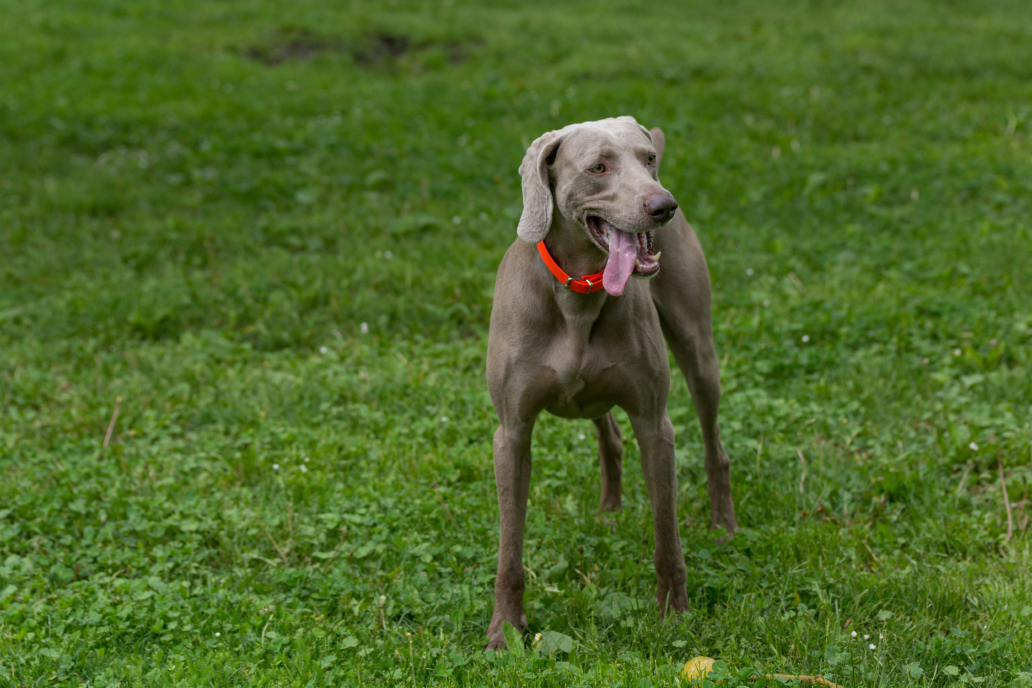
The Weimaraner, affectionately nicknamed the “Gray Ghost,” is a breed of German origin that combines aristocratic elegance with formidable athleticism. Originally bred as a hunting dog for the nobility, it stands out for its mesmerizing metallic gray coat, keen intelligence, and a deep need for human connection, making it an extremely devoted and energetic companion.

Characteristics of the Weimaraner

🐕 Size: Large
🐕 Average weight: 25 kg to 40 kg
🐕 Height: 57 cm to 70 cm at the withers
🐕 Genetic predispositions: Gastric torsion (GDV), hip dysplasia, and thyroid sensitivity
🐕 Body type: Athletic, slender, and muscular, with a deep chest and streamlined lines
🐕 Coat: Short, smooth, dense, and close to the body, in shades ranging from mouse gray to silver gray

How long does a Weimaraner live?

Weimaraner

The average life expectancy of a Weimaraner ranges from 10 to 13 years.

Because it is a large breed with a deep chest, the breed’s longevity is closely linked to diet and physical fitness.

The Weimaraner’s metabolic profile requires constant monitoring for hypothyroidism and obesity, which can put a strain on the heart and joints.

Keeping this dog active and mentally stimulated, as well as monitoring for the early onset of tumors (neoplasms), is essential to ensuring that the “Gray Ghost” maintains its vitality well into old age.

Weimaraner

Check your dog's aging curve

Want to know how to improve your dog's quality of life as they age?

PetMoretime specializes in veterinary gerontology and offers a personalized longevity program for your dog.

WhatsApp

Common Health Issues in Weimaraners

Signs of Aging in the Weimaraner

Weimaraner
Sluggishness when getting up or limping: Joint wear caused by osteoarthritis can make morning movements stiff for this athletic dog.
Appearance of lumps or "bumps" under the skin: The Weimaraner is prone to tumors; any new lump should be examined immediately.
Changes in skin texture and weight gain: Clinical signs of hypothyroidism that often appear or worsen in older adults.
A vacant stare or nighttime anxiety: Indicates the onset of cognitive dysfunction (Alzheimer's), common in dogs that were once very mentally active.
Eyes with a whitish sheen: Loss of ocular transparency due to age-related cataracts impairs the animal’s vision and safety.
Ignoring verbal commands: Progressive hearing loss is common in old age, requiring greater reliance on visual cues for communication.

Most of these diseases begin silently.

PetMoretime can track and prevent diseases before they appear through continuous monitoring.

WhatsApp

Weimaraner Behavior

Sociability
Trainability
Energy level
Motivation for food

Lifetime cost

In addition to the initial investment, it is important to consider:

Quality food
Veterinary consultations
Vaccinations and tests
Possible orthopedic or cardiac treatments

How to Increase a Weimaraner's Life Expectancy

To increase a Weimaraner’s life expectancy, the key is to maintain a balance between high levels of physical activity and good metabolic health.

Due to the risk of gastric torsion, eating smaller, more frequent meals and resting after eating are mandatory.

Annual checkups to monitor thyroid function and detect cancer early are vital. 

Finally, providing constant mental stimulation helps prevent canine Alzheimer’s, ensuring that this hunter’s brain stays sharp for many years to come.

dogs

Longevity does not depend solely on genetics.

It can be monitored.

Learn how PetMoreTime monitors markers that indicate accelerated aging.

WhatsApp