Standard Schnauzer: Life Expectancy and How to Extend Their Lifespan

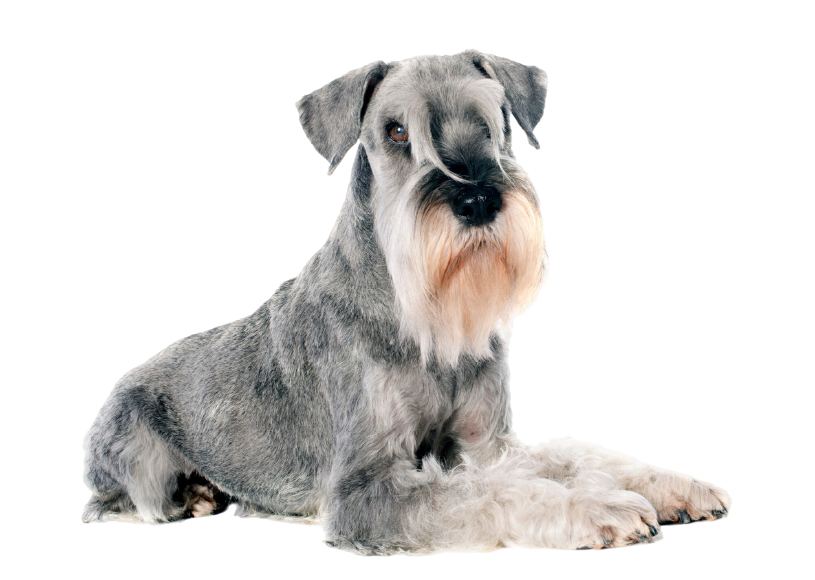
The Standard Schnauzer is the original prototype of the breed, the perfect balance between the Miniature and the Giant.

Originally from Germany, this “bearded watchdog” began its career on farms as a rat catcher and guardian of carriages.

With a keen intellect and a strong-willed personality, he is a rugged and extremely versatile working dog who needs clear leadership and plenty of mental stimulation to be happy.

Characteristics of the Standard Schnauzer

🐕 Size: Medium
🐕 Average weight: 14 kg to 20 kg
🐕 Height: 45 cm to 50 cm at the withers
🐕 Genetic predispositions: Pancreatitis (sensitivity to fats), urinary stones, and thyroid problems
🐕 Body structure: Robust, square, and compact, conveying strength and agility
🐕 Coat: Wire-haired, dense, and coarse, with a characteristic "mustache" and bushy eyebrows

How long does a Standard Schnauzer live?

Standard Schnauzer

The average life expectancy of a Standard Schnauzer ranges from 13 to 16 years.

Because it is a hardy, medium-sized dog, it tends to be quite resilient and long-lived.

However, their vitality depends directly on a controlled diet—the breed has a metabolism that is sensitive to fat, which can overload the pancreas.

In addition, endocrine health is a key concern as we age. Keeping this “little guy” active and staying on top of hormone tests is the best way to ensure that he stays sharp well into his senior years.

Standard Schnauzer

Check your dog's aging curve

Want to know how to improve your dog's quality of life as they age?

PetMoretime specializes in veterinary gerontology and offers a personalized longevity program for your dog.

WhatsApp

Common Health Issues in Standard Schnauzers

Signs of Aging in the Standard Schnauzer

Standard Schnauzer
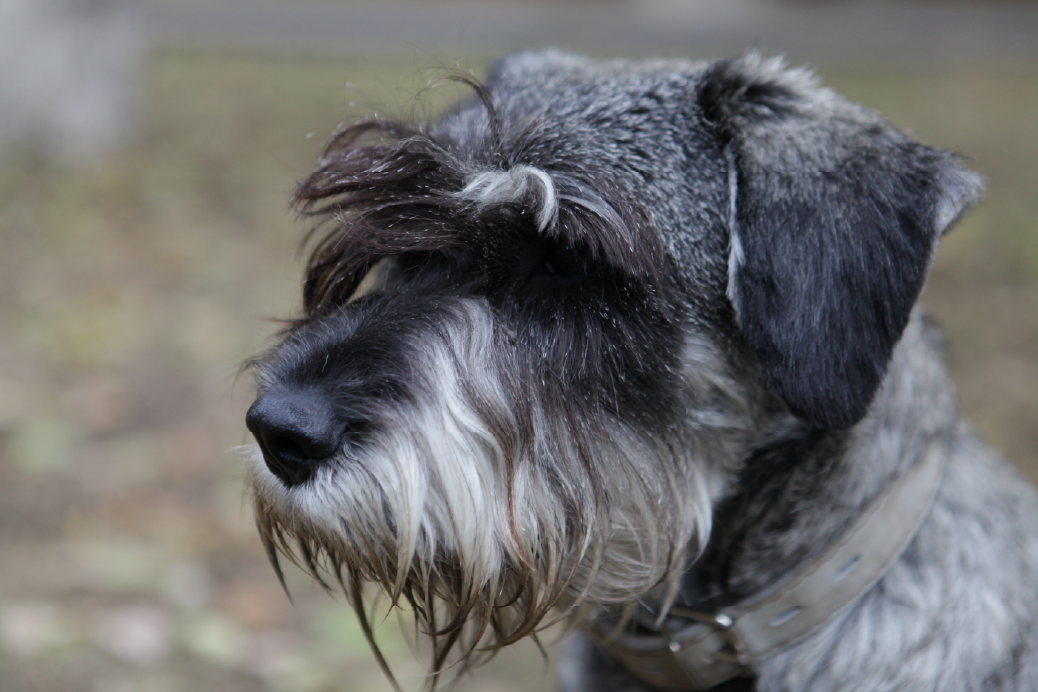
Gray beard and eyebrows: The graying of facial hair is a classic and early visual sign of aging in this breed.
Sluggishness when getting up or limping: Joint wear and tear (osteoarthritis) can reduce the agility typical of this working dog.
Cloudy eyes: The development of age-related cataracts affects vision and can make a dog feel more anxious in new environments.
Weight gain and lethargy: These may be signs of a slow metabolism caused by hypothyroidism in middle age.
Disorientation or a blank stare: Signs of canine Alzheimer's (cognitive dysfunction), such as appearing "lost" in corners of the house.
Lack of response to familiar sounds: Progressive hearing loss is common, making the dog seem less alert or distracted.

Most of these diseases begin silently.

PetMoretime can track and prevent diseases before they appear through continuous monitoring.

WhatsApp

Behavior of the Standard Schnauzer

Sociability
Trainability
Energy level
Motivation for food

Lifetime cost

In addition to the initial investment, it is important to consider:

Quality food
Veterinary consultations
Vaccinations and tests
Possible orthopedic or cardiac treatments

How to Increase the Life Expectancy of a Standard Schnauzer

To increase the life expectancy of the Standard Schnauzer, proper diet management is crucial: avoid high-fat diets to prevent chronic pancreatitis.

Annual check-ups focused on monitoring thyroid function and screening for cancer are vital in middle age. 

Finally, since this is an extremely intelligent and active breed, providing cognitive challenges and regular exercise helps slow the onset of canine Alzheimer’s and keeps their muscles strong to protect their joints for many years to come.

dogs

Longevity does not depend solely on genetics.

It can be monitored.

Learn how PetMoreTime monitors markers that indicate accelerated aging.

WhatsApp