Pit Bull: Life Expectancy and How to Extend Their Lifespan

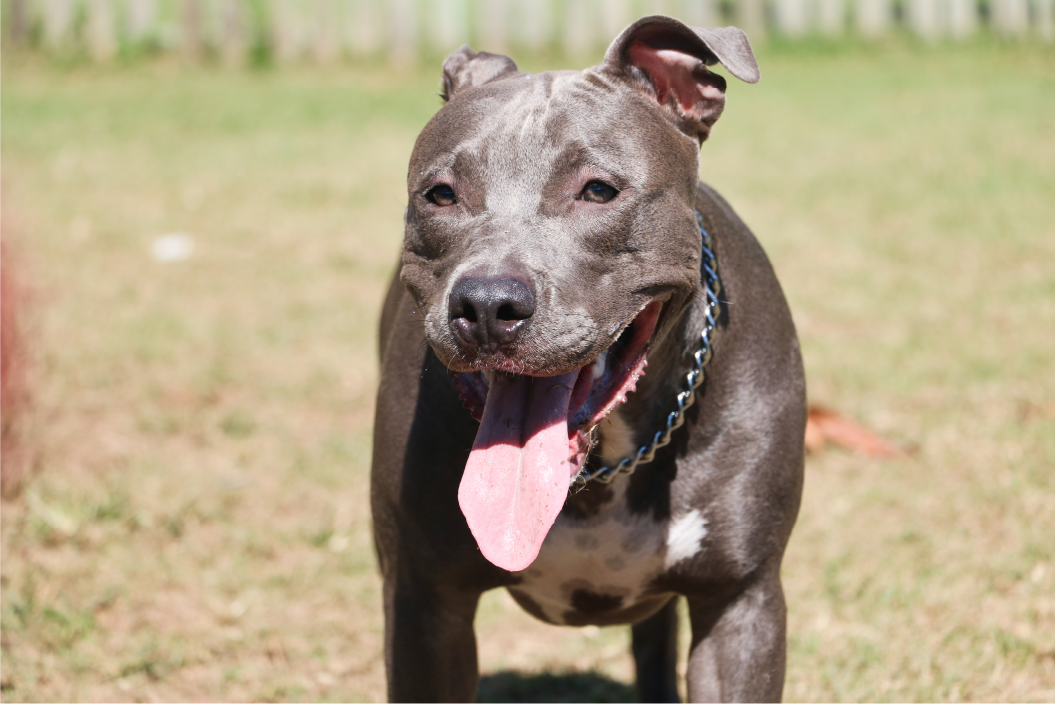
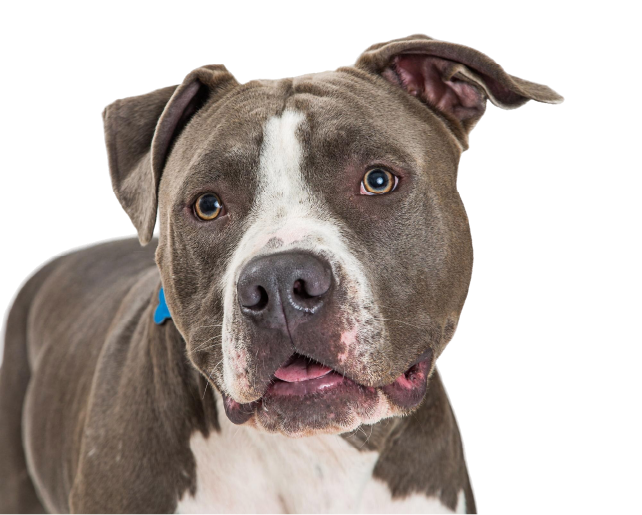
The Pit Bull (American Pit Bull Terrier) is a breed that embodies loyalty and physical vigor. Often misunderstood, it is a dog with an extremely affectionate disposition toward humans, possessing keen intelligence and an enviable athletic build. Descended from working dogs, it requires a routine rich in exercise and a deep bond with its owners to thrive.

Characteristics of the Pit Bull

🐕 Size: Medium to Large
🐕 Average weight: 14 kg to 30 kg
🐕 Height: 43 cm to 53 cm at the withers
🐕 Genetic predispositions: Skin sensitivity (allergies), hip dysplasia, and hypothyroidism
🐕 Body structure: Muscular, solid, and agile, with a powerful jaw and broad chest
🐕 Coat: Short, shiny, and rough to the touch, with no undercoat

How long does a Pit Bull live?

Pit Bull

The average life expectancy of a Pit Bull ranges from 12 to 15 years.

Because it is a hardy and resilient breed, it tends to live a long life, but its vitality in old age depends on managing chronic inflammation and maintaining good metabolic health.

This breed’s immune response is highly reactive to environmental and food allergens, which can lead to persistent dermatitis.

Maintaining a healthy weight to avoid putting excessive strain on the joints and conducting preventive screenings for thyroid issues and potential tumors are key strategies for ensuring that the animal ages healthily.

Pit Bull

Check your dog's aging curve

Want to know how to improve your dog's quality of life as they age?

PetMoretime specializes in veterinary gerontology and offers a personalized longevity program for your dog.

WhatsApp

Common Health Issues in Pit Bulls

Signs of Aging in Pit Bulls

Pit Bull
Constant licking and irritated skin: Allergies and dermatitis can become harder to manage as a dog’s immune system weakens with age.
Reluctance to run or jump: Pit Bulls are naturally athletic; avoiding strenuous exercise may indicate joint pain caused by osteoarthritis or hip dysplasia.
Cloudy or milky eyes: The development of age-related cataracts impairs vision, especially in low-light conditions.
Barking into the void or disorientation: Signs of canine Alzheimer’s, such as seeming lost at home or confusing day and night.
Weight gain even with a controlled diet: A slow metabolism caused by hypothyroidism is common in older dogs of this breed.
Reduced response to familiar sounds: Progressive hearing loss makes the dog seem less responsive to its owner’s calls.

Most of these diseases begin silently.

PetMoretime can track and prevent diseases before they appear through continuous monitoring.

WhatsApp

Pit Bull Behavior

Sociability
Trainability
Energy level
Motivation for food

Lifetime cost

In addition to the initial investment, it is important to consider:

Quality food
Veterinary consultations
Vaccinations and tests
Possible orthopedic or cardiac treatments

How to Increase a Pit Bull's Life Expectancy

To increase a Pit Bull’s life expectancy, maintaining a healthy weight is the top priority for preserving joint mobility and preventing osteoarthritis. Annual checkups to monitor thyroid function and detect tumors early are vital.

Proper skin care, through hypoallergenic diets and good hygiene, helps prevent secondary infections. Any supplementation with chondroprotective agents or omega-3 should be done under the professional guidance of a veterinarian.

In addition, providing cognitive stimulation and low-impact exercise routines in old age helps slow the progression of canine Alzheimer's disease and hearing loss, thereby maintaining quality of life.

dogs

Longevity does not depend solely on genetics.

It can be monitored.

Learn how PetMoreTime monitors markers that indicate accelerated aging.

WhatsApp