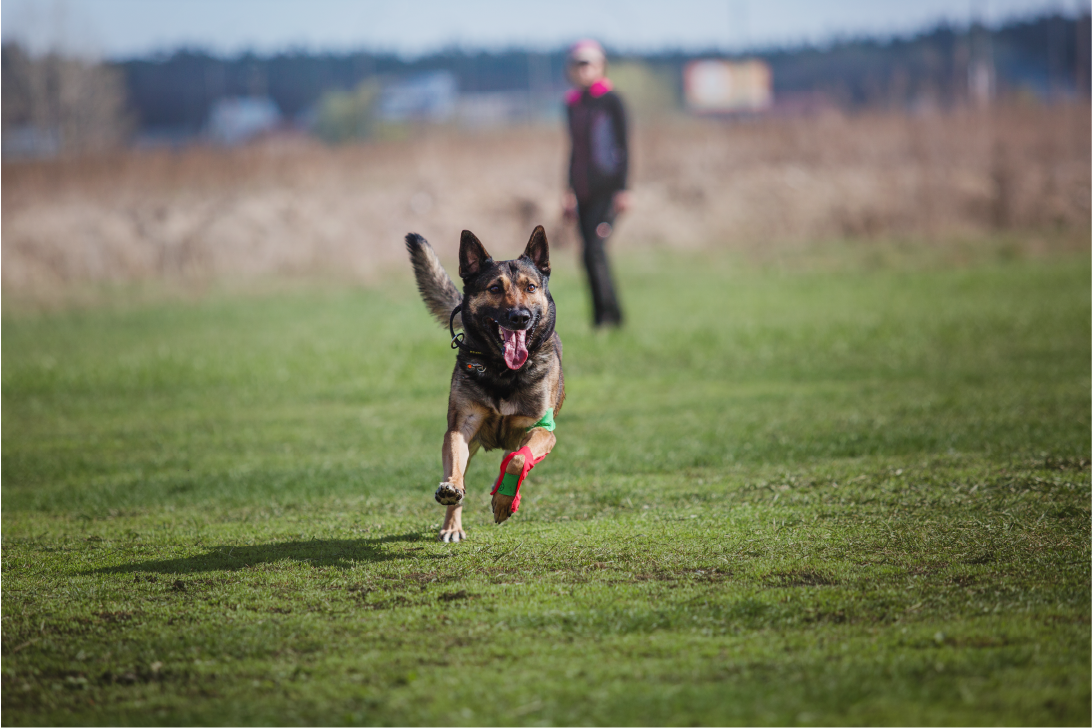
German Shepherd: Life Expectancy and How to Extend Their Lifespan

The German Shepherd is one of the most versatile and intelligent breeds in the world, known for its courage, loyalty, and protective instinct. Originally bred for herding, it has become the quintessential working dog, widely used for guarding, search and rescue, and as a guide dog.

Characteristics of the German Shepherd

🐕 Size: Large
🐕 Average weight: 30 kg to 40 kg
🐕 Height: 55 cm to 65 cm at the withers
🐕 Genetic predispositions: Joint dysplasia, spinal problems, and gastrointestinal sensitivity
🐕 Body structure: Robust, slightly elongated, and very muscular, with a deep chest
🐕 Coat: Double-coated, with a dense undercoat and a straight, coarse outer coat

How long does a German Shepherd live?

pastor

The average life expectancy of a German Shepherd ranges from 9 to 13 years.

Because this is a large, high-energy dog, its longevity depends on maintaining healthy joints and closely monitoring its digestive and cardiovascular health.

Nutritional management is a key factor, as being overweight accelerates degenerative processes in the spine and hips.

Maintaining optimal body condition and undergoing regular preventive checkups helps your pet maintain its mobility and vitality during its senior years.

pastor

Check your dog's aging curve

Want to know how to improve your dog's quality of life as they age?

PetMoretime specializes in veterinary gerontology and offers a personalized longevity program for your dog.

WhatsApp

Age-related diseases in German Shepherds

Signs of Aging in German Shepherds

pastor
Difficulty getting up: Morning stiffness or sluggishness when getting up are common signs of osteoarthritis or advanced-stage dysplasia.
Lack of coordination in the hind limbs: Dragging the nails or crossing the hind legs may indicate myelopathy or cauda equina syndrome.
Rapid fatigue during physical activity: Shortness of breath and exercise intolerance may be early signs of heart disease (CMD).
Loss of muscle mass: A decrease in muscle volume in the thighs and back is common as the animal enters old age.
Recurrent gastrointestinal sensitivity: More frequent episodes of loose stools indicate the age-related decline in digestive efficiency.
Development of calluses: The appearance of hairless patches on the elbows is caused by body weight and prolonged rest on hard surfaces.

Most of these diseases begin silently.

PetMoretime can track and prevent diseases before they appear through continuous monitoring.

WhatsApp

Behavior of the German Shepherd

Sociability
Trainability
Energy level
Motivation for food

Lifetime cost

In addition to the initial investment, it is important to consider:

Quality food
Veterinary consultations
Vaccinations and tests
Possible orthopedic or cardiac treatments

How to Increase the Life Expectancy of a German Shepherd

To maximize the German Shepherd’s lifespan, it is essential to start giving them chondroprotective supplements and omega-3s early on to mitigate the effects of dysplasia and osteoarthritis.

Strict weight control prevents excessive strain on the spine, reducing the risk of worsening spondylosis and cauda equina syndrome.

Regular cardiac checkups and abdominal ultrasounds are crucial for monitoring heart and pancreatic function.

In addition, feeding a highly digestible diet and avoiding strenuous exercise immediately after meals helps prevent acute digestive complications common in this breed.

dogs

Longevity does not depend solely on genetics.

It can be monitored.

Learn how PetMoreTime monitors markers that indicate accelerated aging.

WhatsApp