Labrador Retriever: Life Expectancy and How to Increase Longevity

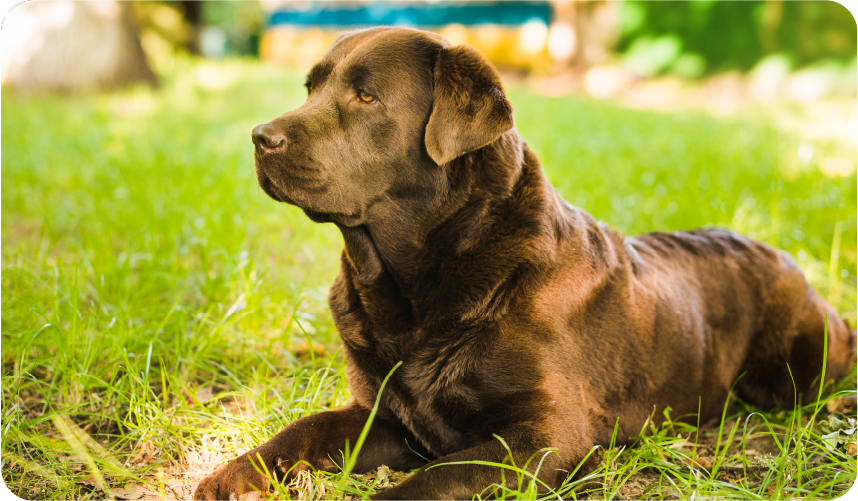
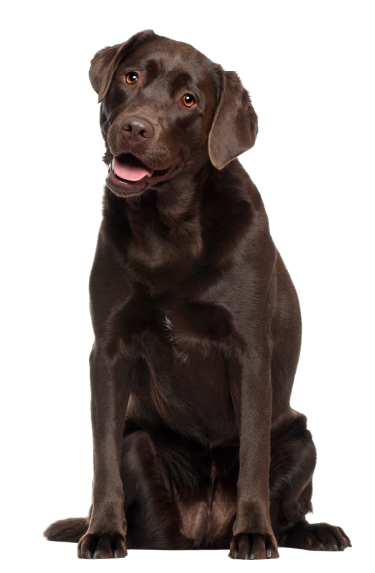
The Labrador Retriever is one of the most popular breeds in the world. Intelligent, sociable, and highly adaptable, it is known for its balanced temperament and strong bond with the family.

Characteristics of the Labrador

🐕 Size: medium to large
🐕 Average weight: 25 to 36 kg
🐕 Height: 54 to 62 cm
🐕 Genetic predispositions: increased risk of obesity, joint diseases, and dilated cardiomyopathy
🐕 Body structure: robust, with a tendency to gain weight
🐕 Coat: short, dense, and water-resistant

How long does a Labrador Retriever live?

labrador

The life expectancy of a Labrador Retriever varies between 10 and 13 years.

Some individuals may exceed this average, especially when they maintain a healthy weight and undergo regular preventive checkups.

The exact answer depends on factors such as genetics, body composition, metabolic control, and prevention of chronic diseases.

Being overweight is one of the main factors that reduce the breed's longevity, as it can accelerate inflammatory and degenerative processes.

labrador

Knowing the breed is important. Understanding aging is essential.

Every breed ages differently.

And that completely changes the way we care for people.

That’s why PetMoreTime offers its Canine Longevity Program.

A comprehensive program that analyzes your dog’s profile and creates a personalized plan that includes:

  • Support from experts
  • A plan tailored to your stage of life
  • Focus on better health and quality of life

Check your dog's aging curve

Want to know how to improve your Labrador Retriever's quality of life as they age?

PetMoretime specializes in veterinary gerontology and offers a personalized longevity program for your dog.

WhatsApp

Main Common Diseases in Labradors

Some common diseases in Labrador Retrievers directly impact their life expectancy.

Health Conditions Associated with Aging in Labradors

Signs of Aging in Labradors

Labrador dog
Gray muzzle: White hair around the mouth and eyes.
Slow to get up: Morning "rustiness" or after exercise.
Weight gain: Fat accumulation even with the same diet.
Heavy breathing: Excessive panting at rest.
Lack of interest in searching: Less enthusiasm for fetching the ball.
Dry cough: Especially after exertion or at night.

Most of these diseases begin silently.

PetMoretime can track and prevent diseases before they appear through continuous monitoring.

WhatsApp

Labrador behavior

Sociability
Trainability
Energy level
Motivation for food
labrador

Lifetime cost

In addition to the initial investment, it is important to consider:

Quality food
Veterinary consultations
Vaccinations and tests
Possible orthopedic or cardiac treatments

How to Increase the Life Expectancy of a Labrador

To increase the life expectancy of Labradors, strict control of body weight, low-impact exercise, and proactive monitoring of biomarkers.

dogs

Longevity does not depend solely on genetics.

It can be monitored.

Learn how PetMoreTime monitors markers that indicate accelerated aging.

WhatsApp