Dachshund: life expectancy and how to increase longevity

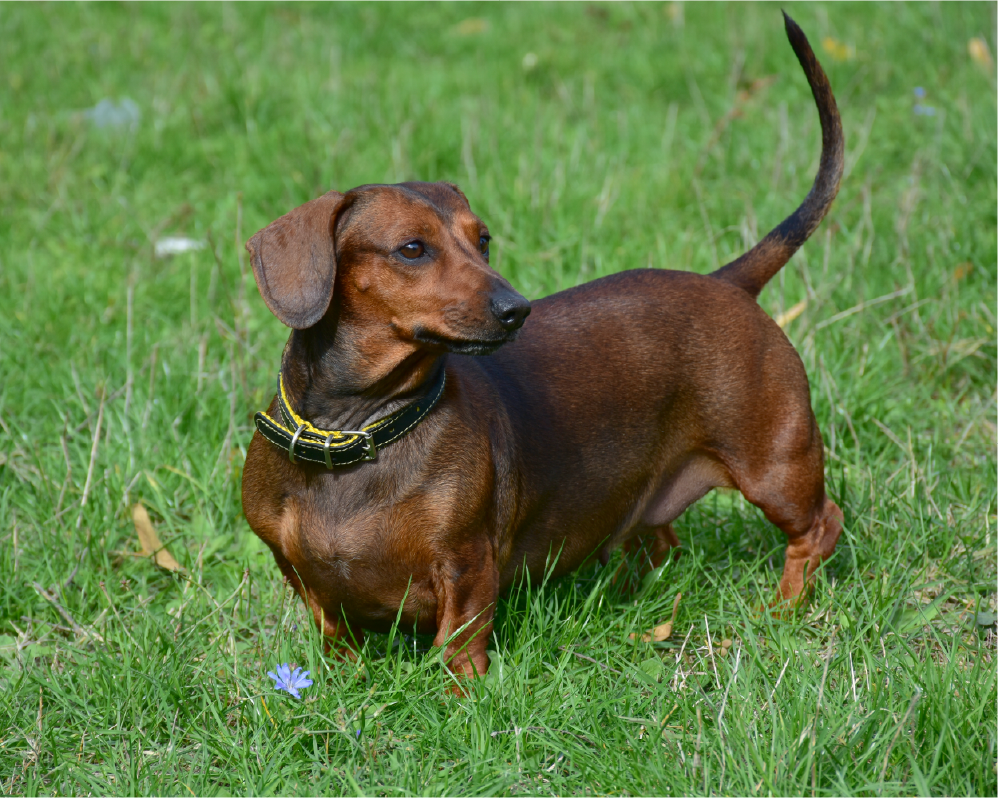
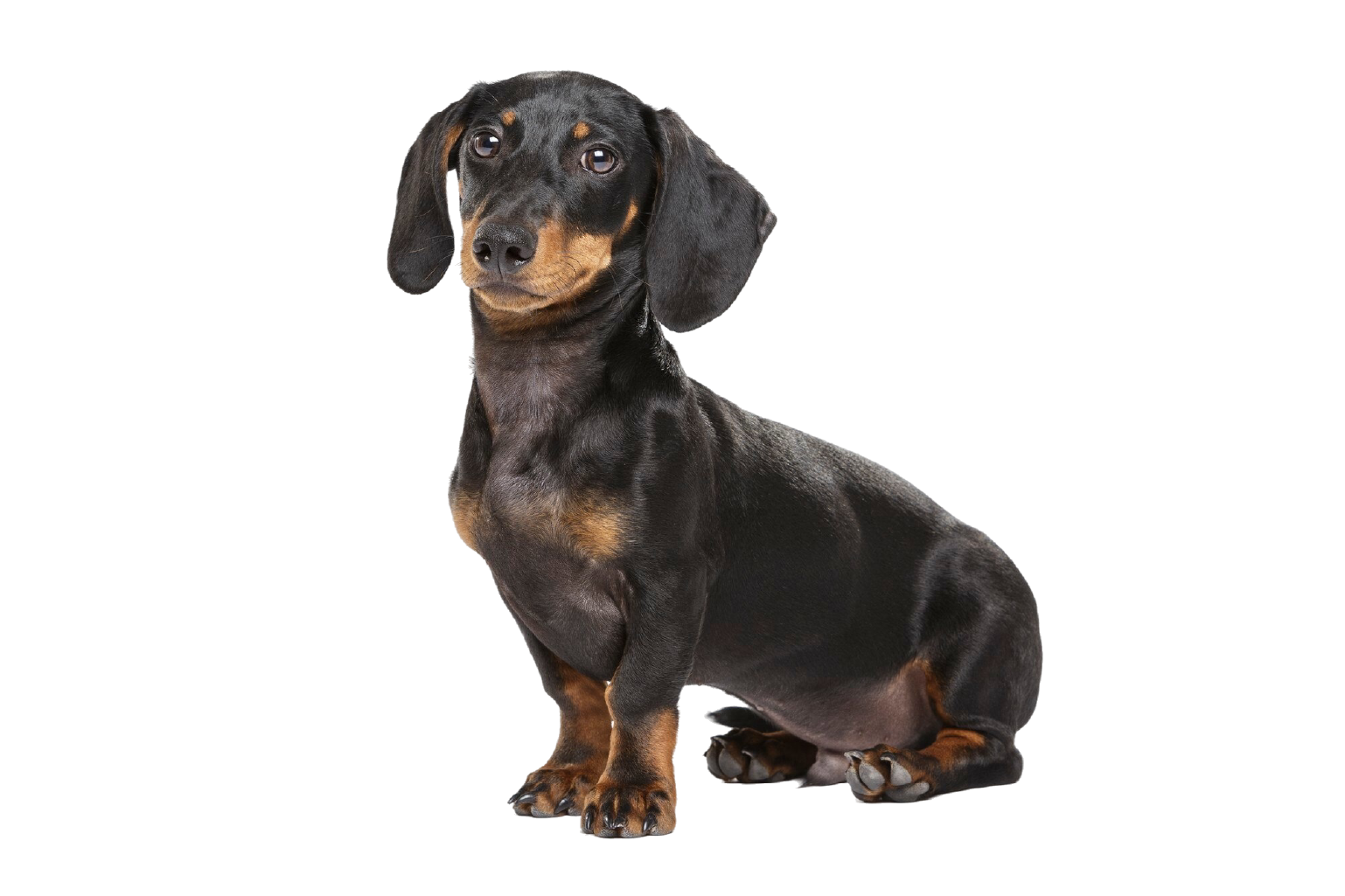
The Dachshund, affectionately known as "sausage dog," is a breed of German origin developed for hunting in burrows. It is characterized by its elongated silhouette and short legs, and has a courageous, independent personality and is extremely loyal to its owners.

Characteristics of the Dachshund

🐕 Size: Small (Standard or Miniature)
🐕 Average weight: 5kg to 14kg (depending on the variety)
🐕 Height: 13 cm to 22 cm at the withers
🐕 Genetic predispositions: Vertebral disc disease, endocrine and eye disorders
🐕 Body structure: Elongated, muscular body with short legs and prominent chest
🐕 Coat: Short (straight hair), hard or long, varying according to the breed

How long does a Dachshund live ?

Dachshund

The life expectancy of a Dachshund ranges from 12 to 16 years.

Many specimens exceed this average due to their small dog metabolism and genetic robustness.

However, longevity is dependent on careful management of the spine and weight.

Being overweight is the most serious risk factor for the breed, as it puts excessive pressure on the intervertebral discs, which can cause paralysis and significantly reduce the animal's quality of life and lifespan.

Dachshund

Check your dog's aging curve

Want to know how to improve your dog's quality of life as they age?

PetMoretime specializes in veterinary gerontology and offers a personalized longevity program for your dog.

WhatsApp

Main Diseases of the Dachshund

Diseases of Aging in Dachshunds

Signs of Aging in Dachshunds

dachshund
Reluctance to climb stairs The dog avoids obstacles that it used to overcome easily, indicating possible spinal pain or the onset of osteoarthritis.
Excessive thirst and urination These can be clinical signs of endocrine disorders such as Cushing's syndrome, which is common in older Dachshunds.
Blue or cloudy eyes Loss of lens transparency suggests the development of senile cataracts or sclerosis.
Fatigue and dry cough Episodes of coughing after exertion or during rest may indicate changes in the mitral valve (murmur).
Difficulty moving around in the morning Stiffness in the hind limbs upon waking is a classic sign of joint degeneration or nerve compression.
Abdominal fat accumulation Loss of waist size and accelerated weight gain are signs of a slow metabolism or hormonal imbalance in old age.

Most of these diseases begin silently.

PetMoretime can track and prevent diseases before they appear through continuous monitoring.

WhatsApp

Dachshund Behavior

Sociability
Trainability
Energy level
Motivation for food

Lifetime cost

In addition to the initial investment, it is important to consider:

Quality food
Veterinary consultations
Vaccinations and tests
Possible orthopedic or cardiac treatments

How to increase the life expectancy of a Dachshund

To prolong the life of a Dachshund, weight control is an absolute priority, aiming to reduce the load on the spine and prevent DDIV.

Using ramps to prevent dogs from jumping off sofas or beds is an essential preventive measure.

Annual endocrine check-ups enable early diagnosis of Cushing's syndrome, while oral hygiene prevents systemic infections that affect the heart (murmur).

Keeping the back muscles strong with controlled walks on flat terrain helps to support the breed's elongated bone structure over the years.

dogs

Longevity does not depend solely on genetics.

It can be monitored.

Learn how PetMoreTime monitors markers that indicate accelerated aging.

WhatsApp