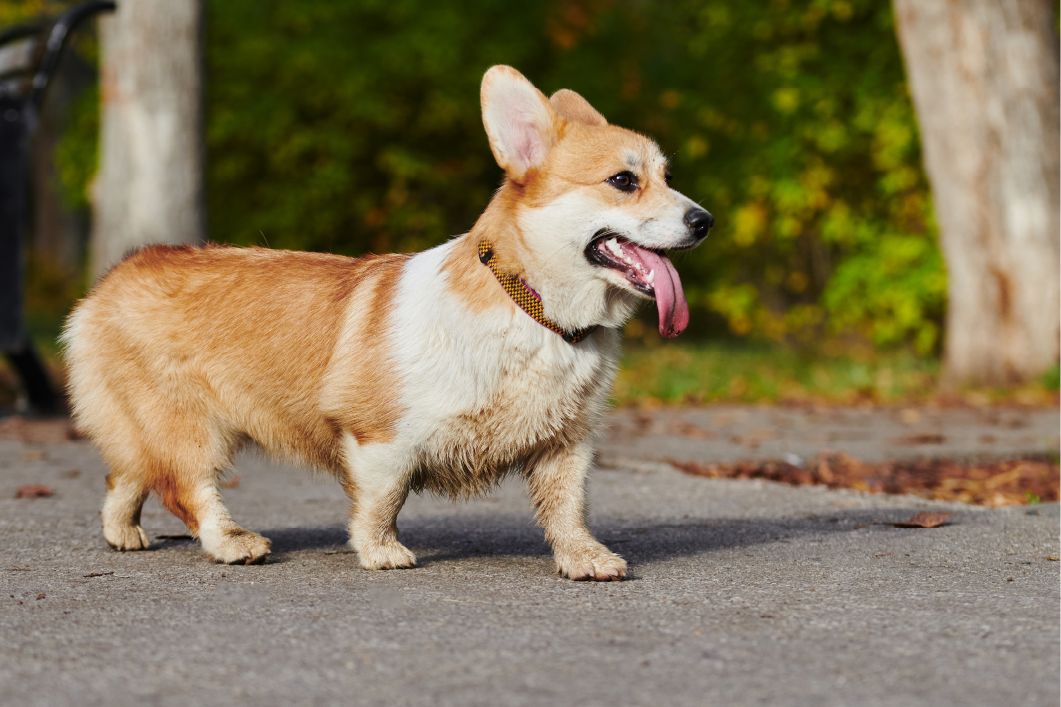
Pembroke Corgi: Life Expectancy and How to Extend Their Lifespan

The Pembroke Corgi (Welsh Corgi Pembroke) is the very definition of “a big dog in a small body.” World-famous as a favorite of the British royal family, this Welsh “low-rider” is an ancient sheep and cattle herder. Intelligent, courageous, and with a quirky sense of humor, it combines short legs with a vibrant personality and a tenacity that surprises anyone who underestimates it because of its size.

Characteristics of the Pembroke Corgi

🐕 Size: Small to Medium
🐕 Average weight: 10 kg to 14 kg
🐕 Height: 25 cm to 30 cm at the withers
🐕 Genetic predispositions: Spinal problems (chondrodysplasia), hip dysplasia, and kidney sensitivity
🐕 Body structure: Long and low-set, robustly built, with erect ears and a fox-like expression
🐕 Coat: Medium length, straight with a dense undercoat, weather-resistant

How long does a Pembroke Corgi live?

Pembroke Corgi

The average life expectancy of a Pembroke Corgi ranges from 12 to 15 years.

Because you have a long, slender body supported by short limbs, the health of your spine is the key factor in your longevity.

This breed has a highly efficient metabolic response to fat storage, which makes obesity its number one enemy.

An overweight Corgi not only puts a strain on its heart but also places dangerous pressure on its intervertebral discs, which can drastically reduce its mobility and lifespan.

Keeping this “little honey bun” slim and active is the key to a long life.

Pembroke Corgi

Check your dog's aging curve

Want to know how to improve your dog's quality of life as they age?

PetMoretime specializes in veterinary gerontology and offers a personalized longevity program for your dog.

WhatsApp

Common Health Issues in Pembroke Corgis

Signs of Aging in the Pembroke Corgi

Pembroke Corgi
Reluctance to climb onto the couch or stairs: Due to degenerative disc disease (DDIV) and osteoarthritis, avoiding jumping is a clear sign of discomfort or pain in the spine and joints.
Difficulty positioning themselves to urinate or defecate: Spinal problems or weakness in the hind legs can make these basic tasks a challenge.
Excessive thirst (polydipsia): Drinking large amounts of water may be an early warning sign of declining kidney function in older adults.
A vacant stare and disorientation: Signs of canine Alzheimer's, such as getting "lost" in corners of the house or confusing day for night.
Lack of response to door noises or calls: Progressive hearing loss is common and can make a dog seem less attentive or "stubborn."
Graying around the muzzle: The appearance of gray hairs on the face is a clear visual sign of entering old age.

Most of these diseases begin silently.

PetMoretime can track and prevent diseases before they appear through continuous monitoring.

WhatsApp

Behavior of the Pembroke Corgi

Sociability
Trainability
Energy level
Motivation for food

Lifetime cost

In addition to the initial investment, it is important to consider:

Quality food
Veterinary consultations
Vaccinations and tests
Possible orthopedic or cardiac treatments

How to Increase the Life Expectancy of a Pembroke Corgi

To increase the life expectancy of the Pembroke Corgi, lifestyle management is vital: using ramps to prevent the dog from jumping off sofas or beds is the best way to prevent intervertebral disc disease.

Strict calorie control is essential, as every extra gram puts a severe strain on the spine.

Semi-annual check-ups that include imaging tests of the spine and monitoring of kidney function are essential for senior dogs. Any supplementation (such as chondroprotective agents for osteoarthritis) should be administered under the guidance of a veterinarian.

Finally, low-impact exercise and environmental enrichment help keep the brain sharp and ward off canine Alzheimer’s, ensuring a fulfilling and comfortable old age.


dogs

Longevity does not depend solely on genetics.

It can be monitored.

Learn how PetMoreTime monitors markers that indicate accelerated aging.

WhatsApp