Bull Terrier: Life Expectancy and How to Extend Their Lifespan

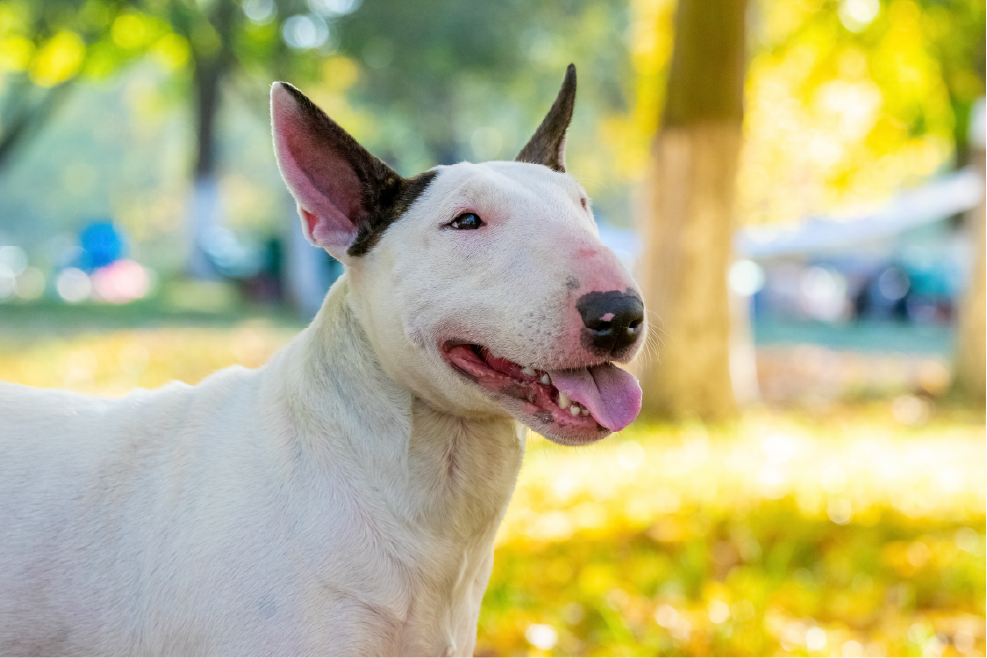
The Bull Terrier is undoubtedly the most eccentric and charismatic “gladiator” in the canine world.

Easily recognizable by its iconic egg-shaped head and triangular eyes, this British breed is brimming with personality.

Behind his “bad boy” facade lies an extremely playful dog, often described as a three-year-old child dressed in a dog suit, always ready for an adventure or an intense display of affection.

Characteristics of the Bull Terrier

🐕 Size: Medium
🐕 Average weight: 22 kg to 38 kg
🐕 Height: 45 cm to 55 cm at the withers
🐕 Genetic predispositions: Kidney problems, heart disease, and skin sensitivity
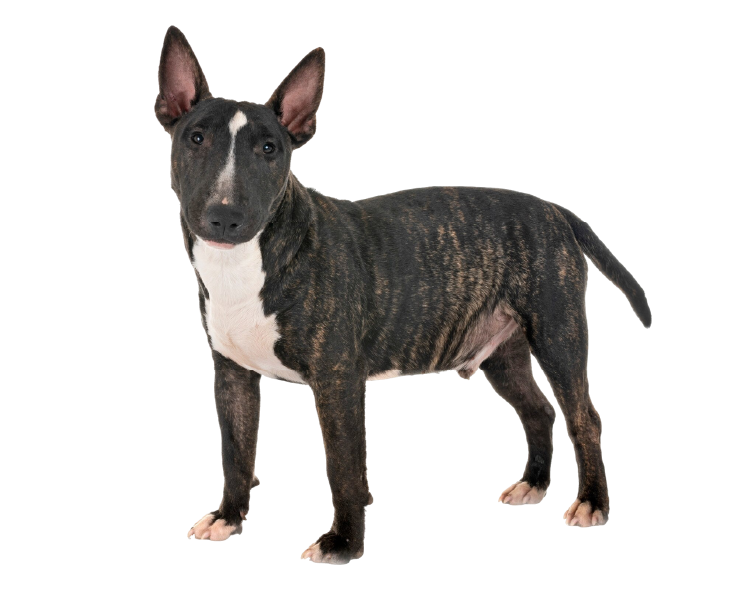
🐕 Body structure: Muscular, solid, and symmetrical, with a robust and powerful build
🐕 Coat: Short, flat, rough to the touch, and with a fine sheen

How long does a Bull Terrier live?

Bull Terrier

The average life expectancy of a Bull Terrier ranges from 12 to 13 years.

Although it is a robust breed, its longevity is closely linked to the health of its kidneys and heart, organs that may be genetically predisposed to certain conditions in this breed.

The Bull Terrier's physiological response requires a delicate balance between intense exercise to burn off its boundless energy and preventive measures to avoid inflammation.

The key to ensuring that this “four-legged clown” reaches old age in good health is the early detection of metabolic changes and meticulous care of the skin barrier, which is its primary defense against the environment.

Bull Terrier

Check your dog's aging curve

Want to know how to improve your dog's quality of life as they age?

PetMoretime specializes in veterinary gerontology and offers a personalized longevity program for your dog.

WhatsApp

Common Health Issues in Bull Terriers

Signs of Aging in the Bull Terrier

Bull Terrier
Reluctance to engage in rough play: Bull Terriers love to run and jump; avoiding these activities may indicate joint pain caused by osteoarthritis.
Increased skin irritation: Dermatitis can become chronic or more severe in old age, requiring extra attention to allergies.
Eyes with a whitish sheen: The development of age-related cataracts impairs vision and can make the dog more timid or "clumsy."
Nighttime disorientation and a blank stare: Signs of canine Alzheimer’s (cognitive dysfunction), such as barking at nothing or seeming lost at home.
Reduced response to auditory stimuli: Progressive hearing loss should be monitored in older dogs, especially in white ones.
Rapid fatigue and lethargy: This may indicate that your metabolism has slowed down due to hypothyroidism or heart problems.

Most of these diseases begin silently.

PetMoretime can track and prevent diseases before they appear through continuous monitoring.

WhatsApp

Bull Terrier Behavior

Sociability
Trainability
Energy level
Motivation for food

Lifetime cost

In addition to the initial investment, it is important to consider:

Quality food
Veterinary consultations
Vaccinations and tests
Possible orthopedic or cardiac treatments

How to Increase a Bull Terrier's Life Expectancy

To increase the Bull Terrier’s life expectancy, strict dietary control and monitoring of kidney function through urinalysis and biannual blood tests are essential.

Keeping the skin clean at all times and promptly investigating any lumps (tumors) are practices that save lives in this breed.

Finally, providing consistent exercise and mental stimulation helps slow the progression of canine Alzheimer’s and keeps muscles strong to protect the joints for many years.

dogs

Longevity does not depend solely on genetics.

It can be monitored.

Learn how PetMoreTime monitors markers that indicate accelerated aging.

WhatsApp