
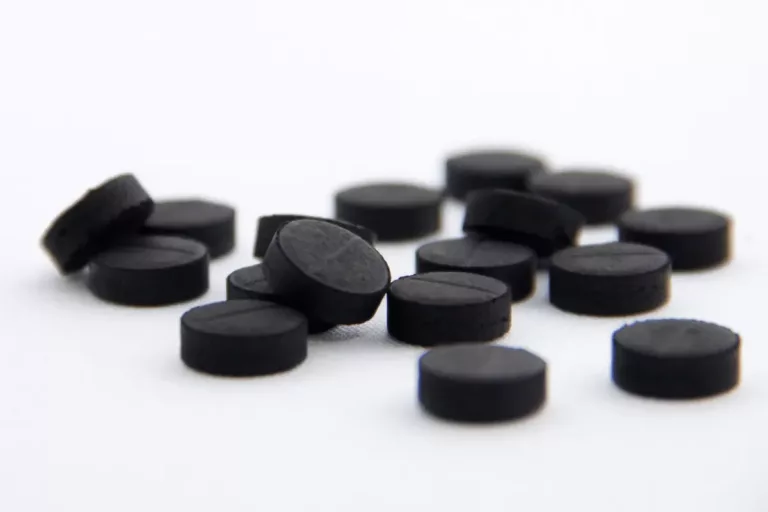
Activated charcoal is commonly used in cases of poisoning in dogs. Recognized for its ability to absorb toxins and harmful substances in the gastrointestinal tract, it can be a real lifesaver in emergency situations.
In this article, you will find out what activated charcoal is used for, in which cases it is indicated, the precautions when using it and when it is essential to seek advice from a veterinarian.
After all, ensuring your pet's health and safety is always a priority!
What is Activated Charcoal for Dogs used for?
Activated charcoal is widely used in veterinary medicine to reduce or prevent the absorption of toxic substances by dogs' bodies.
Its main function is to adsorb ingested toxins and medicines, preventing them from being absorbed by the gastrointestinal tract and entering the bloodstream.
It is mainly indicated in cases of
Accidental ingestion of inappropriate medication - Such as anti-inflammatories, antidepressants or other human drugs.
Food poisoning - If the dog consumes dangerous foods, such as chocolate, onions, grapes, among others.
Exposure to harmful chemical substances - Such as pesticides, poisons, detergents and cleaning products.
Activated charcoal should be administered as soon as possible after ingesting the toxic substance to ensure its effectiveness.
However, not all types of poisoning can be treated with this substance.
In some cases, such as poisoning by heavy metals or corrosive products, it can be ineffective or even harmful. It is therefore essential to seek veterinary advice before administering it.
How does Activated Charcoal for Dogs work?
Activated charcoal acts on the dog's body through a process called adsorption, in which ingested toxins bind to the porous surface of the charcoal, preventing them from being absorbed by the intestine.
Unlike absorption, which allows substances to enter the bloodstream, adsorption keeps toxins attached to the charcoal until they are eliminated through the feces.
This mechanism is highly effective for most toxic substances, but there are exceptions.
Activated carbon cannot adsorb certain compounds, such as alcohol, iron salts, caustic products (strong acids and bases) and some heavy metals.
In addition, in some cases it may be necessary to use an osmotic cathartic, such as sorbitol, to speed up the elimination of toxins from the digestive system.
As it is an emergency treatment, activated charcoal should be administered as soon as the toxic substance has been ingested, ideally within 30 to 60 minutes.
Prolonged use or use without indication can be harmful, leading to adverse effects such as constipation or dehydration if too much is taken.
When should I give my dog activated charcoal?
Activated charcoal should only be used in specific poisoning situations, always on veterinary advice.
It can be administered when:
- The dog has ingested inappropriate human medication - such as anti-inflammatories, antidepressants or painkillers.
- Toxic substances have been ingested - such as pesticides, poisons, fertilizers or household chemicals.
- The animal has consumed dangerous foods - such as chocolate, grapes, onions, garlic and other harmful foods.
However, not all poisoning can be treated with activated charcoal.
If the dog has ingested substances such as alcohol, caustic products (such as caustic soda, acids, or batteries) or heavy metals (lead, iron, zinc), activated charcoal will have no effect and may even hinder diagnosis and treatment.

How to identify signs of poisoning in dogs?
If poisoning is suspected, the first course of action should be to seek veterinary advice immediately.
The professional will assess the situation and indicate the best approach, which may include the administration of activated charcoal or other more appropriate procedures, such as gastric lavage, fluid therapy or the use of specific antidotes.
- The main signs of poisoning in dogs include frequent vomiting, diarrhea, abdominal pain, convulsions and wheezing. In addition, excessive salivation, dilated pupils, rapid heartbeat, disorientation, swelling of the tongue and cold extremities, such as the muzzle, ears and paws, are commonly observed
If you notice any of these symptoms, see a vet immediately. Prompt care is essential to minimize the effects of poisoning and ensure your pet's recovery
How to administer activated charcoal to dogs?
Activated charcoal for dogs should be administered orally, usually in the form of a liquid or granulated suspension. To ensure treatment is effective, follow these recommendations:
- Consult a vet before administering - Not all intoxications can be treated with activated charcoal. A professional should assess whether its use is indicated.
- Direct administration - Activated charcoal can be given using a dosing syringe (if in suspension) or mixed with a small amount of wet food (if in granules).
- Avoid mixing with other medications - Activated charcoal can decrease or prevent the absorption of medications and other beneficial substances, compromising their effect.
- In some cases, an osmotic cathartic can be used - To speed up the elimination of the toxin, the use of sorbitol together with activated charcoal may be indicated. However, this approach should only be carried out under veterinary supervision.
After administration, it is important to observe the dog to ensure that it does not show signs of intestinal discomfort.
How long does it take for activated charcoal to work on a dog?
Activated charcoal begins to act immediately after administration, adsorbing the toxins still present in the gastrointestinal tract. Its maximum effect occurs within 30 to 60 minutes of ingestion.
If the poisoning occurred many hours ago or if the substance has already been absorbed by the body, activated charcoal may be less effective. In these situations, the vet may suggest other complementary treatments, such as fluid therapy or inducing vomiting (if safe).
Are there any side effects?
Activated charcoal is considered safe for dogs when administered correctly, but it can cause some adverse effects in specific situations:
Constipation - Can occur in some dogs, especially if the dose administered is high or if there is a predisposition to intestinal problems.
Diarrhea - Some formulations containing sorbitol can cause diarrhea and dehydration if used excessively.
Difficultyabsorbing medication - Activated charcoal can reduce the effectiveness of some medications, such as Leflunomide and substances absorbed by the intestine. For this reason, its use should be carefully evaluated by a veterinarian.
If the dog shows any unusual reaction after administration, such as persistent vomiting, excessive lethargy or signs of abdominal discomfort, seek veterinary advice immediately.
Where to buy Activated Carbon for Dogs?
Activated charcoal for dogs is available in different forms, such as granules, tablets or liquid suspension, and can be purchased in veterinary clinics and hospitals, which are the best places to guarantee a safe and suitable product for your pet.
In addition, some veterinary pharmacies offer customized versions of activated charcoal, allowing for a more precise dosage.
You can also find the product in pet stores and specialized online stores, but it is essential to check its origin before buying.
Remember that activated charcoal should not be administered without veterinary advice.
In emergencies, consult a professional to ensure the best treatment for your dog.
Can I give Human Activated Carbon to a Dog?
Activated charcoal used by humans may seem like a viable option in emergency situations, but it is not recommended to give it to your dog without veterinary advice.
Formulations intended for human use may contain additives or ingredients that are not safe for animals, and the dosage may not be suitable for dogs.
Veterinary activated charcoal is specifically formulated to ensure effectiveness in the treatment of poisoning in pets, taking into account the particularities of the canine organism.
Therefore, if poisoning or intoxication is suspected, consult a vet immediately to ensure the correct and safe treatment for your dog.
At PetMoreTime, we believe that every detail in caring for your pet makes a difference in their longevity and quality of life. Want to learn more about how to provide a healthier and longer life for your dog? Discover our longevity protocol!