Newfoundland: Life expectancy and how to increase longevity

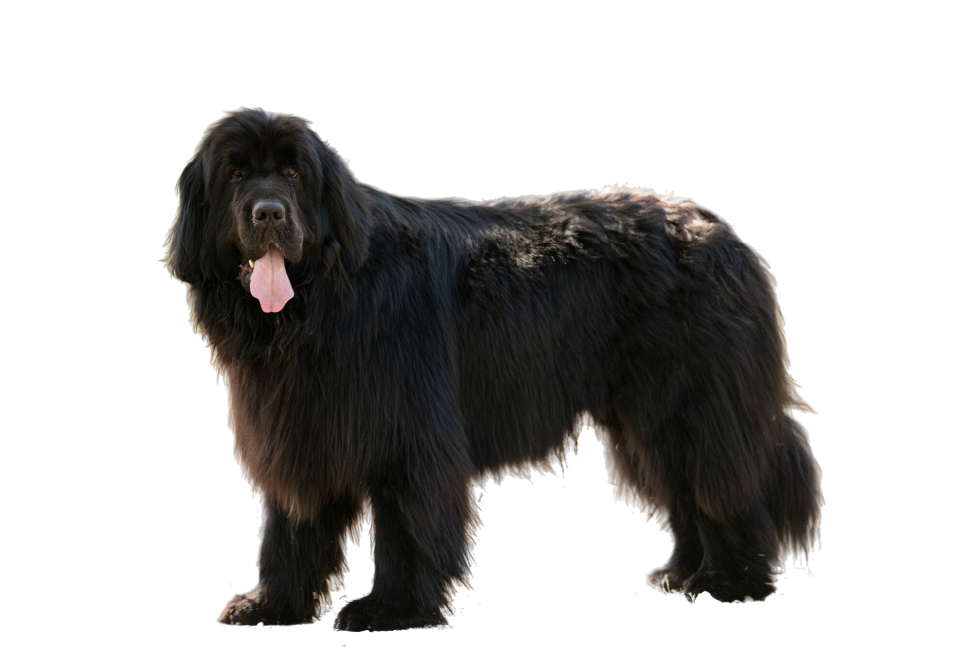
The Newfoundland is the quintessential “lifesaver” of the canine world. Native to Canada, this giant is famous for its Herculean strength, webbed feet, and a waterproof coat that makes it almost amphibious.

Known for its extreme gentleness and patience, the Newfoundland is the ideal family companion, being as protective as a bear and as gentle as a lamb. If there is one dog that defines the term “gentle giant,” it is this one.

Features of Terra-Nova

🐕 Size: Giant
🐕 Average weight: 45 kg to 70 kg
🐕 Height: 66 cm to 76 cm at the withers
🐕 Genetic predispositions: Cystinuria (urinary stones), gastric torsion, and extreme sensitivity to heat
🐕 Body structure: Stocky, powerful, and muscular, with a broad chest and coordinated movements
🐕 Coat: Double-layered, dense, oily, and water-resistant, usually black, brown, or white and black (Landseer)

How long does a Newfoundland live?

Newfoundland

The average lifespan of a Newfoundland dog ranges from 8 to 10 years.

Because this is a dog of colossal proportions, its body works harder to maintain vital functions, which shortens its lifespan compared to smaller breeds. Cardiovascular health and joint support are critical to its longevity.

Since this giant has an innate love for water, aquatic exercise is one of the best ways to keep his muscles strong without putting strain on his joints, ensuring that he enjoys every year to the fullest.

Newfoundland

Check your dog's aging curve

Want to know how to improve your dog's quality of life as they age?

PetMoretime specializes in veterinary gerontology and offers a personalized longevity program for your dog.

WhatsApp

Signs of Aging in the Newfoundland

Newfoundland
Difficulty standing up or getting into the water: Osteoarthritis and spondylosis can make propulsive movements painful and slow.
Persistent cough or excessive fatigue: Warning signs of heart failure, indicating that the heart is having difficulty pumping blood.
Appearance of unusual lumps or swellings: Due to the high incidence of neoplasms, any physical changes should be investigated.
Confusing day and night or seeming "stuck" in corners: Signs of cognitive decline (Alzheimer's), which affect the giant's spatial awareness.
Lack of response to whistles or commands: Progressive hearing loss is common, making the dog less responsive to external stimuli.
Walking stiffly or with a "stiff gait": Degenerative spondylosis affects the spine's flexibility, altering the dog's natural posture.

Most of these diseases begin silently.

PetMoretime can track and prevent diseases before they appear through continuous monitoring.

WhatsApp

Behavior of the Newfoundland

Sociability
Trainability
Energy level
Motivation for food

Lifetime cost

In addition to the initial investment, it is important to consider:

Quality food
Veterinary consultations
Vaccinations and tests
Possible orthopedic or cardiac treatments

How to Increase a Newfoundland's Life Expectancy

To help Newfoundlands live longer, strict weight control is the number one preventive measure for avoiding the progression of hip dysplasia and osteoarthritis.

Nutritional management should focus on preventing gastric torsion, with small, frequent meals and rest after eating.

Exercising through swimming is highly recommended, as it strengthens the muscles and the cardiovascular system without putting stress on the bones.

Regular cardiac check-ups with echocardiograms are vital for the early diagnosis of HCM. In addition, keeping the environment cool and air-conditioned is essential, as this breed is extremely sensitive to heat.

A routine of mental exercises and good oral hygiene also help keep the brain sharp and prevent systemic infections in older adults.

dogs

Longevity does not depend solely on genetics.

It can be monitored.

Learn how PetMoreTime monitors markers that indicate accelerated aging.

WhatsApp