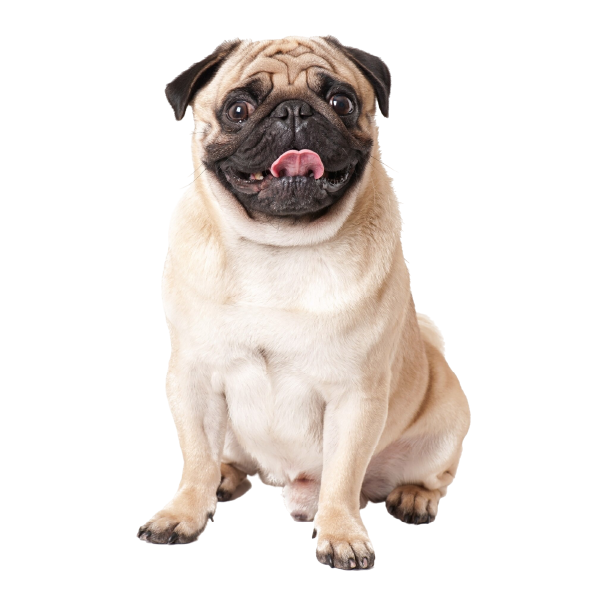
Pug: Life expectancy and how to increase longevity

The Pug is one of the oldest and most charming breeds in the world, with origins dating back to Imperial China. Known for the motto “multum in parvo” (much in a little), this small companion dog wins everyone over with its unique facial expression, gentle temperament, and playful personality, making it the center of attention in any family.

Characteristics of the Pug

🐕 Size: Small
🐕 Average weight: 6.3 kg to 8.1 kg
🐕 Height: 25 cm to 33 cm at the withers
🐕 Genetic predispositions: Brachycephalic syndrome, eye sensitivity, and skin folds
🐕 Body structure: Square and compact, with firm musculature and a characteristic curled tail
🐕 Coat: Short, smooth, fine, and soft, in apricot, silver, or black

How long does a Pug live?

pug

The average life expectancy of a Pug ranges from 12 to 15 years.

Because this is a brachycephalic breed, longevity is directly linked to maintaining respiratory health and, above all, to strict weight control.

Being overweight is the Pug’s biggest enemy, as it makes breathing more difficult, puts a strain on the heart, and accelerates joint wear and tear.

Protecting the animal from heat stress and ensuring regular veterinary checkups that focus on the airways and skin folds are essential steps in ensuring a healthy old age.

pug

Check your dog's aging curve

Want to know how to improve your dog's quality of life as they age?

PetMoretime specializes in veterinary gerontology and offers a personalized longevity program for your dog.

WhatsApp

Health Issues Associated with Aging in Pugs

Signs of Aging in Pugs

pug
Excessively loud snoring: As dogs age, sagging throat tissues can exacerbate brachycephalic syndrome, making it difficult for them to sleep.
Strong odor in the skin folds of the face: Skin fold dermatitis can become more frequent and severe as the immune system ages.
Cloudy eyes: The development of age-related cataracts is common, impairing vision and making dogs more unsteady on their feet.
Difficulty getting onto the couch: Joint stiffness caused by osteoarthritis reduces mobility and the desire to jump.
Quick fatigue even on short walks: The combination of age and a short muzzle requires frequent breaks to prevent overheating.
Gray muzzle and face: The graying of the fur around the black mask is a classic visual sign of old age.

Most of these diseases begin silently.

PetMoretime can track and prevent diseases before they appear through continuous monitoring.

WhatsApp

Pug Behavior

Sociability
Trainability
Energy level
Motivation for food

Lifetime cost

In addition to the initial investment, it is important to consider:

Quality food
Veterinary consultations
Vaccinations and tests
Possible orthopedic or cardiac treatments

How to Increase a Pug's Life Expectancy

To increase a Pug’s life expectancy, strict calorie control is the top priority; keeping the dog lean makes breathing easier and protects its joints.

It is vital to prevent overheating by ensuring well-ventilated environments and never exercising the animal during the hottest parts of the day. Daily cleaning of the facial folds helps prevent severe bacterial dermatitis.

Geriatric check-ups should focus on eye health and the monitoring of neurological signs (PDE).

In addition, using harnesses instead of neck collars and early supplementation with chondroprotective agents can help Pugs age while maintaining mobility and comfort.

But remember that supplements or nutraceuticals should only be used under the supervision of a veterinarian.
dogs

Longevity does not depend solely on genetics.

It can be monitored.

Learn how PetMoreTime monitors markers that indicate accelerated aging.

WhatsApp