Jack Russell Terrier: Life Expectancy and How to Extend Their Lifespan

The Jack Russell Terrier is the very definition of “boundless energy” in a compact package.

Developed in England by Reverend John Russell for fox hunting, this terrier is not just a lap dog, but a tireless, intelligent, and extremely bold athlete.

With a lively and sometimes stubborn personality, he is the ideal companion for anyone looking for a dog that seems to have a high-revving engine running all the time.

Characteristics of the Jack Russell Terrier

🐕 Size: Small
🐕 Average weight: 5 kg to 8 kg
🐕 Height: 25 cm to 30 cm at the withers
🐕 Genetic predispositions: Hereditary eye problems, lens luxation, and joint sensitivity
🐕 Body structure: Agile, muscular, and flexible, with a shallow chest (ideal for entering burrows)
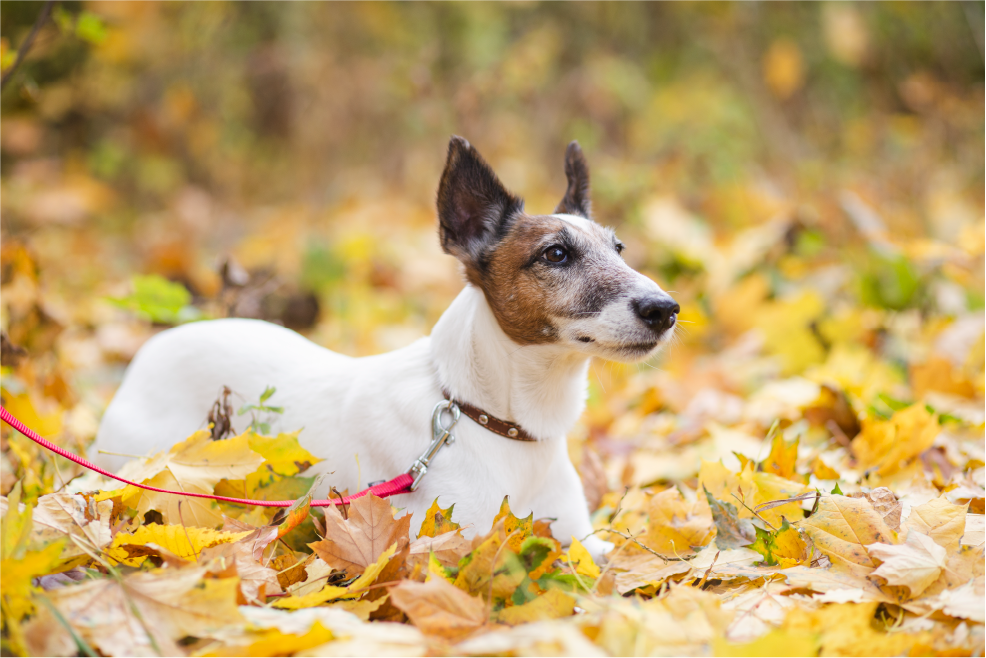
🐕 Coat: Can be smooth, coarse, or wiry, predominantly white with black or brown markings

How long does a Jack Russell Terrier live?

Jack Russell Terrier

The average life expectancy of a Jack Russell Terrier ranges from 13 to 16 years, and the breed is often cited as one of the healthiest and longest-lived in the world.

As a hardy working dog, it has few fatal genetic disorders, but its longevity requires a very active lifestyle.

Jack Russells do not handle a sedentary lifestyle well, which can lead to obesity and behavioral problems.

The secret to his long life lies in striking a balance between intense physical activity and regular check-ups for his eyesight and joints, ensuring that his natural agility isn’t compromised prematurely.

Jack Russell Terrier

Check your dog's aging curve

Want to know how to improve your dog's quality of life as they age?

PetMoretime specializes in veterinary gerontology and offers a personalized longevity program for your dog.

WhatsApp

Common Health Issues in Jack Russell Terriers

Age-related health issues in Jack Russell Terriers

Signs of Aging in the Jack Russell Terrier

Jack Russell Terrier
Hesitation when jumping or running: Jack Russells are known for their jumping; avoiding jumping on the couch or running after a ball may indicate pain in the kneecap or osteoarthritis.
Bumping into furniture or tripping: Signs of vision loss caused by PRA, which is usually progressive and asymptomatic at first.
Disorientation or barking at nothing: Symptoms of canine Alzheimer's (cognitive dysfunction), affecting memory and the recognition of routines.
Ignoring calls or verbal commands: Progressive hearing loss is common in older dogs, requiring the owner to supplement training with visual cues.
Change in eye color: A bluish or cloudy appearance may develop, affecting this natural hunter’s visual acuity.
Decrease in muscle mass: As dogs age, their legs may appear thinner and they may seem less physically "powerful."

Most of these diseases begin silently.

PetMoretime can track and prevent diseases before they appear through continuous monitoring.

WhatsApp

Behavior of the Jack Russell Terrier

Sociability
Trainability
Energy level
Motivation for food

Lifetime cost

In addition to the initial investment, it is important to consider:

Quality food
Veterinary consultations
Vaccinations and tests
Possible orthopedic or cardiac treatments

How to Increase the Life Expectancy of a Jack Russell Terrier

To increase the life expectancy of Jack Russell Terriers, daily physical and mental stimulation is essential to prevent stress and maintain strong muscles. Strict weight control protects the kneecaps and minimizes osteoarthritis in old age. Regular eye exams are vital for monitoring progressive retinal atrophy. 

Finally, since this is a dog that lives life in the fast lane, providing a safe environment and constant mental stimulation helps slow the progression of canine Alzheimer’s, preserving their intelligence for many, many years.

dogs

Longevity does not depend solely on genetics.

It can be monitored.

Learn how PetMoreTime monitors markers that indicate accelerated aging.

WhatsApp