Great Dane: Life Expectancy and How to Extend Their Lifespan

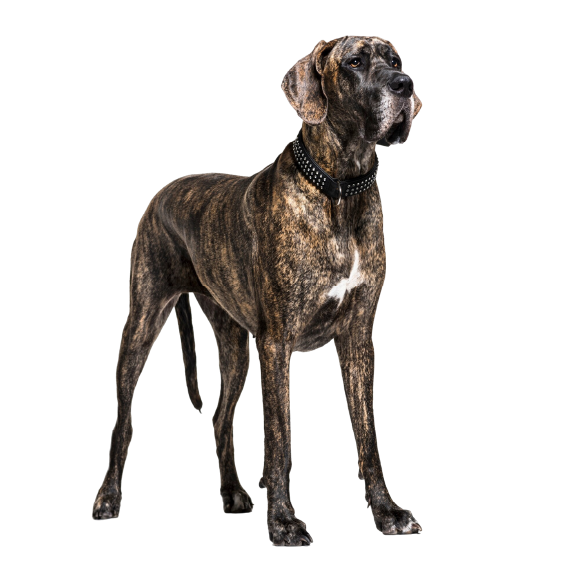
The Great Dane, affectionately known as the “Apollo of Dogs,” is one of the largest dog breeds in the world. Combining a massive stature with unparalleled elegance, it strikes the perfect balance between power and gentleness. Despite its intimidating size, it has a gentle nature and is an extremely affectionate dog that is devoted to its family.

Characteristics of the Great Dane

🐕 Size: Giant
🐕 Average weight: 45 kg to 90 kg
🐕 Height: 71 cm to 86 cm at the withers
🐕 Genetic predispositions: Gastric torsion, heart disease, and joint dysplasia
🐕 Body structure: Robust, muscular, and aristocratic, with long, harmonious lines
🐕 Coat: Short, dense, smooth, and shiny, in colors such as golden, brindle, harlequin, black, or blue

How long does a Great Dane live?

Great Dane

The average life expectancy of a Great Dane ranges from 7 to 10 years.

Unfortunately, due to their large size and fast metabolism during growth, this breed has a shorter lifespan than smaller dogs.

Cardiovascular response and joint health are the most critical factors.

Maintaining a strict nutritional regimen to prevent weight gain and undergoing preventive cardiac screenings are vital strategies for ensuring that this “gentle giant” enjoys a high quality of life well into old age.

Great Dane

Check your dog's aging curve

Want to know how to improve your dog's quality of life as they age?

PetMoretime specializes in veterinary gerontology and offers a personalized longevity program for your dog.

WhatsApp

Signs of Aging in Great Danes

Great Dane
Extreme difficulty getting out of bed: The heavy weight exacerbates the pain caused by osteoarthritis and dysplasia, making getting up in the morning a challenge.
Quick fatigue and a purplish tongue: Signs that the heart (CHD) may no longer be pumping blood efficiently.
Spatial disorientation: Getting "stuck" in corners or staring into space are signs of cognitive impairment.
Development of lumps and nodules: Due to the strain on the joints and a predisposition to cancer, any new mass should be investigated.
Gray muzzle and eyebrows: Visual aging begins early, often appearing as early as age 5 or 6.
Lack of response to commands: Progressive hearing loss is common in older dogs of this breed.

Most of these diseases begin silently.

PetMoretime can track and prevent diseases before they appear through continuous monitoring.

WhatsApp

Behavior of the Great Dane

Sociability
Trainability
Energy level
Motivation for food

Lifetime cost

In addition to the initial investment, it is important to consider:

Quality food
Veterinary consultations
Vaccinations and tests
Possible orthopedic or cardiac treatments

How to Increase the Life Expectancy of a Great Dane

To increase the life expectancy of Great Danes, weight management is the number one determining factor, as it reduces the strain on their spine and hip joints.

Due to the high risk of gastric torsion, the use of elevated feeders and the division of meals into smaller portions are mandatory practices.

Semi-annual cardiac check-ups enable the early diagnosis of CMD, while supplementation with chondroprotective agents helps slow the progression of osteoarthritis.

But remember that supplements or nutraceuticals should only be used under the supervision of a veterinarian.

Finally, providing soft surfaces for resting helps prevent calluses and preserves the bone structure of this giant over the years.

dogs

Longevity does not depend solely on genetics.

It can be monitored.

Learn how PetMoreTime monitors markers that indicate accelerated aging.

WhatsApp