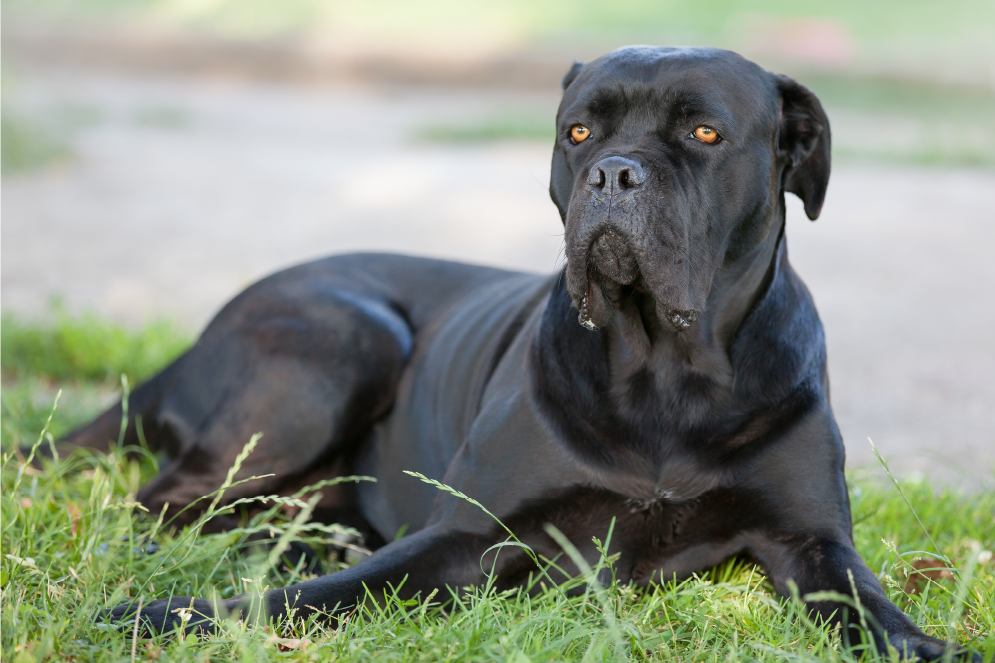
Cane Corso: Life Expectancy and How to Extend Their Lifespan

The Cane Corso is an imposing breed of Italian origin, descended from the ancient Roman Molossers. Historically used as a guard dog, for hunting large game, and as a war dog, it combines extraordinary physical strength with a balanced, reserved temperament and is extremely loyal to its family

Characteristics of the Cane Corso

🐕 Size: Large to Giant
🐕 Average weight: 40 kg to 50 kg
🐕 Height: 60 cm to 68 cm at the withers
🐕 Genetic predispositions: Joint dysplasia, gastric torsion, and cardiac sensitivity
🐕 Body structure: Muscular, sturdy, and athletic, with a broad chest and powerful jaw
🐕 Coat: Short, shiny, and dense, with a light undercoat that thickens in winter

How long does a Cane Corso live?

Cane Corso

The average life expectancy of a Cane Corso ranges from 9 to 12 years.

Because they are large dogs with a faster metabolism than small dogs, their senior years require early care.

The breed's longevity is closely linked to the preservation of joint health and cardiovascular health.

Maintaining the animal’s ideal body condition is the most critical factor in preventing excess weight from exacerbating dysplasia or spondylosis, which can severely compromise mobility and quality of life in the later years.

Cane Corso

Check your dog's aging curve

Want to know how to improve your dog's quality of life as they age?

PetMoretime specializes in veterinary gerontology and offers a personalized longevity program for your dog.

WhatsApp

Signs of Aging in the Cane Corso

Severe difficulty getting up: Stiffness after resting is a classic sign of osteoarthritis or dysplasia exacerbated by age.
Exercise intolerance and fatigue: These may indicate the onset of heart disease (CMD), which is common in older mastiffs.
A blank stare or disorientation: Signs of cognitive impairment, such as standing still in corners or forgetting household routines.
Development of lumps or calluses: Due to weight and age, the development of skin nodules (neoplasms) or pressure calluses should be monitored.
Reduced response to auditory stimuli: The dog may seem less responsive to commands, which usually indicates progressive hearing loss.
Gray muzzle and face: The graying of the fur around the mouth and eyes becomes noticeable starting at 7 or 8 years of age.

Most of these diseases begin silently.

PetMoretime can track and prevent diseases before they appear through continuous monitoring.

WhatsApp

Behavior of the Cane Corso

Sociability
Trainability
Energy level
Motivation for food

Lifetime cost

In addition to the initial investment, it is important to consider:

Quality food
Veterinary consultations
Vaccinations and tests
Possible orthopedic or cardiac treatments

How to Increase the Life Expectancy of a Cane Corso

To increase the Cane Corso’s life expectancy, strict control of diet and weight is essential to protect the spine and hip joints.

The use of chondroprotectants and omega-3 supplements may be recommended starting in early adulthood. However, keep in mind that the use of supplements or nutraceuticals should be done under the supervision of a veterinarian.

Annual cardiac check-ups with echocardiograms enable the early diagnosis of HCM.

In addition, cancer monitoring through imaging tests and regular cognitive stimulation helps keep dogs physically and mentally active for longer as they age.

dogs

Longevity does not depend solely on genetics.

It can be monitored.

Learn how PetMoreTime monitors markers that indicate accelerated aging.

WhatsApp