Border Collie: Life Expectancy and How to Extend Their Lifespan

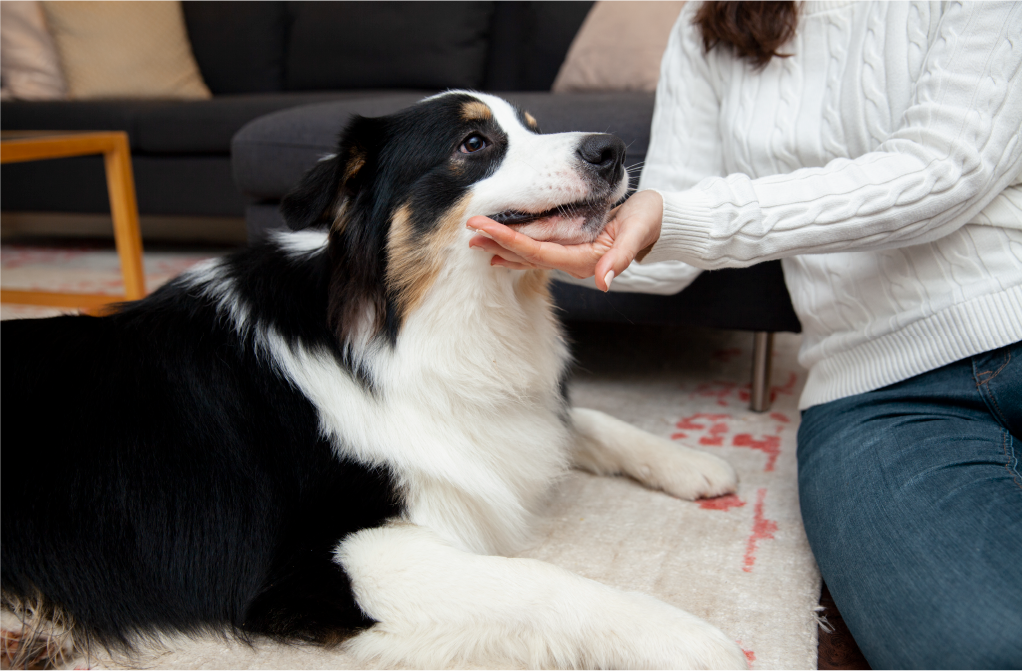
The Border Collie is widely recognized as the most intelligent dog breed in the world. Originating from the border region between Scotland and England, this herding dog is known for its tireless work ethic, impressive agility, and a capacity for learning that requires constant stimulation to maintain physical and mental balance.

Characteristics of the Border Collie

🐕 Size: Medium
🐕 Average weight: 12 kg to 20 kg
🐕 Height: 46 cm to 56 cm at the withers
🐕 Genetic predispositions: Dysplasias, eye abnormalities, and degenerative neurological disorders
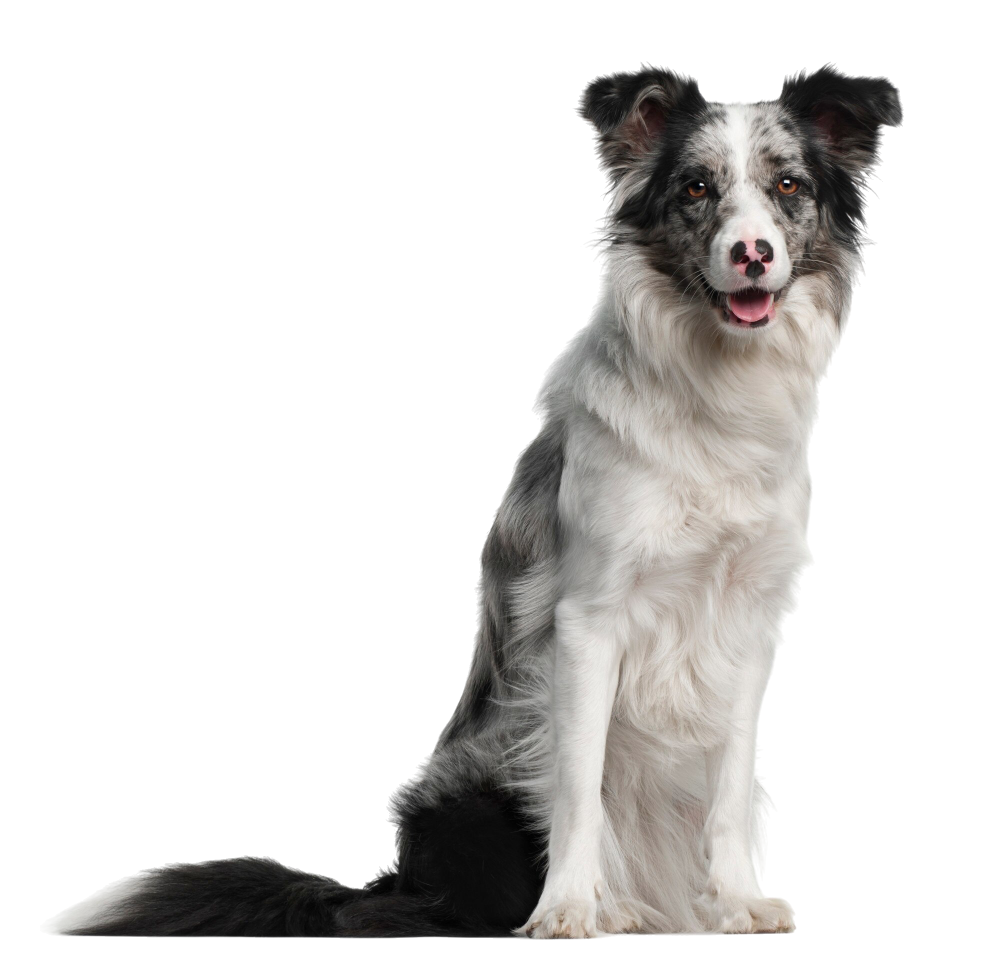
🐕 Body structure: Athletic, well-proportioned, and muscular, providing endurance for long periods of activity
🐕 Coat: Can be moderately long or short, with a dense undercoat that is resistant to weather changes

How long does a Border Collie live?

Border Collie

The average life expectancy of a Border Collie ranges from 12 to 15 years.

Because this is an extremely active dog, its longevity depends on maintaining joint health and managing physical wear and tear over the years.

Maintaining an ideal body weight is vital to prevent excess weight from accelerating the progression of dysplasia or osteoarthritis.

In addition, because they have very active minds, age-related cognitive decline can have an early impact on their quality of life if their environment is not properly managed during old age.

Border Collie

Check your dog's aging curve

Want to know how to improve your dog's quality of life as they age?

PetMoretime specializes in veterinary gerontology and offers a personalized longevity program for your dog.

WhatsApp

Common Health Issues in Border Collies

Age-Related Diseases in Border Collies

Signs of Aging in Border Collies

Border Collie
Reluctance to jump or run: An animal that was once tireless now avoids sudden movements due to the discomfort caused by osteoarthritis or hip dysplasia.
Disorientation and sleep disturbances: Signs of canine Alzheimer’s, such as staring blankly at walls or confusing day and night, become noticeable.
Loss of coordination in the hind limbs: Progressive weakness or dragging of the legs may indicate the onset of degenerative myelopathy.
Blue-colored eyes: The loss of visual acuity caused by age-related cataracts impairs a dog’s ability to perceive visual stimuli.
Reduced response to verbal commands: The dog may seem "disobedient," but this is often simply a sign of progressive hearing loss.
White patches on the face: The pronounced whitening around the muzzle and eyes is a clear visual sign of advancing age.

Most of these diseases begin silently.

PetMoretime can track and prevent diseases before they appear through continuous monitoring.

WhatsApp

Border Collie Behavior

Sociability
Trainability
Energy level
Motivation for food

Lifetime cost

In addition to the initial investment, it is important to consider:

Quality food
Veterinary consultations
Vaccinations and tests
Possible orthopedic or cardiac treatments

How to Increase a Border Collie's Life Expectancy

To increase the life expectancy of Border Collies, it is essential to balance their high activity levels with joint protection by starting chondroprotective supplements early on.

Keeping your dog mentally active through scent games and environmental enrichment helps slow the progression of canine Alzheimer's.

Regular orthopedic and neurological checkups are essential for monitoring the progression of dysplasia and degenerative myelopathy.

Finally, strict weight control prevents metabolic stress and joint strain, ensuring that the animal remains mobile and active for longer.

dogs

Longevity does not depend solely on genetics.

It can be monitored.

Learn how PetMoreTime monitors markers that indicate accelerated aging.

WhatsApp