Bedlington Terrier: Life Expectancy and How to Extend Their Lifespan

The Bedlington Terrier is undoubtedly the “wolf in sheep’s clothing” of the canine world.

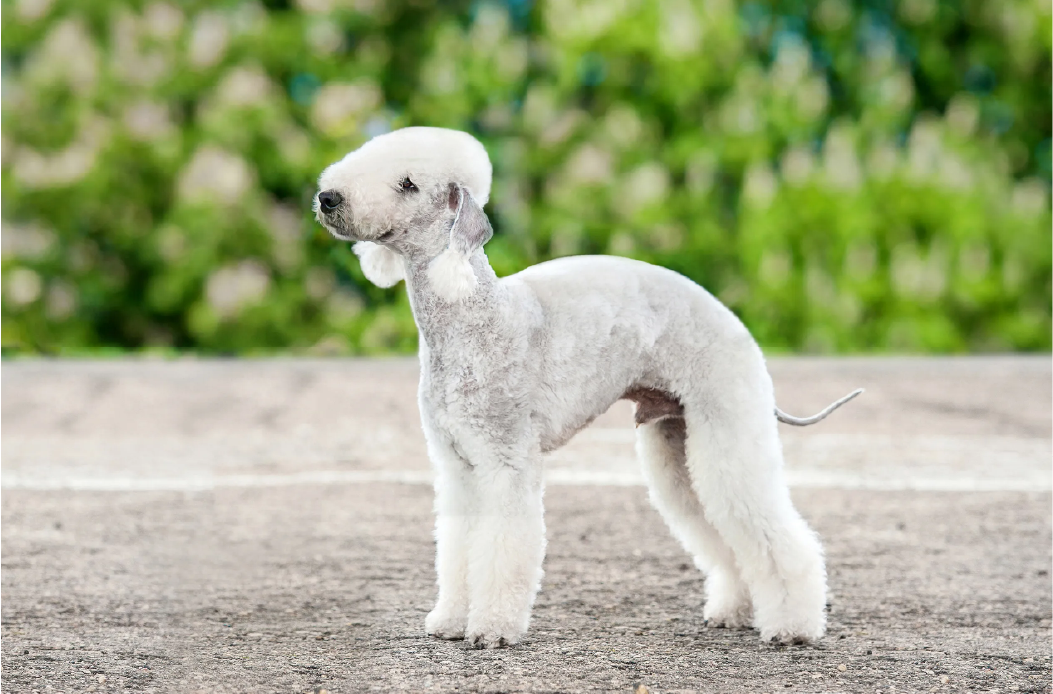
Originating from the mining regions of northern England, this graceful-looking dog with a coat resembling that of a lamb hides a brave heart and the surprising agility of a greyhound.

He is a loyal, intelligent, and very docile companion at home, yet he retains the tenacity and energy typical of a terrier.

Characteristics of the Bedlington Terrier

🐕 Size: Small to Medium
🐕 Average weight: 8 kg to 10 kg
🐕 Height: 38 cm to 44 cm at the withers
🐕 Genetic predispositions: Copper toxicity, kidney problems, and retinal dysplasia
🐕 Body structure: Arched back, pear-shaped head, long limbs, and the agility of a runner
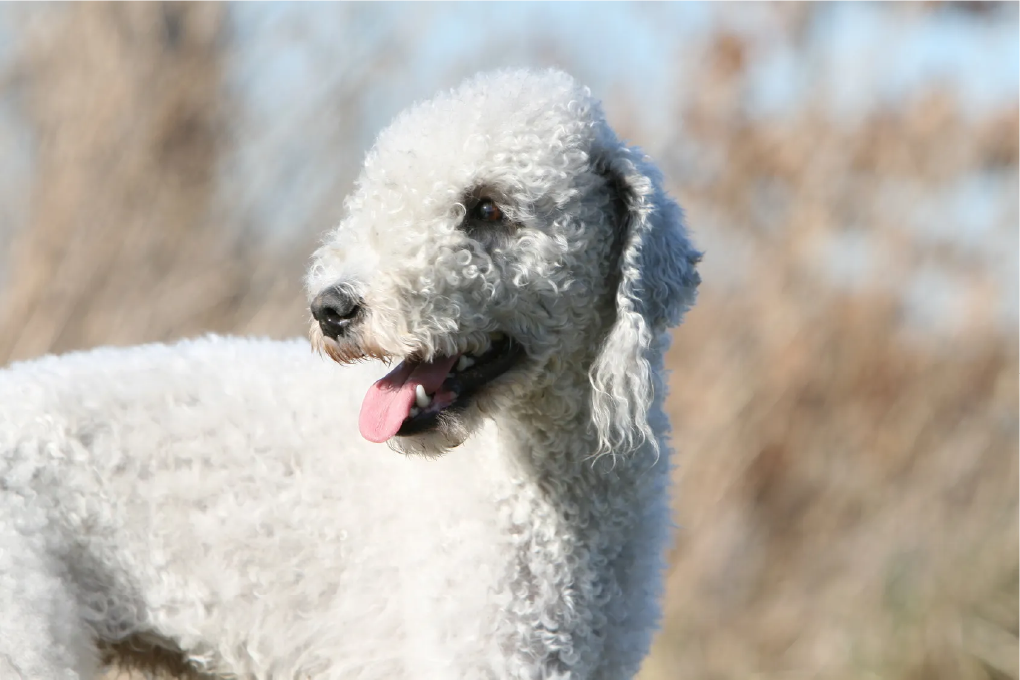
🐕 Coat: "Linen"-like texture, curly and soft, in shades of blue, liver, or sandy

How long does a Bedlington Terrier live?

Bedlington Terrier

The average life expectancy of a Bedlington Terrier ranges from 11 to 16 years, making it one of the longest-lived breeds of its size.

However, their long-term health depends critically on a genetic factor: copper toxicity.

This condition prevents the liver from processing copper properly and can lead to liver failure if left unmonitored.

If this issue is addressed early on through DNA testing and a specific diet, Bedlingtons typically age with great vitality, remaining active and playful well into old age.

Bedlington Terrier

Check your dog's aging curve

Want to know how to improve your dog's quality of life as they age?

PetMoretime specializes in veterinary gerontology and offers a personalized longevity program for your dog.

WhatsApp

Common Health Issues in Bedlington Terriers

Age-related health issues in the Bedlington Terrier

Signs of Aging in the Bedlington Terrier

Bedlington Terrier
Lethargy or jaundice (yellowing of the skin): Signs that the liver may be overloaded with copper, which is vital to monitor in senior dogs.
Cloudy or whitish eyes: This indicates the development of age-related cataracts, which impair the animal’s vision and ability to navigate.
Disorientation and behavioral changes: Signs of canine Alzheimer’s, such as standing still in corners or barking into space for no apparent reason.
Appearance of lumps during grooming: Due to the dog’s thick coat, it is essential to palpate the dog’s body to detect tumors early.
Lack of response to whistles or calls: Progressive hearing loss is common in older dogs, making them seem more "distracted."
Difficulty maintaining a healthy weight: Metabolic changes that occur with aging may require dietary adjustments to prevent obesity.

Most of these diseases begin silently.

PetMoretime can track and prevent diseases before they appear through continuous monitoring.

WhatsApp

Behavior of the Bedlington Terrier

Sociability
Trainability
Energy level
Motivation for food

Lifetime cost

In addition to the initial investment, it is important to consider:

Quality food
Veterinary consultations
Vaccinations and tests
Possible orthopedic or cardiac treatments

How to Increase the Life Expectancy of a Bedlington Terrier

To increase the life expectancy of Bedlington Terriers, DNA testing for copper toxicosis should be performed as soon as possible to guide dietary management.

Semi-annual check-ups that include liver and kidney function tests are essential for older adults.

Maintaining a routine of moderate exercise and good oral hygiene helps prevent systemic infections, while environmental enrichment protects the brain against canine Alzheimer's disease

dogs

Longevity does not depend solely on genetics.

It can be monitored.

Learn how PetMoreTime monitors markers that indicate accelerated aging.

WhatsApp