American Staffordshire Terrier: Life Expectancy and How to Extend Their Lifespan

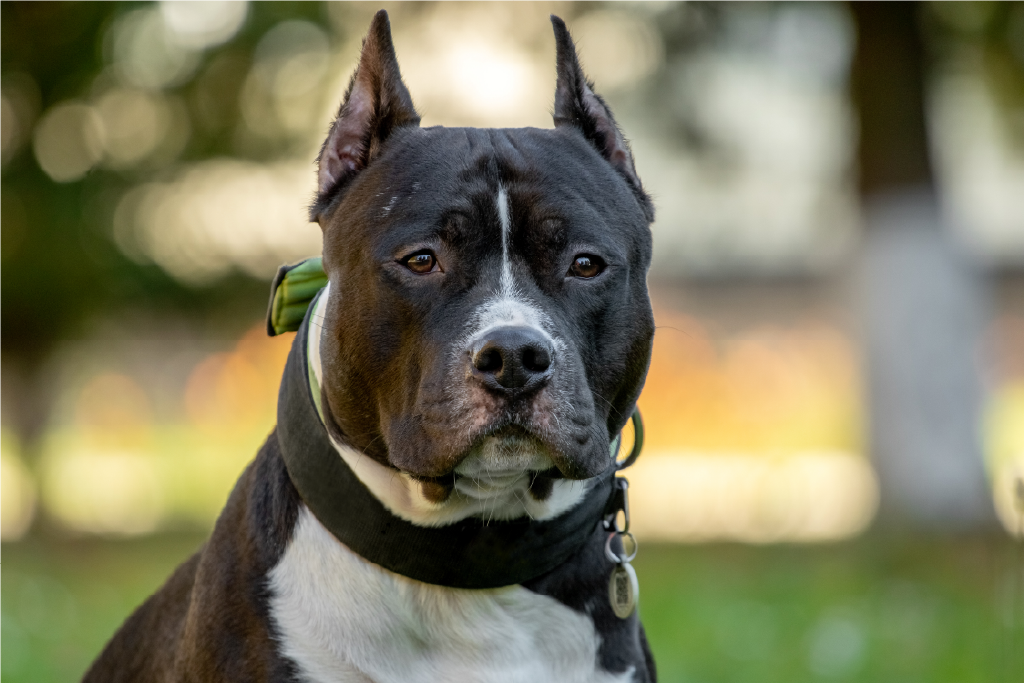
The American Staffordshire Terrier, commonly known as the AmStaff, is a breed that combines impressive physical strength with an extremely gentle nature and a deep devotion to the family.

Originating in the United States, this athletic dog is renowned for its courage and intelligence, making it a versatile companion that excels both in sports and as a protector and loyal friend at home.

Characteristics of the American Staffordshire Terrier

🐕 Size: Medium
🐕 Average weight: 18 kg to 32 kg
🐕 Height: 43 cm to 48 cm at the withers
🐕 Genetic predispositions: Hereditary cerebellar ataxia, dysplasias, and skin sensitivity
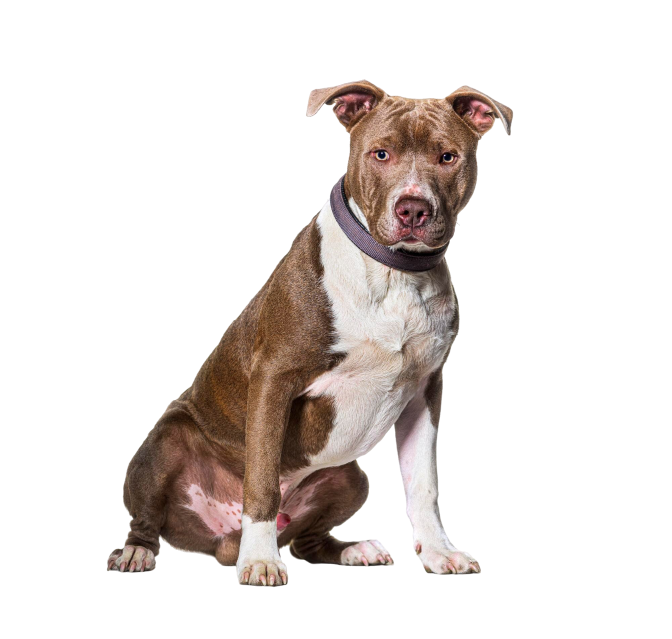
🐕 Body structure: Muscular, solid, and agile, with a broad, deep chest and powerful jaws
🐕 Coat: Short, dense, shiny, and stiff to the touch, and may come in various colors and markings

How long does an American Staffordshire Terrier live?

American staff

The average life expectancy of an American Staffordshire Terrier ranges from 12 to 16 years.

Considered one of the healthiest and hardiest dogs of its size, its longevity is directly linked to maintaining an active lifestyle and strict management of specific genetic conditions.

This breed’s immune response makes it prone to skin allergies, which require ongoing management. Additionally, because it is a heavily muscled dog, joint health and weight control are vital to prevent bone wear from reducing its mobility in its senior years.

American staff

Check your dog's aging curve

Want to know how to improve your dog's quality of life as they age?

PetMoretime specializes in veterinary gerontology and offers a personalized longevity program for your dog.

WhatsApp

Common Health Issues in American Staffordshire Terriers

Age-related health issues in the American Staffordshire Terrier

Signs of Aging in the American Staffordshire Terrier

American staff
Poor coordination or loss of balance: Difficulty walking in a straight line or tremors may indicate the progression of cerebellar ataxia or age-related neurological problems.
Slowness when getting up and stiffness: Classic signs of osteoarthritis or hip dysplasia that make the first movements of the day more painful.
Intense itching and redness of the skin: Atopic dermatitis can become more severe in old age, requiring extra attention to hygiene and diet.
Nighttime disorientation and staring: Behavioral changes that suggest the onset of cognitive dysfunction (canine Alzheimer's).
Lack of response to auditory stimuli: Progressive hearing loss is common, causing the dog to appear less alert or distracted.
The appearance of calluses and gray hairs: The muzzle and paws begin to show clear visible signs of aging starting at age 8.

Most of these diseases begin silently.

PetMoretime can track and prevent diseases before they appear through continuous monitoring.

WhatsApp

Behavior of the American Staffordshire Terrier

Sociability
Trainability
Energy level
Motivation for food

Lifetime cost

In addition to the initial investment, it is important to consider:

Quality food
Veterinary consultations
Vaccinations and tests
Possible orthopedic or cardiac treatments

How to Increase the Life Expectancy of an American Staffordshire Terrier

To increase the life expectancy of the American Staffordshire Terrier, the focus should be on strict weight control to protect the spine and hip joints from osteoarthritis.

It is essential to undergo preventive genetic testing for cerebellar ataxia and to have checkups every six months as the dog ages.

Providing moderate exercise, hypoallergenic diets, and regular mental stimulation helps slow the progression of canine Alzheimer’s disease and hearing loss, ensuring that AmStaffs live vigorously for many years.

dogs

Longevity does not depend solely on genetics.

It can be monitored.

Learn how PetMoreTime monitors markers that indicate accelerated aging.

WhatsApp