Akita: Life expectancy and how to increase longevity

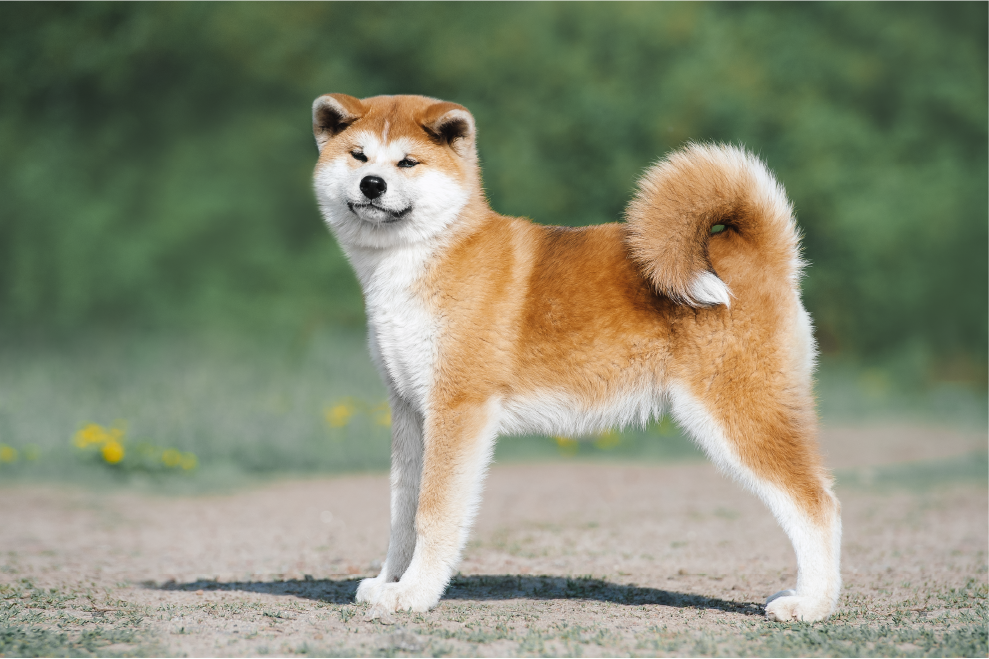
The Akita is a breed of Japanese origin, revered in its homeland as a symbol of health, happiness, and longevity. Known worldwide for the story of Hachiko, this large dog combines a wolf-like, majestic appearance with a dignified, reserved temperament and unwavering loyalty to its owners.

Characteristics of the Akita

🐕 Size: Large
🐕 Average weight: 32 kg to 59 kg
🐕 Height: 61 cm to 71 cm at the withers
🐕 Genetic predispositions: Joint dysplasia, autoimmune diseases (such as sebaceous adenitis), and cardiac sensitivity
🐕 Body structure: Robust, powerful, and well-balanced, with a characteristic tail curled over the back
🐕 Coat: Double-coated, with a dense, soft undercoat and a straight, coarse outer coat

How long does an Akita live?

Akita

The average life expectancy of an Akita ranges from 10 to 12 years.

Because this breed has a heavy bone structure and an imposing build, longevity is directly linked to maintaining mobility and managing chronic inflammatory conditions.

This breed’s metabolic response requires close monitoring of body weight, as being overweight is the main contributing factor to spinal and heart problems.

Preventive care, focused on the early detection of tumors and heart conditions, is the key to ensuring that this noble guardian reaches old age in good health.

Akita

Check your dog's aging curve

Want to know how to improve your dog's quality of life as they age?

PetMoretime specializes in veterinary gerontology and offers a personalized longevity program for your dog.

WhatsApp

Signs of Aging in Akitas

Akita
Difficulty standing up or climbing stairs: Morning stiffness is a classic sign that osteoarthritis or dysplasia is affecting quality of life.
Excessive fatigue after light walks: This may indicate that the heart (CMD) is becoming less efficient, requiring a cardiological evaluation.
A vacant stare or disorientation: Standing motionless in front of doors or failing to recognize familiar commands are symptoms of cognitive decline (Alzheimer's).
Appearance of lumps under the skin: The appearance of new lumps should be investigated promptly due to the breed’s predisposition to neoplasms.
Reduced response to auditory stimuli: Older Akitas may seem more "distant," but this is often simply a result of progressive hearing loss.
Noticeable graying of the face: The hair around the muzzle and eyes turns noticeably gray with age.

Most of these diseases begin silently.

PetMoretime can track and prevent diseases before they appear through continuous monitoring.

WhatsApp

Akita Behavior

Sociability
Trainability
Energy level
Motivation for food

Lifetime cost

In addition to the initial investment, it is important to consider:

Quality food
Veterinary consultations
Vaccinations and tests
Possible orthopedic or cardiac treatments

How to Increase an Akita's Life Expectancy

To increase the Akita’s life expectancy, the focus should be on maintaining bone and muscle structure, ensuring the dog is kept strictly at its ideal weight to prevent the worsening of dysplasia and spondylosis.

Semiannual check-ups that include imaging and cardiology tests are essential for detecting tumors or congenital heart defects in their early stages.

Supplementation with chondroprotective agents and omega-3 may help slow the progression of osteoarthritis.

But remember that supplements or nutraceuticals should only be used under the supervision of a veterinarian.

In addition, providing mental stimulation and maintaining a routine of moderate exercise helps combat cognitive decline and hearing loss, preserving this Japanese dog’s dignity and health for many years to come.

dogs

Longevity does not depend solely on genetics.

It can be monitored.

Learn how PetMoreTime monitors markers that indicate accelerated aging.

WhatsApp