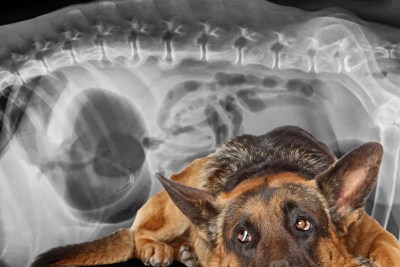
Living with our dogs is so special that the time we spend together often seems too short. A dog's life expectancy, which can vary from 8 to 15 years depending on size, breed and other factors, often prompts a common question among guardians: is it possible to extend dogs' lives?
Read more: What is epigenetics?
This issue, once limited to basic care, has gained new perspectives thanks to advances in science. Researchers and companies around the world - including innovative initiatives in Brazil - are showing that it is possible to extend dogs' lives, not only by increasing the number of years they live, but also by ensuring greater health and well-being during this period.
Canine ageing: what do we know so far?
Ageing is the main risk factor for chronic diseases in dogs. Just as in humans, it is associated with a series of biological changes, such as persistent inflammation (inflammaging) and a decreased capacity for cell regeneration. These changes are directly linked to conditions such as osteoarthritis, kidney failure, heart disease and even some types of cancer.
But, contrary to what was thought in the past, getting older doesn't have to be synonymous with inevitable decline. Studies in geroscience - an area that investigates how to slow down ageing - have shown that it is possible to act directly on cellular processes to reduce the impact of time on the body.
One of the main focuses is to attack the so-called "markers of ageing", such as the accumulation of senescent cells (old cells that lose function but remain inflammatory) and the decrease in mitochondrial functionality, which impairs energy production.
Innovative solutions for canine longevity
The advances are not just in laboratories. Biotechnology companies around the world are already beginning to apply the knowledge of geroscience to practical solutions for dogs. In Brazil, an innovative initiative is gaining prominence: the combination of science, technology and personalization to develop protocols that seek to slow down the ageing process. This is PetMoreTimewhose protocols generally involve:
- Nutraceuticals and personalized drugs: Supplements and drugs adapted to the pet's individual needs, with a focus on fighting inflammation, improving cell function and increasing resilience to ageing.
- Epigenetic tests: Tests that identify how aging is progressing at a molecular level, allowing for precise adjustments in therapies.
- Wearable technology: Smart collars that monitor biometric data such as heart rate, sleep patterns and activity levels, providing valuable information for health monitoring.
These tools not only increase dogs' life expectancy, but also help to reduce the impact of diseases associated with ageing, promoting a better quality of life.